

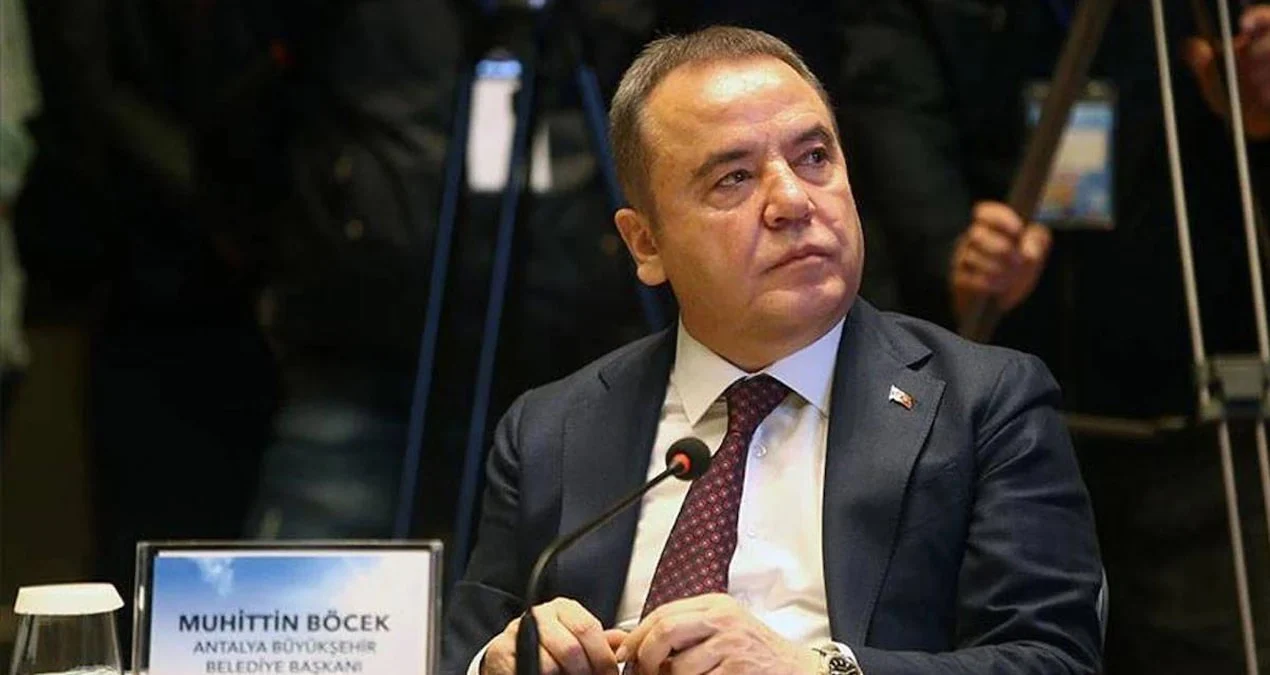

The health condition of Antalya Metropolitan Municipality Mayor Muhittin Böcek has prompted urgent medical attention following a series of chronic health issues. The 63-year-old politician, currently incarcerated, was hospitalized due to what his legal team describes as serious health problems that threaten his life. This development has ignited discussions about the humanitarian implications of his continued detention amid deteriorating health.
| Article Subheadings |
|---|
| 1) Overview of Muhittin Böcek’s Hospitalization |
| 2) Circumstances Surrounding His Healthcare Needs |
| 3) Implications of Continued Detention |
| 4) Reactions from Legal Representatives |
| 5) The Role of the Justice System in Health Concerns |
Overview of Muhittin Böcek’s Hospitalization
On the evening of [date], it was announced that Muhittin Böcek, the mayor of Antalya and a notable figure in Turkish politics, was urgently taken to a medical facility due to acute health complications. His hospitalization follows a troubling trajectory of chronic illnesses that have significantly impacted his well-being. According to reports from various sources, Böcek has been managing several serious health issues, necessitating the daily intake of 22 different medications. Conditions affecting his health could potentially lead to life-threatening situations without swift medical intervention, which raises red flags regarding his ongoing incarceration.
Circumstances Surrounding His Healthcare Needs
As detailed by his lawyers, the hospital visit was prompted by deteriorating health, linked to a history of chronic illnesses that have exacerbated over time. His situation had been critical enough to warrant his admission to intensive care during the COVID-19 pandemic, which left residual damage to his health. The continuous stress of being imprisoned alongside severe health concerns has created an alarming scenario: Böcek’s health is now classified as high-risk, with recent complications leading to fears of irreversible damage.
It is reported that despite these known medical issues, there was an absence of clarity regarding the precise nature of his emergency hospitalization. Health officials at Antalya City Hospital have yet to provide specific details, which has led to mounting anxiety among his supporters and family. As uncertainty looms over his medical condition, the public and the media are awaiting further updates that could shed light on what led to this urgent care scenario.
Implications of Continued Detention
The continuous detention of Muhittin Böcek raises pressing questions about human rights and the conditions within the Turkish penal system. His legal team emphasizes that arrest should only be viewed as a last resort, especially for individuals grappling with serious health concerns. Retaining someone with profound health issues in a detention center poses significant risks to their right to life and well-being.
Many advocates for justice argue that the current measures do not reflect the legal standards that prioritize human life. They assert that Böcek’s case exemplifies how the justice system must take humanitarian factors into account, especially when health issues are paramount. The call is strong among the public for his release, advocating for alternatives such as judicial control instead of imprisonment. This situation portrays a critical decision point for the judicial authorities as they navigate the intersection of legal obligations and ethical responsibilities.
Reactions from Legal Representatives
The statements released by Muhittin Böcek’s legal representatives reveal a deep concern for his ongoing health decline while incarcerated. The lawyers contend that the health risks associated with his detention are substantial, urging that the measures should be critically evaluated under a humanitarian lens. The assertion is that prioritizing life is fundamental, and they are actively seeking a judicial review that could lead to his release or at least modification of the terms of his detention.
One lawyer stated,
“Human life comes before everything else, and the necessary arrangements will be made in this regard as a requirement of justice.”
This encapsulates the lawyers’ hope and faith in the judicial system to make a fair decision that prioritizes health and well-being over punitive measures. The plea extends beyond just this single case; it raises systemic questions about the treatment of prisoners with medical conditions within the prison system.
The Role of the Justice System in Health Concerns
The unfolding health crisis surrounding Muhittin Böcek reflects broader systemic issues within Turkey’s judicial system, particularly concerning the treatment of individuals who require urgent medical care. Calls for reform are amplified, emphasizing that mechanisms should be in place to evaluate cases where health conditions may warrant special consideration. As public discourse unfolds regarding this case, legal practitioners and reform advocates are using Böcek’s situation as a catalyst for discussions about the ethical implications of detaining those with serious health concerns.
The discussion brings to light critical ethical dilemmas: How far should the justice system go to accommodate the health needs of inmates? What protocols should exist to ensure that health risks are adequately assessed before punitive measures are applied? These discussions are not just academic; they have real-life implications for individuals like Böcek, who could potentially suffer irreversible consequences if their conditions are not treated with the urgency they require. The outcome of today’s decisions will resonate far beyond this single case, potentially influencing future policies regarding health care within the prison system.
| No. | Key Points |
|---|---|
| 1 | Muhittin Böcek has been hospitalized due to serious health problems. |
| 2 | He has multiple chronic diseases requiring 22 medications daily. |
| 3 | Continuing detention is viewed as a significant risk to his life. |
| 4 | Legal representatives are pushing for a review of the detention decision. |
| 5 | Broader discussions on health care needs in the penitentiary system are being highlighted. |
Summary
The hospitalization of Muhittin Böcek highlights urgent and pressing issues related to the treatment and health care of individuals within the prison system. As he battles serious health complications, the implications of his continued detention raise significant ethical concerns regarding human rights and legal standards in Turkey. As discussions evolve, the outcomes may catalyze necessary reforms aimed at protecting the health and lives of detainees, particularly those suffering from chronic health conditions.
Frequently Asked Questions
Question: Why was Muhittin Böcek hospitalized?
Muhittin Böcek was hospitalized due to serious health complications linked to his chronic illnesses, which require him to take numerous medications daily.
Question: What are the legal arguments regarding his detention?
Legal representatives argue that Böcek’s continued detention poses significant risks to his health and life, advocating for his release or modification of the detention conditions based on humanitarian grounds.
Question: How has the public reacted to Böcek’s hospitalization?
The public has expressed concern about Böcek’s health and the implications of his continued detention. Many advocate for alternatives to imprisonment, emphasizing the need for humane treatment of those with serious health issues.
