

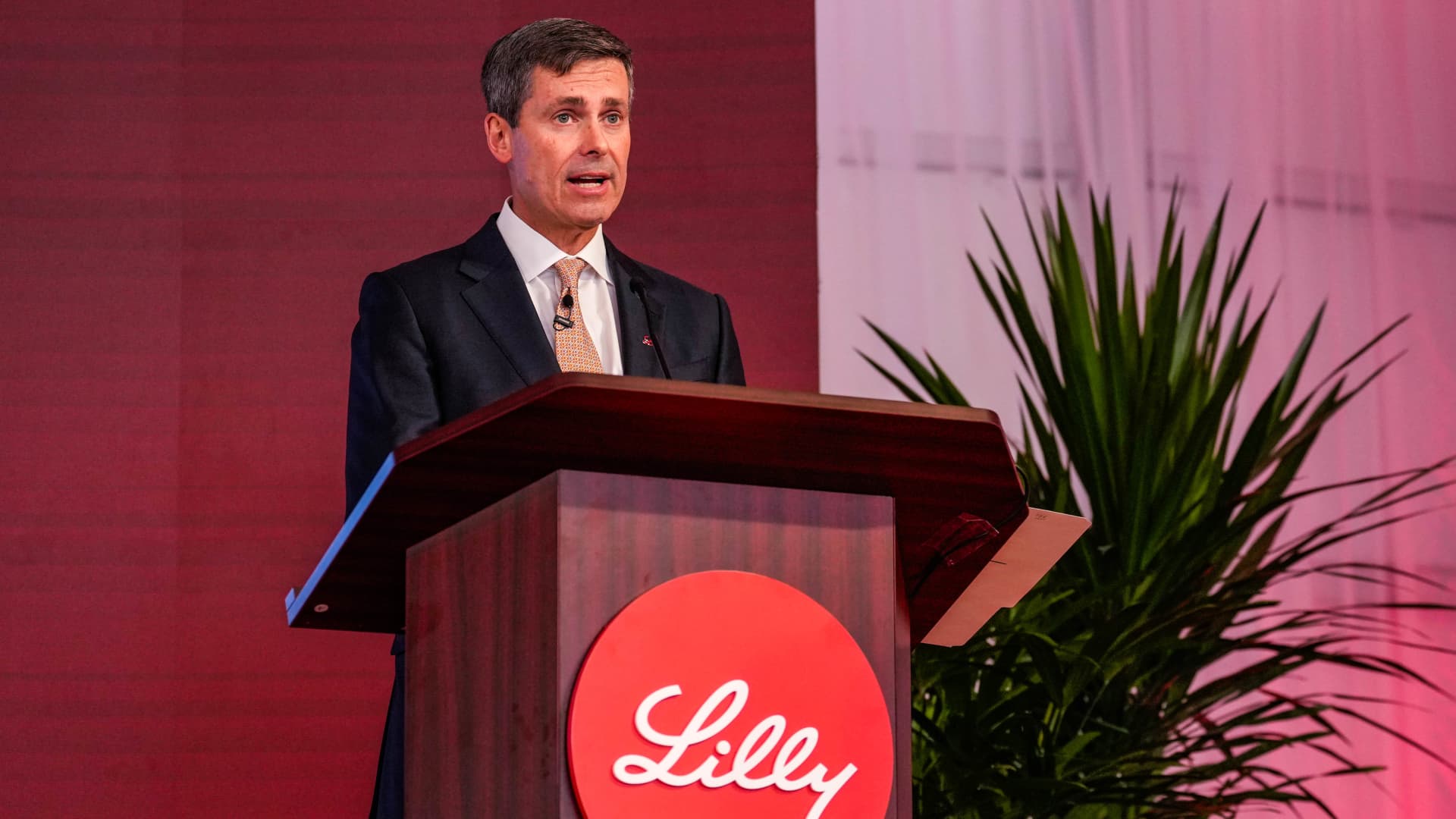

Eli Lilly, the pharmaceutical giant, has revealed plans to invest $6 billion in a new biomanufacturing plant located in Huntsville, Alabama. This investment marks a significant expansion for the company, which aims to boost production of its innovative obesity treatment and other medications. Construction is set to commence in 2026, with completion anticipated in 2032. This strategic move underscores Eli Lilly’s commitment to enhancing domestic production capacities amidst rising demands in the pharmaceutical industry.
| Article Subheadings |
|---|
| 1) Overview of Eli Lilly’s New Investment |
| 2) Significance of the Huntsville Plant |
| 3) Impact on Job Creation and Local Economy |
| 4) Challenges in Production and Supply Chains |
| 5) Future Projections and Market Considerations |
Overview of Eli Lilly’s New Investment
On Tuesday, Eli Lilly announced an impressive $6 billion investment to establish a manufacturing facility in Huntsville, Alabama. This ambitious project aims to enhance the production capacity of the company’s experimental obesity medication known as orforglipron, as well as other pharmaceutical products. This new plant is part of a broader strategy, with Eli Lilly previously announcing a commitment of at least $27 billion to construct four new domestic manufacturing sites across the United States. This ongoing investment strategy highlights the company’s resolve to strengthen its manufacturing operations in response to increasing market demands.
Significance of the Huntsville Plant
Construction of the new facility is not slated to begin until 2026, with an anticipated completion date in 2032. Eli Lilly’s CEO, David Ricks, elucidated the importance of this investment, emphasizing that it will aid in the onshoring of active pharmaceutical ingredient (API) production. This move is significant for reinforcing the resilience of the supply chain while ensuring consistent access to essential medications for U.S. patients. As the company strives to bolster its competitive edge in the burgeoning market for GLP-1 medications, this facility will be vital in accommodating future production needs in the face of increasing consumer interest.
Impact on Job Creation and Local Economy
The new site is expected to generate approximately 450 permanent jobs once operational, covering a range of roles including engineers, scientists, and operations personnel, in addition to around 3,000 construction jobs during its development phase. This influx of employment opportunities is likely to have a favorable impact on the local economy in Huntsville, boosting the region’s workforce and providing an overall economically beneficial environment. With the increasing focus on domestic manufacturing, local communities can anticipate enduring job growth and enhanced economic stability in the long term.
Challenges in Production and Supply Chains
Eli Lilly’s decision to expand its manufacturing capabilities is particularly pertinent, given the backdrop of increased production challenges and supply shortages faced by pharmaceutical companies in the U.S. This comes as a response to a spike in demand for GLP-1 medications, including Eli Lilly’s obesity treatments. Both Eli Lilly and its chief competitor, Novo Nordisk, encountered difficulties in managing supply following a significant rise in consumer interest over recent years. While both companies have made strides to mitigate these issues, they continue to face pressure to enhance production schedules and capacity in response to ongoing market trends.
Future Projections and Market Considerations
As the pharmaceutical landscape evolves, Eli Lilly’s focus on bolstering its production capabilities aligns with broader industry trends. Prior to this investment, the company had already committed an impressive $23 billion toward manufacturing expansion since 2020. Moreover, the company’s obesity pill obtained a priority review voucher from the Food and Drug Administration (FDA) in November, significantly streamlining the regulatory approval process. This assertive approach demonstrates the company’s responsive strategy to potential tariffs that previous U.S. administrations threatened to impose on imported pharmaceuticals, an issue which has recently subsided due to new drug pricing agreements.
| No. | Key Points |
|---|---|
| 1 | Eli Lilly plans to invest $6 billion in a new manufacturing facility in Huntsville, Alabama. |
| 2 | The facility construction is set to start in 2026 and complete by 2032. |
| 3 | Approximately 450 permanent jobs and 3,000 construction jobs are expected to be created. |
| 4 | The Alabama site will enhance production of Eli Lilly’s experimental obesity pill amid rising demand. |
| 5 | The investment fits into Eli Lilly’s broader strategy of expanding domestic manufacturing capabilities. |
Summary
Eli Lilly’s planned investment in the Huntsville manufacturing plant is a significant step toward addressing the soaring demand for advanced medications, particularly its obesity treatment. As the company commits to strengthening its production capabilities, it aims to create jobs and bolster the local economy while ensuring a reliable supply of essential pharmaceutical products. This proactive approach reflects broader market trends and the need for increased domestic manufacturing in the pharmaceutical sector.
Frequently Asked Questions
Question: What is the purpose of the new manufacturing plant in Alabama?
The new manufacturing plant aims to boost Eli Lilly’s production capacity for its experimental obesity pill and other drugs, ensuring reliable access to medications for U.S. patients.
Question: When is the construction of the plant expected to start and conclude?
Construction is anticipated to begin in 2026 and is expected to be completed by 2032.
Question: How many jobs will the new plant create?
The plant is projected to create approximately 450 permanent jobs and around 3,000 construction jobs, contributing positively to the local economy.
