

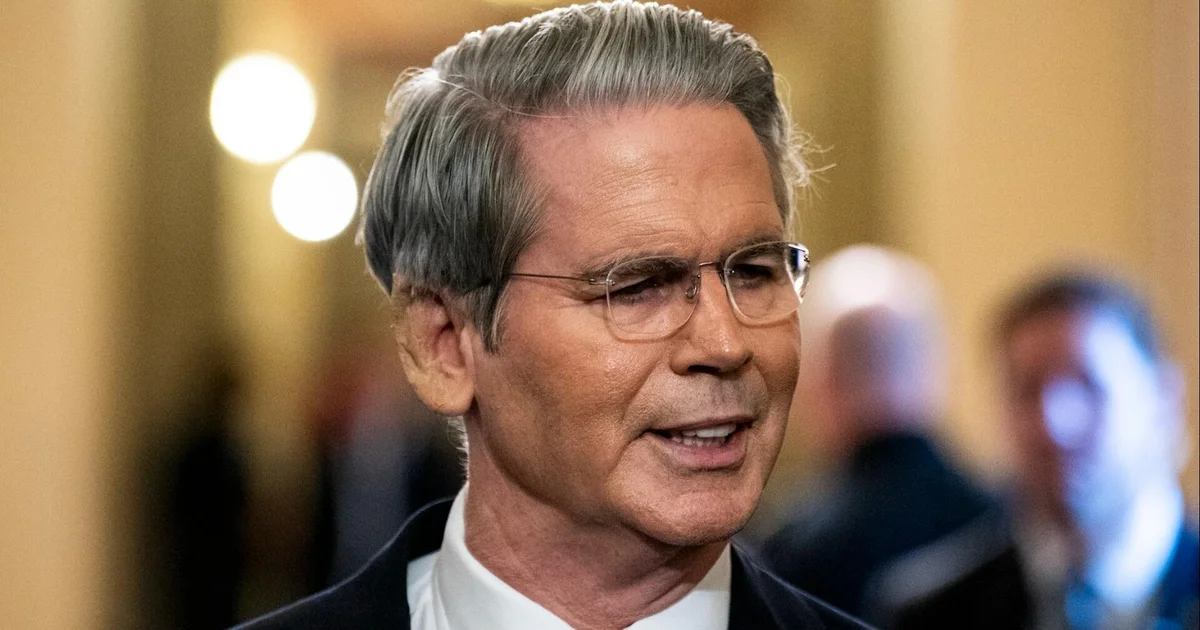

The recent call from Treasury Secretary Scott Bessent to reform the Financial Stability Oversight Council (FSOC) has ignited a heated debate about the future of financial regulation in the United States. Established in the aftermath of the 2008 financial crisis, the council aims to monitor systemic risks and safeguard the financial system. Critics express concern that the proposed changes could exacerbate vulnerabilities in the economy, especially amid rising financial risks.
| Article Subheadings |
|---|
| 1) Overview of the Financial Stability Oversight Council |
| 2) Secretary Bessent’s Proposed Reforms |
| 3) Critics of Loosening Regulations |
| 4) Political Reactions and Implications |
| 5) Future of Financial Regulation in the U.S. |
Overview of the Financial Stability Oversight Council
The Financial Stability Oversight Council (FSOC) was established under the Dodd-Frank Wall Street Reform and Consumer Protection Act of 2010. Its primary responsibility is to monitor the stability of the U.S. financial system, identifying risks that could potentially lead to crises similar to the one experienced in 2008. The council is composed of 15 members, including the Treasury Secretary, who serves as its chair, along with leaders from various financial regulatory agencies such as the Consumer Financial Protection Bureau and the Federal Reserve.
FSOC plays a crucial role in assessing systemic risks, which are conditions that could pose a significant threat to the financial system as a whole. By monitoring these potential risks, the council aims to take preemptive actions to safeguard financial stability, ensuring that markets operate smoothly and consumer interests are protected.
Secretary Bessent’s Proposed Reforms
In a letter released on Thursday, Secretary Scott Bessent suggested a series of reforms to the FSOC that advocate for loosening its regulatory grip. He expressed concern that past regulations have often resulted in unnecessary burdens on financial institutions, stating, “too often in the past, efforts to safeguard the financial system have resulted in burdensome and often duplicative regulations.” His message indicates a shift towards prioritizing flexibility and growth over stringent oversight.
Bessent’s administration is proposing a new approach that seeks to balance the need for regulation with the desire for economic growth. This perspective is rooted in the belief that overly strict regulations can stifle innovation and economic development, potentially hampering the economy’s overall health.
Critics of Loosening Regulations
The proposed changes have drawn significant criticism from various sectors. Proponents of stringent financial regulation argue that weakening the FSOC could remove critical safeguards in a time when financial risks are escalating. Oscar Valdés Viera, a policy analyst at Americans for Financial Reform, stated, “What you’re removing is the smoke alarm for the entire financial system.” This analogy highlights the perceived danger of deregulation, especially as new risks emerge, such as those linked to Artificial Intelligence stocks.
Concerns have been exacerbated by recent corporate bankruptcies, including those of subprime auto lender Tricolor Holdings and home remodeling platform Renovo Home Partners. Critics argue that these developments demonstrate the fragility of the current financial system and underscore the need for robust regulatory measures.
Political Reactions and Implications
Political response to Bessent’s proposal has been notably polarized. Senator Elizabeth Warren, representing Massachusetts, publicly condemned the move, asserting, “Going down this path just as cracks are emerging in the financial system and yellow lights are flashing across our economy is especially reckless.” In her remarks, she pointed to recent economic indicators that suggest rising vulnerabilities within the market.
The wider implications of these proposed deregulations could lead to an intense debate within Congress and among financial advocacy groups. As lawmakers consider the potential impact of these changes, they will weigh the benefits of economic growth against the risks associated with a less regulated financial landscape.
Future of Financial Regulation in the U.S.
The future of financial regulation in the United States may be at a pivotal moment, as discussions regarding the restructuring of the FSOC continue to evolve. The potential reversal of regulatory gains made in the wake of the 2008 financial crisis raises critical questions about the priorities of the current administration. Experts will be watching closely to see how these changes could impact financial markets, consumer protection, and economic stability.
As debates unfold, stakeholders will need to consider the long-term implications of deregulation, specifically regarding market confidence and consumer trust. Without appropriate oversight, there is a risk that financial institutions might engage in high-risk behaviors, ultimately jeopardizing the economy’s overall health.
| No. | Key Points |
|---|---|
| 1 | The FSOC was established in 2010 to monitor systemic risks in the U.S. financial system. |
| 2 | Secretary Scott Bessent proposed reforms to loosen FSOC regulations. |
| 3 | Critics fear that deregulation could lead to increased financial risks and instability. |
| 4 | Political responses to deregulation proposals have been divided, with significant pushback from some lawmakers. |
| 5 | The ongoing debate will likely influence the future of financial oversight in the U.S. |
Summary
The ongoing discussions around the FSOC and proposed regulatory changes highlight a contentious and pivotal moment for U.S. financial regulation. As the implications of Secretary Scott Bessent‘s suggestions unfold, the balance between promoting economic growth and maintaining financial stability remains a critical focus for lawmakers and regulators alike. This dialogue is essential not only for the financial sector but for consumers who depend on a resilient economic environment.
Frequently Asked Questions
Question: What is the primary function of the FSOC?
The FSOC’s primary function is to monitor and mitigate systemic risks in the U.S. financial system, thereby helping to ensure stability.
Question: Why is there criticism regarding the proposed FSOC reforms?
Critics argue that loosening regulations could remove essential safeguards at a time when financial vulnerabilities are increasing, risking further instability in the economy.
Question: How have recent bankruptcies influenced the debate on financial regulation?
Recent bankruptcies among financial institutions have raised alarms about the safety of the current financial system, intensifying calls for continued regulatory oversight.
