

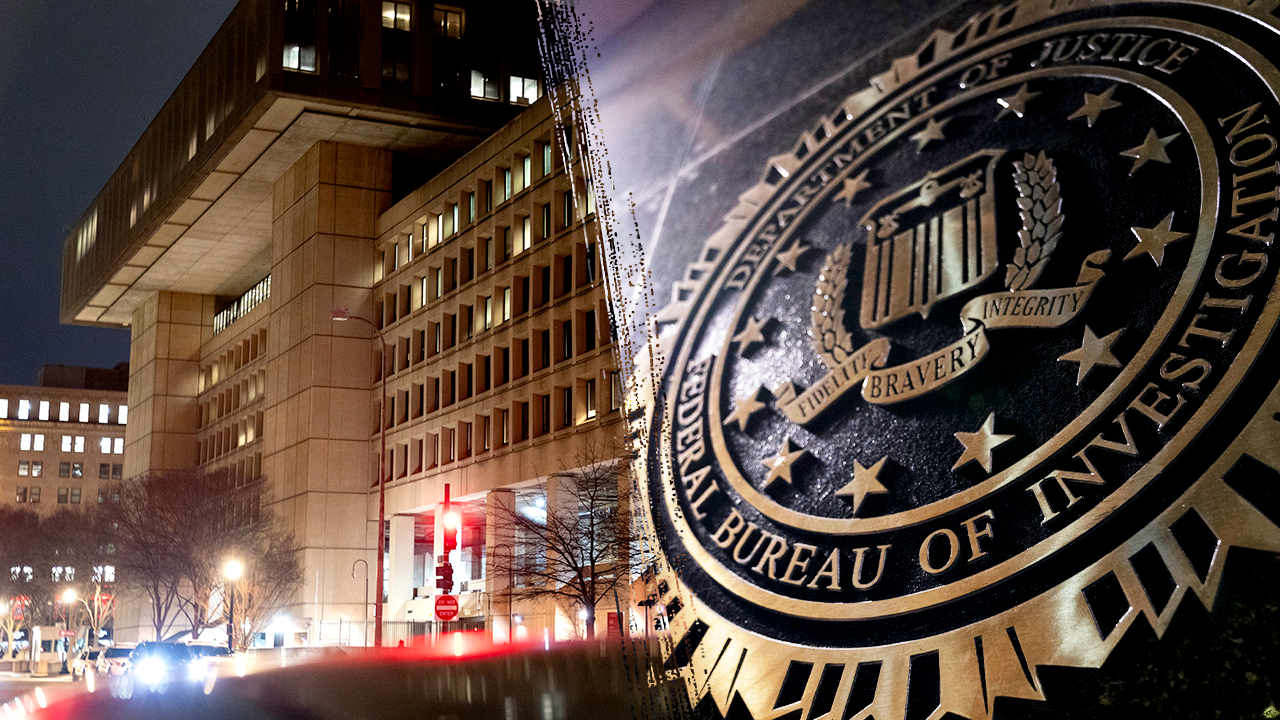

A significant personnel decision at the FBI has emerged following the firing of former agent Steve Friend, a whistleblower known for exposing alleged misconduct during the COVID-19 pandemic. According to reports, the dismissal was officially attributed to “unprofessional conduct and poor judgment.” This action has ignited discussions about whistleblower treatment within federal agencies, particularly in relation to Friend’s previous allegations of misconduct regarding FBI operations.
| Article Subheadings |
|---|
| 1) Background on Steve Friend’s tenure at the FBI |
| 2) Details surrounding the dismissal |
| 3) Whistleblower claims and their implications |
| 4) Reaction from legal representatives and government officials |
| 5) The broader conversation about whistleblower protections |
Background on Steve Friend’s tenure at the FBI
Before his firing, Steve Friend had a notable career as an FBI agent, particularly recognized for his work during the COVID-19 pandemic. Initially suspended in August 2022, he made headlines when he later resigned in February 2023, only to be reinstated in September of that year. His experience within the Bureau has set the stage for a larger conversation about accountability and ethical conduct among federal agents.
Friend’s initial suspension stemmed from accusations that he raised concerns about how the FBI was handling various investigations related to the pandemic and its aftermath. His critiques were notably captured in public discussions and on platforms, which led him to be labeled by some as a whistleblower. This status became central to the criticisms he leveled against the Department regarding transparency in its operations.
Details surrounding the dismissal
The firing of Steve Friend on December 12 has fueled significant discussions regarding employee conduct within the FBI. The official reason cited was “unprofessional conduct and poor judgment,” which is reflected in a termination letter disclosed by a columnist. Within the letter, Friend was accused of engaging in unauthorized interactions with the media, which included publicly discussing FBI investigations—a serious breach of protocol within federal agencies.
According to the termination letter, Friend had already been warned about such activities but allegedly continued to hold unauthorized discussions, which culminated in significant actions being taken against him. Additionally, the FBI has stated that these actions included sharing confidential information through a podcast, which not only compromised ongoing investigations but also put the Bureau’s credibility at risk.
Whistleblower claims and their implications
Friend’s allegations extend beyond his own dismissal, touching on something systemic within federal institutions. He has publicly stated that his termination was a retaliatory act orchestrated by higher authorities in the Bureau, particularly targeting those who speak out against its practices. Many supporters of Friend argue that his firing is indicative of a broader culture of silence and repression against whistleblowers who aim to expose misconduct.
Moreover, Friend’s case can be seen as a pivotal moment in the ongoing debate over how the FBI treats employees who raise concerns. His allegations point to a disturbing trend where whistleblowers may face significant professional repercussions for bringing attention to unethical behaviors within their agencies, leading to calls for stronger protections and policies to support such individuals.
Reaction from legal representatives and government officials
In the wake of Friend’s dismissal, his former legal counsel, Empower Oversight Whistleblowers & Research, expressed disappointment regarding his handling of the situation. The organization accused him of ignoring their advice, suggesting that his public comments on high-stakes investigations placed him at greater risk of administrative action. This statement raises questions about the responsibilities whistleblowers must navigate while advocating for transparency.
Legal experts have reacted to Friend’s justified fears of retaliation. They argue that the predicament he faced emphasizes an urgent need for reforms in protective measures for federal employees who report wrongdoing. While some officials defend the Bureau’s stance, others believe that these situations could escalate if clearer guidelines and protections are not established.
The broader conversation about whistleblower protections
The firing of Steve Friend has reignited the conversation about whistleblower protections within federal agencies, particularly during times of crisis. Advocates are increasingly calling for comprehensive legislation aimed at safeguarding these individuals who seek to expose misconduct and maintain integrity within their respective organizations.
Numerous organizations that focus on ethics and government accountability have urged the federal government to examine existing policies extensively. They stress that effective whistleblower protections are necessary not only for individual employees but also for the integrity of the agencies themselves, as they are tasked with serving the public interest.
Additionally, this conversation reflects a broader societal commentary about transparency in governance. Regulations must evolve to ensure that those who come forward to shed light on potential abuses or ethical breaches in the bureaucracy are supported rather than silenced.
| No. | Key Points |
|---|---|
| 1 | Steve Friend, a former FBI agent, has been fired following allegations of unprofessional conduct. |
| 2 | His dismissal has raised questions about the treatment of whistleblowers within federal agencies. |
| 3 | Friend alleges retaliation by FBI management following his public disclosures. |
| 4 | Legal representatives emphasize the need for better protections for whistleblowers. |
| 5 | The situation has sparked a national discussion on transparency and ethics in governance. |
Summary
The termination of Steve Friend has highlighted significant issues regarding whistleblower treatment within federal agencies. As discussions unfold surrounding ethical conduct and transparency within the FBI and beyond, it becomes increasingly crucial to consider the implications of Friend’s firing. Not only does this case reflect on the individual actor, but it raises broader concerns about institutional accountability and the protection needed for those willing to come forward and share their experiences.
Frequently Asked Questions
Question: What led to Steve Friend’s firing from the FBI?
Steve Friend was fired for alleged “unprofessional conduct and poor judgment,” which included unauthorized interactions with media and public discussions about ongoing FBI investigations.
Question: How does this case impact whistleblower protections in federal agencies?
Friend’s dismissal highlights the vulnerabilities whistleblowers face, prompting discussions on the need for stronger legal protections and policies to support individuals who report misconduct.
Question: What is the response from Friend’s legal representatives?
Friend’s legal counsel expressed disappointment over his decision to publicly comment on FBI matters, suggesting it exposed him to administrative action that they had warned against.
