

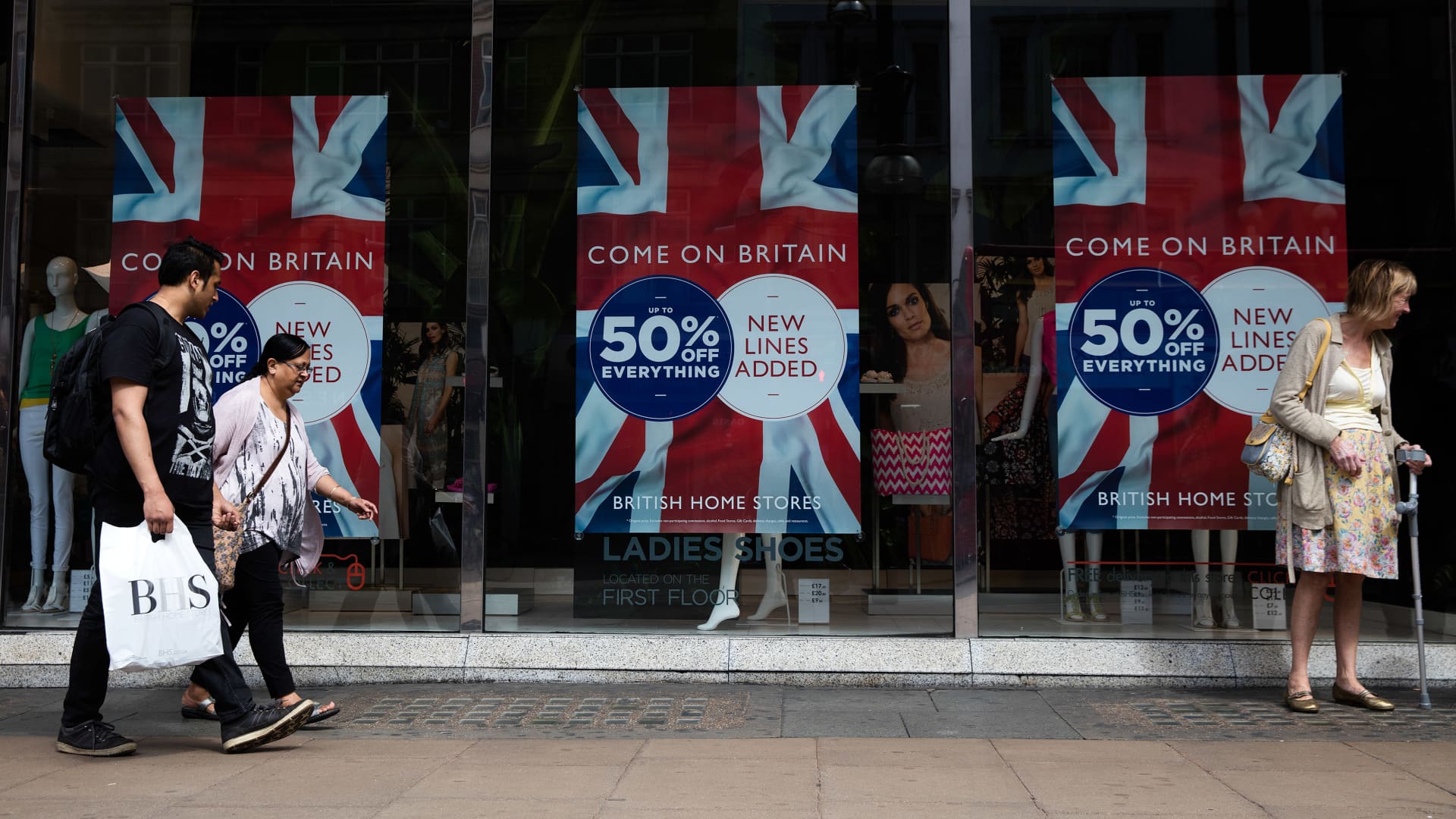

The U.K. economy has faced an unexpected contraction of 0.1% during the third quarter ending in October, according to recent data released by official authorities. This downturn follows a previous quarter where the economy had marginally expanded by the same percentage. The contraction has raised concerns among economists who anticipated steady growth, highlighting ongoing difficulties in sectors such as services, construction, and production.
| Article Subheadings |
|---|
| 1) Analysis of U.K. Economic Performance |
| 2) Impact of Recent Budget Announcement |
| 3) Insights from Economic Experts |
| 4) Prospects for Future Economic Growth |
| 5) Central Bank’s Response to Economic Data |
Analysis of U.K. Economic Performance
The U.K. economy experienced an unexpected contraction, shrinking by 0.1% in the three months leading up to October. Official figures indicate that economists had initially predicted no growth during this period, reflecting a persistent stagnation in key economic sectors. This contraction follows a previous period of similar decline, from July to September this year, when the economy expanded by 0.1%. Economic analysts are voicing concerns that this pattern of unexpected downturns may become more frequent given current trends.
The Office for National Statistics reported that several sectors contributed to this decline. Most notably, the services output remained stagnant, failing to contribute positively to the economic metrics. Meanwhile, construction output fell by 0.3%, and production output saw an alarming decrease of 0.5%. The downturn in manufacturing was particularly driven by reduced activity in the production of motor vehicles and associated transportation units, exacerbated by a challenging global supply chain situation.
Impact of Recent Budget Announcement
The timing of this economic downturn is critical as it follows the U.K. Chancellor’s recent Budget announcement aimed at stimulating growth and addressing a significant fiscal gap in the country’s finances. Chancellor Rachel Reeves unveiled a series of anticipated tax hikes designed to curb rising government debt and potentially foster economic growth, but the reception among economists has been mixed.
Officials and economists are divided in their opinions about the effectiveness of this Budget strategy. While some argue that increasing taxes is necessary for long-term stability, others contend that such measures might stifle short-term economic activity—particularly in a contracting economy such as the U.K.’s. The announcement offered a glimmer of hope by considering investments in essential services; however, many see the path forward as a balancing act fraught with risks.
Insights from Economic Experts
Investment strategist Lindsay James from Quilter wealth management remarked on the disheartening GDP figures, stating,
“October’s GDP underscores just how much difficulty the U.K. economy is going through as the government searches for some sort of growth.”
This commentary reflects the broader sentiment among economic experts who recognize the significant hurdles faced by the government in revitalizing the economy.
In light of the disappointing figures, James speculated about the implications for the Bank of England’s forthcoming policy meeting, highlighting concerns that low growth expectations may persist. The prevailing consensus among experts appears to be the anticipation of further challenges, particularly in light of persistent inflation rates that complicate the central bank’s ability to stimulate growth through interest rate reductions.
Prospects for Future Economic Growth
As economists assess the U.K.’s future growth potential, there is widespread agreement that the latter part of the year may yield sluggish economic activity. Yael Selfin, chief economist at KPMG UK, articulated the expectation for flat GDP growth during the final quarter of the year. She stated,
“Overall, we expect the GDP growth to be flat in the final quarter of this year.”
This assessment underscores the overarching uncertainty surrounding economic recovery in the U.K.
The crux of the discussions surrounding future growth centers on immediate factors such as governmental policies, inflation, and consumer confidence. Ongoing uncertainties regarding the Budget and its consequences will likely affect consumer behavior and spending, both key drivers of economic health. Analysts are closely monitoring these factors for any indicators of potential recovery or further decline.
Central Bank’s Response to Economic Data
In light of these economic pressures, the Bank of England is set to convene for its Monetary Policy Committee meeting on December 18. Analysts suggest that the latest GDP figures may compel the central bank to consider a quarter-point rate cut to 3.75%. Such a move would aim to alleviate some financial pressure on consumers and businesses alike.
However, the possibility of rate cuts raises questions about the pace and effectiveness of such measures, particularly with inflation remaining consistently high. Experts caution that while a reduction in rates might provide temporary relief, it may not sufficiently address the foundational issues facing the economy, leading to a potentially prolonged period of stagnation.
| No. | Key Points |
|---|---|
| 1 | The U.K. economy contracted by 0.1% in the last quarter, surprising economists. |
| 2 | Sector declines were noted in services, construction, and manufacturing. |
| 3 | Chancellor’s recent Budget announcement included tax hikes to address deficits. |
| 4 | Experts predict flat GDP growth in the final quarter of the year. |
| 5 | Central Bank to consider interest rate cuts amid persistent inflation. |
Summary
The recent contraction of 0.1% in the U.K. economy has raised alarm bells among economists, especially in the context of prior growth expectations. Amidst a challenging economic landscape affected by weak performances in several sectors and a contentious Budget announcement, analysts are closely monitoring developments as the nation heads into the final quarter of the year. With the Bank of England approaching an important policy decision, the interplay between monetary policy, inflation, and economic growth will be critical in shaping the outlook for 2024.
Frequently Asked Questions
Question: What factors led to the U.K. economic contraction?
The contraction was driven primarily by stagnant services output, alongside declines in construction and manufacturing, particularly in motor vehicle production.
Question: What are the implications of the Chancellor’s Budget announcement?
The announcement introduced several tax hikes aimed at addressing deficits and stimulating growth, but has been met with mixed reactions regarding its expected effectiveness.
Question: How might the central bank respond to these economic challenges?
The Bank of England is expected to consider a quarter-point interest rate cut to alleviate economic pressures, although persistent high inflation raises questions about the efficacy of such measures.
