

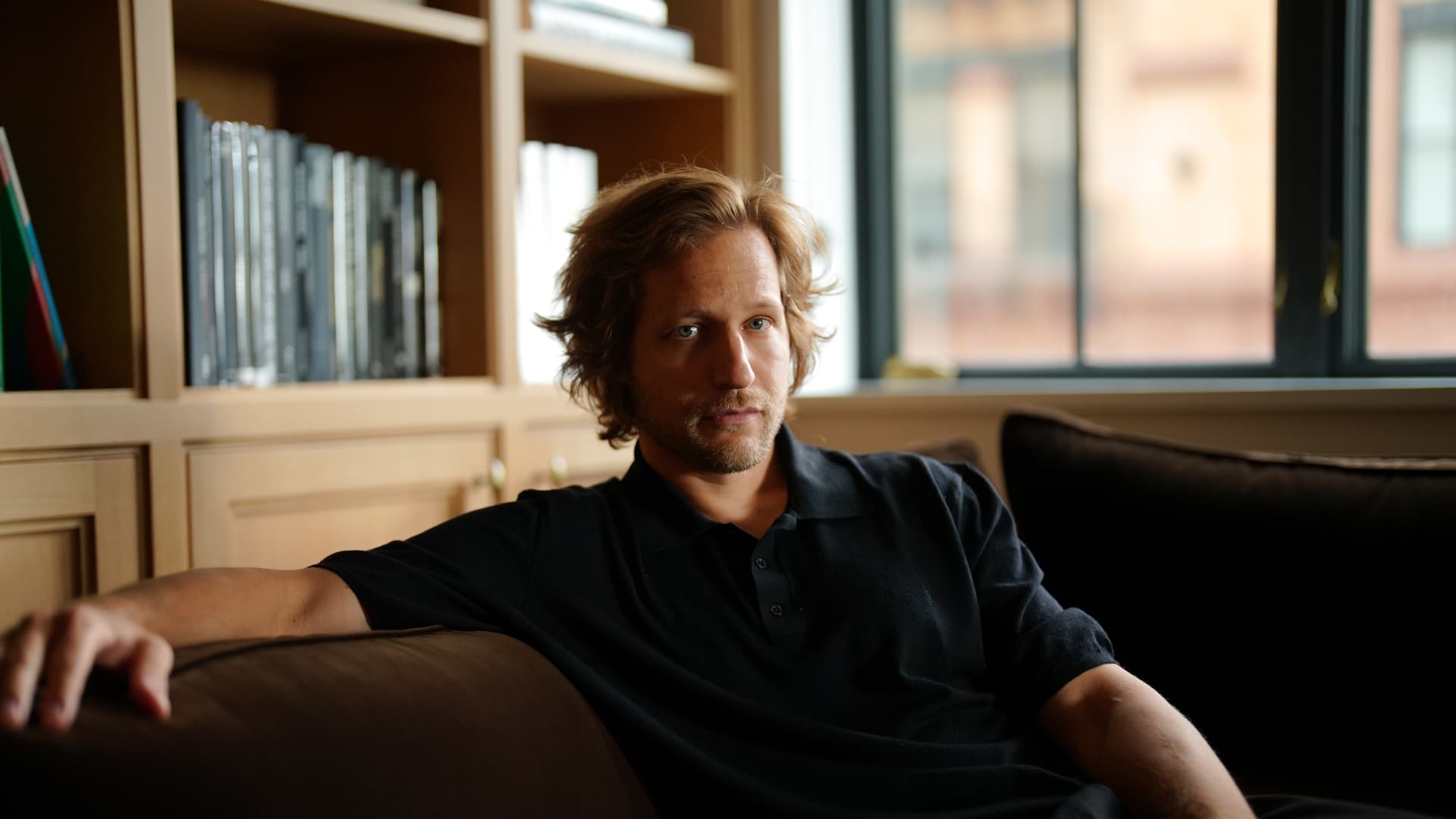

In a transformative approach to investment and philanthropy, Giorgos Tsetis, co-founder of Nutrafol, is making headlines with his family office, Great Things. Launched just a year ago after the lucrative sale of his previous venture, Tsetis has committed to investing in emerging startups while also pledging substantial funds to charitable causes. His philosophy emphasizes timely responsibility towards societal issues and innovative wealth-sharing models, especially during the ongoing AI boom that has accelerated profit possibilities.
| Article Subheadings |
|---|
| 1) Overview of Great Things and Philanthropic Commitment |
| 2) Investment Strategy in the AI Boom |
| 3) Long-term Vision and Sustainability |
| 4) Challenges in Balancing Profit and Social Impact |
| 5) Moving Forward: Future Projections and Cautions |
Overview of Great Things and Philanthropic Commitment
Launched nearly a year ago, the family office Great Things was established by Giorgos Tsetis after his successful exit from Nutrafol, a hair-growth supplement company valued at $3.5 billion. Recognizing the potential for wealth generation and philanthropic alignment, Tsetis has pledged to allocate at least 20% of the family’s annual net realized profits to charitable causes. Over the last 18 months, he has diversified his investments while committing nearly $7 million to various nonprofits.
Unlike traditional family offices known for conserving wealth for future generations, Great Things embodies a proactive approach to investing and giving. The office’s philosophy underscores an urgent need to address immediate societal challenges while leveraging investment profits. Tsetis believes that wealthy families should prioritize social impact alongside financial returns. “We need to solve problems together as we speak,” he stated, reflecting a dual commitment to innovation and philanthropy.
Investment Strategy in the AI Boom
Great Things has capitalized on the current AI boom, realizing substantial profits in a short timespan. Tsetis reported a remarkable seven-times return on his investment in the AI startup Anthropic, achieved in just 18 months, credited to quick liquidity opportunities arising from the sector’s explosive growth. The firm has adopted an aggressive investment strategy, channeling nearly $40 million into startups that align with their vision.
Despite the immediate successes associated with AI investments, Tsetis and his team recognize the volatility inherent in the sector. As the frenzy around AI begins to taper off, they have chosen to be more strategic in their approach, shifting focus from early-stage startups to later-stage investments which promise increased liquidity. This approach reflects a matured understanding of market dynamics while still positioning themselves for potential high returns.
Long-term Vision and Sustainability
The vision for Great Things extends beyond mere financial success; it encapsulates a sustainable model of philanthropy where giving is as integral to the company’s operations as investment. Tsetis’ financial advisor, Gabriel Cooperman, explains that the firm’s commitment to donation is modeled after venture capital economics. Their unique structure employs a donor-advised fund that ensures charitable commitments are met regardless of the annual profitability of investments. This approach underlines their aim for sustained philanthropic engagement, enabling the office to support nonprofits consistently over three to five years.
By directly connecting profit-sharing models to charitable-giving frameworks, they have innovated a system that sustains both fiscal and social health, thus illustrating a new paradigm where wealth is simultaneously grown and shared. “We know it works. We know it’s very sustainable,” Cooperman affirmed, elaborating on the firm’s forward-thinking approach to family office management.
Challenges in Balancing Profit and Social Impact
Despite its innovative approach, Great Things faces challenges in reconciling investment decisions with their broader social commitment. While Tsetis seeks investments that yield high returns, balancing these choices with ethical considerations is essential. For instance, the firm’s investment in Polymarket—a controversial prediction market startup—illustrates the complexity of merging profit motives with social responsibility. Tsetis articulated his approach, stating, “This was a conscious decision to participate and see if we can generate significant returns and do what we believe is right with those returns.”
The firm understands that the path they take can impact their reputation as socially responsible investors. Furthermore, incorporating a traditional impact investing framework might impede their ability to scale effectively. Hence, the organization works strenuously to produce a model that meets their investment and philanthropic needs without compromising their broader objectives.
Moving Forward: Future Projections and Cautions
Looking ahead, Tsetis and his team anticipate deploying an additional $60 million over the next two years, further solidifying their capacity to make both impactful investments and charitable contributions. However, noted partner Roman Kalantari emphasizes the necessity for cautious optimism. Reflecting on past market patterns, he expressed concerns about a potential correction in the AI sector, urging a more measured investment strategy moving forward. “Anyone who tells you there’s not going to be a slowdown or a correction of some kind has really bought into the hype machine,” Kalantari said.
As the Great Things team recalibrates its focus toward startups with durable value propositions and proprietary technology, they exemplify an adaptable investment approach. Their objective is not to solely chase after trends but to ensure long-lasting impact and fiscal responsibility. This holistic strategy reflects their commitment to sustainable growth, both financially and socially.
| No. | Key Points |
|---|---|
| 1 | Great Things, founded by Giorgos Tsetis, is focused on high-impact investments while committing a significant portion to philanthropy. |
| 2 | The office emphasizes immediate action on social issues alongside wealth creation through strategic investments, particularly in AI startups. |
| 3 | Great Things operates a unique financial structure that integrates profit-sharing with charitable giving, ensuring sustainability. |
| 4 | Balancing profit generation with social responsibility presents challenges for the firm, as seen in their investment decisions. |
| 5 | Moving forward, Great Things is adopting a cautious approach to investments, preparing for potential market corrections in the AI sector. |
Summary
In summary, Great Things represents a noteworthy model in the evolving landscape of family offices, where the dual imperatives of wealth growth and social responsibility are interwoven. Under the leadership of Giorgos Tsetis, the firm’s proactive commitment to philanthropy alongside opportunistic investments in technology, particularly AI, challenges traditional norms of wealth preservation and distribution. As Tsetis navigates the complexities of this multifaceted approach, Great Things stands as a beacon of innovation and responsibility for wealthy families looking to redefine their impact on society.
Frequently Asked Questions
Question: What is the primary mission of Great Things?
The primary mission of Great Things is to combine successful investment strategies with a strong commitment to philanthropy, ensuring that a significant portion of profits is allocated to charitable causes.
Question: How does Great Things make investment decisions?
Investment decisions at Great Things are made primarily by Giorgos Tsetis and his partner, Roman Kalantari, allowing for quick adjustments based on market conditions and opportunities in the tech sector.
Question: What challenges does Great Things face in its investment strategy?
Great Things faces the challenge of balancing lucrative investment opportunities with ethical considerations, particularly when investing in sectors that may have controversial aspects, such as their involvement in prediction markets.
