

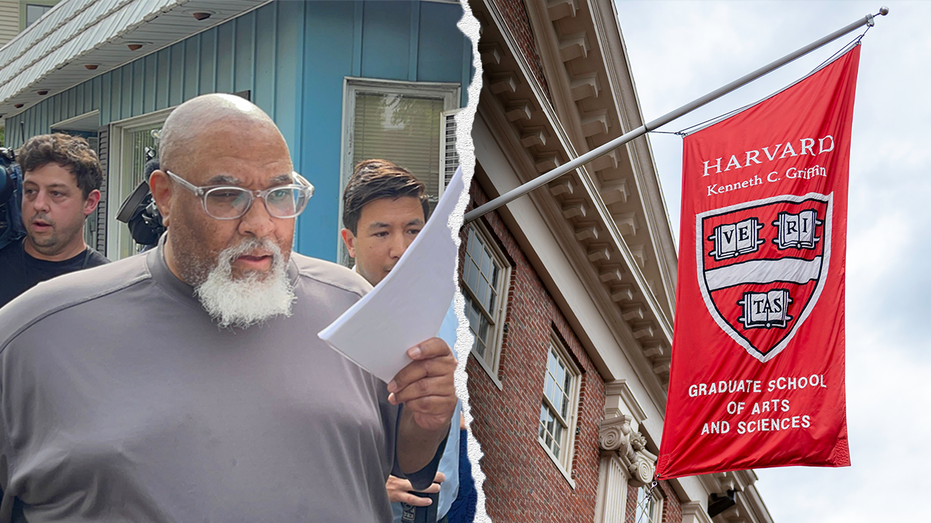

Harvard University has agreed to a proposed $53 million settlement with families who alleged the school negligently handled its anatomical gift program. The litigation followed the theft and sale of donated human remains by former Harvard Medical School morgue manager Cedric Lodge. A Massachusetts judge granted preliminary approval of the agreement on Tuesday, with a final approval hearing scheduled for December 9, 2026. The settlement would also include institutional commitments concerning donor families and medical student financial aid.
Lodge pleaded guilty to interstate transport of stolen human remains and was sentenced to eight years in prison. His wife, Denise Lodge, received a sentence of 12 months and one day. Prosecutors said the remains were taken from the medical school morgue and transported to New Hampshire for sale without authorization from Harvard, donors or their families.
| 1) | Settlement receives preliminary court approval |
|---|---|
| 2) | Criminal case revealed the scope of the theft |
| 3) | Families alleged failures in donor oversight |
| 4) | Harvard outlines commitments under the agreement |
| 5) | Final approval will determine the settlement’s outcome |
Settlement receives preliminary court approval
Massachusetts Superior Court Judge Debra A. Squires-Lee granted preliminary approval to a proposed class-action settlement involving Harvard University and families of people who donated their bodies for medical education and research. The agreement would create two funds with a combined value of $53 million to resolve claims against the university.
The case concerns the school’s handling of remains after they had been used for teaching and research. Families accused Harvard of failing to adequately oversee the anatomical gift program and prevent unauthorized removal and sale of body parts from the morgue.
Criminal case revealed the scope of the theft
The civil litigation followed Cedric Lodge’s arrest in 2023. Lodge had managed the Harvard Medical School morgue for nearly three decades. Prosecutors said that from 2018 through at least March 2020, he participated in stealing, selling and transporting human remains across state lines.
The remains included organs, brains, skin, hands, faces, dissected heads and other body parts. Lodge admitted taking them to his home in New Hampshire without the knowledge or permission of Harvard, the donors or their relatives. He pleaded guilty to interstate transport of stolen human remains and was sentenced to eight years in prison. Denise Lodge was sentenced to 12 months and one day.
Families alleged failures in donor oversight
The families’ claims focused on the institution’s responsibility to protect people who had donated their remains for medical purposes and to honor the agreements governing those donations. According to the allegations, the body parts were taken after research and teaching activities but before the remains were disposed of in accordance with anatomical gift agreements.
The case has raised concerns about how medical institutions monitor morgues, control access to donated remains and communicate with families. The alleged conduct involved unauthorized activity by a former employee, while the civil claims address the university’s oversight and institutional responsibilities.
Harvard outlines commitments under the agreement
Harvard condemned Lodge’s conduct in a message to its community. Faculty of medicine dean George Daley and medical education dean Bernard Chang described the violations as inconsistent with the standards expected for the treatment of anatomical donors and their loved ones.
“His violations were despicable, abhorrent, and a flagrant betrayal of our values as a medical community.”
Under the proposed resolution, Harvard Medical School would provide claimant families with a statement reaffirming that Lodge’s criminal acts were morally reprehensible and inconsistent with the university’s standards. The school also said it would establish an annual financial aid scholarship for medical students beginning in the 2027-2028 academic year, in appreciation and honor of anatomical donors.
Final approval will determine the settlement’s outcome
The preliminary ruling allows the settlement process to continue but does not make the agreement final. The court is scheduled to hold a final approval hearing on December 9, 2026. At that hearing, the judge will consider whether the proposed agreement fairly resolves the class-action claims.
Families represented in the litigation would receive compensation through the proposed funds if final approval is granted. Their legal representatives said they hoped the resolution would help ensure that similar conduct does not happen to another family. Harvard’s planned statement and scholarship would provide additional institutional responses beyond the financial terms.
| 1 | The proposed settlement is valued at $53 million. |
|---|---|
| 2 | A former morgue manager pleaded guilty to transporting stolen human remains. |
| 3 | A final approval hearing is scheduled for December 9, 2026. |
| 4 | Harvard would issue a statement to claimant families and create a donor-related scholarship. |
Summary
The proposed agreement combines financial compensation with commitments intended to acknowledge the harm experienced by donor families and reinforce standards for handling anatomical gifts. Its final effect depends on the court’s review in December 2026. The criminal convictions of the former morgue manager and his wife remain separate from the civil settlement involving Harvard and the families.
Frequently Asked Questions
What is the value of the proposed Harvard settlement?
The proposed class-action settlement would establish two funds totaling $53 million for families pursuing claims against Harvard University.
What happened to the donated remains?
Prosecutors said former morgue manager Cedric Lodge stole and sold body parts, including organs, brains, skin, hands, faces and dissected heads, after remains had been used for research and teaching.
When will the settlement become final?
A Massachusetts Superior Court hearing is scheduled for December 9, 2026, when the judge will decide whether to grant final approval.
