

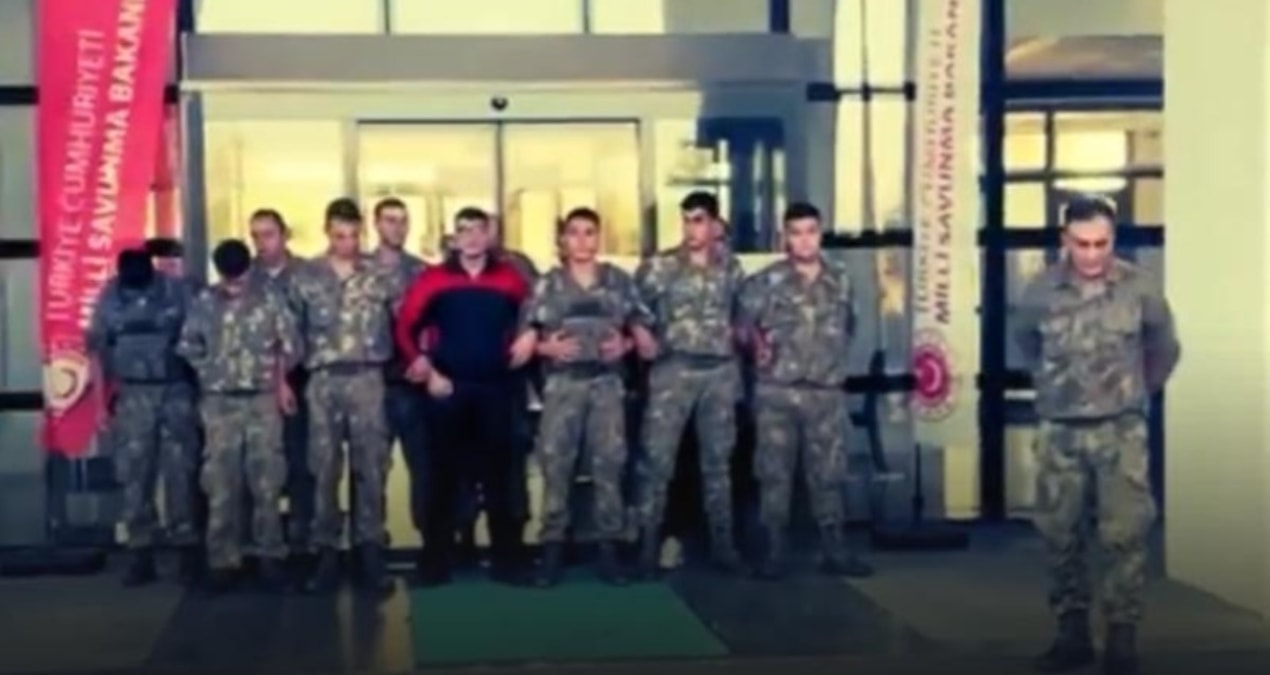

Families of private martyrs and veterans have been protesting in Ankara for a continuous stretch of 40 days, seeking recognition and equal personal rights. The demonstration, which has drawn participants from across all 81 provinces of Türkiye, has highlighted their plight as they express growing frustration over perceived neglect and mistreatment. On the 39th night of their protest, they found themselves outside the Ministry of Family and Social Services after being denied entry to a veterans’ integration center. This ongoing situation has sparked significant attention and debate on social media and from various authorities.
| Article Subheadings |
|---|
| 1) Background of the Protest |
| 2) Protest Tactics and Responses |
| 3) Official Statements and Reactions |
| 4) The Living Conditions of the Protesters |
| 5) Future Implications and Community Support |
Background of the Protest
The ongoing protest initiated by the families of private martyrs and veterans stems from a desire for equal rights and recognition within society and the military framework. According to participants, they have been consistently marginalized, leading to a unified push for an acknowledgment of their sacrifices. The protest began as a response to a perceived lack of support from the government and military institutions, aiming to shed light on the inequalities faced by private veterans compared to their counterparts.
The organizers of this protest have stated that their grievances include inadequate benefits and a general lack of comprehensive support services. Many participants have walked for days from every corner of Türkiye, showcasing the desperation and urgency felt by the families involved. They have expressed a strong commitment to staying until their demands are met adequately by the authorities.
Protest Tactics and Responses
During the course of the protest, a distinct strategy of occupying spaces directly outside key government buildings has been employed, primarily to gain visibility and highlight their issues. Recently, protesters camped out in front of the Ministry of Family and Social Services, their intent being to keep their demands at the forefront of political discourse. This tactic has drawn attention to their hardships, generating conversations at multiple societal levels, from local communities to national discussions.
On the night recorded by an observer, protestors were seen laying on cardboard mattresses as they prepared to spend another night in the open. Eyewitness reports indicated that many of those present displayed resilience, singing songs and chanting slogans to keep spirits high. However, the decision by authorities to prevent their entry into the Bilkent Veterans’ Integration Center has exacerbated tensions, leading to expectations of more active resistance from the protesters.
Official Statements and Reactions
The government’s response to the situation has been met with skepticism from the participants. In a statement directed to social media, the Center for Combating Disinformation clarified that the Bilkent Veterans’ Adaptation House is open for all veterans without restrictions, contradicting the claims made by the protesting families. This assertion has been met with backlash, with many questioning the reliability of official narratives in light of documented experiences from the protesters.
While officials maintain that access to the facilities is available to veterans, individual experiences recounted by protesters lead to doubts regarding the authenticity of these claims. This contradiction reflects broader frustrations within the community, as families argue that systemic barriers contribute to their exclusion from essential support services.
The Living Conditions of the Protesters
The living conditions during the protest have become a focal point of public sympathy and concern. Footage from the scene has shown demonstrators struggling against the elements, with inadequate shelter leading to uncomfortable nights spent on hard pavements. Reports that depict veterans sleeping on cardboard indicate not only the harsh realities of their protest but also the profound emotional toll that such living conditions may take on individuals advocating for their rights.
Despite the challenges, many protesters have described their commitment to their cause as unwavering. Community support has been vital, with locals bringing food, blankets, and other necessities to assist the families. Moreover, social media has played a significant role in elevating their voices, with increasing numbers of individuals and organizations expressing solidarity and calling for equitable treatment of veterans across Türkiye.
Future Implications and Community Support
As the protest progresses, there are essential questions regarding its future and broader implications for veteran affairs in Türkiye. The ongoing demonstrations bring to light the pressing need for reassessments of policies governing veteran support services. The protestors assert that ensuring fair treatment for private martyrs’ families could lead to structural changes that enhance the quality of life for all veterans.
Supporting the protesters is not just about immediate material assistance; it involves a collective societal responsibility to advocate for the rights of those who have served in the military. The unfolding of this situation may prompt community organizations to engage more deeply in discussions surrounding veteran welfare, ultimately prompting legislative actions that reflect the experiences shared by those involved in the protest.
| No. | Key Points |
|---|---|
| 1 | The protest for equal rights has reached its 40th day with participating families calling for recognition. |
| 2 | Demonstrators camped outside the Ministry of Family and Social Services after being denied entry to a veterans’ center. |
| 3 | Official statements claim all veterans have access to facilities, contradicting protestors’ accounts. |
| 4 | Living conditions for protesters have been difficult, leading to widespread community support and assistance. |
| 5 | The outcome of the protests may influence future policies regarding veteran rights and support in Türkiye. |
Summary
The ongoing protest by the families of private martyrs and veterans in Ankara sheds light on critical societal issues surrounding the rights and treatment of this community. As their demands for equal recognition continue to resonate, there is a growing sense of urgency for government officials to address their grievances adequately. The outcome could have lasting implications not only for the protesters but also for broader policies impacting veterans throughout Türkiye, highlighting the need for society to support those who have given much in the name of service.
Frequently Asked Questions
Question: Why are the private martyrs’ families protesting?
The families are protesting to demand equal rights, recognition, and assurances of support for private veterans, who they feel have been marginalized in comparison to other veterans.
Question: What happened at the Bilkent Veterans’ Integration Center?
Protesters were denied entry to this center, leading to frustrations among families who felt that they were being excluded from vital services and support.
Question: How has the community responded to the protesters?
Community members have shown significant support, providing food, blankets, and assistance to the protesters, emphasizing the social responsibility towards veterans and their families.
