

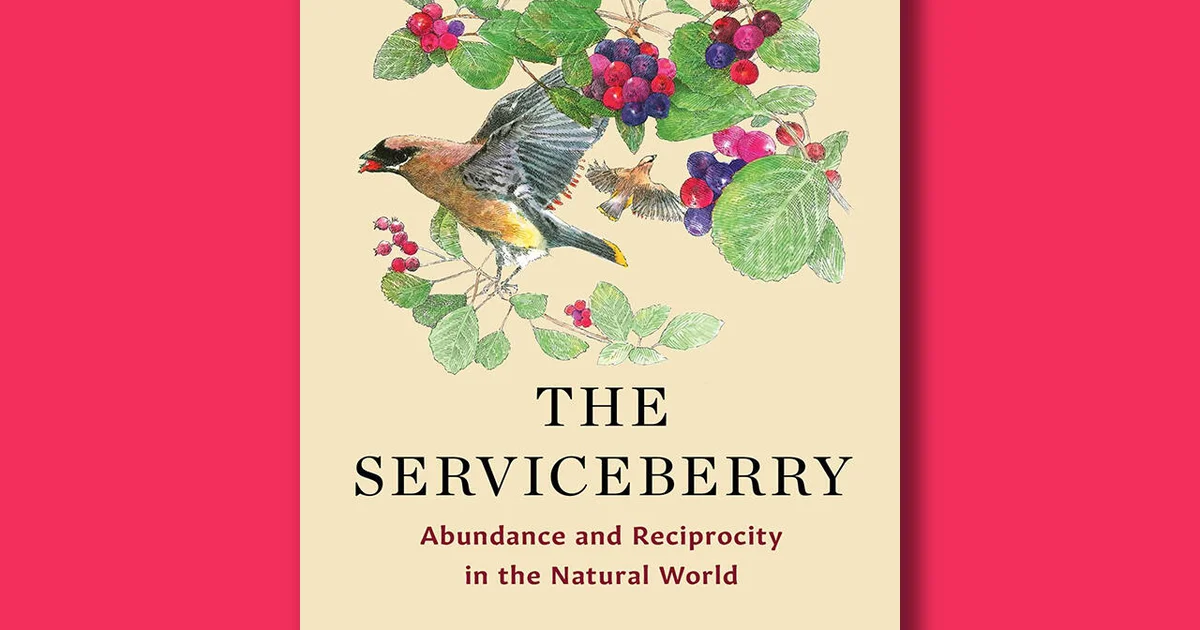

In her new book, “The Serviceberry,” acclaimed Indigenous botanist Robin Wall Kimmerer expands on her previous work regarding the invaluable connection between humanity and nature. This work emphasizes themes of gratitude and reciprocity, highlighting the lessons that nature imparts to those who are willing to listen and learn. Kimmerer advocates for a societal shift towards recognizing the gifts that the natural world provides, which can foster not only personal relationships with the environment but also broader ecological responsibility.
| Article Subheadings |
|---|
| 1) Exploring the Gifts of Nature |
| 2) The Culture of Gratitude Among Indigenous Peoples |
| 3) The Impact of Gratitude on Society |
| 4) Reciprocity with Nature |
| 5) Envisioning a Gift Economy |
Exploring the Gifts of Nature
In her profound exploration of nature’s offerings, Robin Wall Kimmerer reflects on the experiences that lead to the appreciation of the natural world. In “The Serviceberry,” she presents various instances of interactions with nature that constitute an ongoing gift exchange. For instance, the humble Juneberry becomes a symbol of broader ecological relationships, showcasing how multiple species contribute to the cycle of giving and receiving.
“I have no claim to these berries, and yet here they are in my bucket, a gift,”
she states, highlighting the shared contributions of everything from the soil to the pollinators.
Such reflections are not just anecdotal; they represent a deep-seated cultural understanding among Indigenous Peoples. This concept goes beyond mere appreciation; it involves recognizing each element of nature as a participant in a gift economy that sustains life. Kimmerer emphasizes that every piece of fruit carries the weight of countless interconnections, reminding readers that nothing exists in isolation. Each Juneberry not only nourishes humanity but also stands as a testament to the intricate ecosystems that enable its growth.
The Culture of Gratitude Among Indigenous Peoples
Central to Kimmerer‘s philosophy is the notion of a “culture of gratitude,” which is deeply embedded in the traditions of many Indigenous communities. This culture promotes the idea that every gift from nature comes with a responsibility to recognize, honor, and reciprocate. Indigenous teachings often carry messages that emphasize how neglecting to show gratitude can lead to serious repercussions.
“Failure to show gratitude dishonors the gift and brings serious consequences,”
notes Kimmerer.
Kimmerer illustrates this with stories that pass through generations, underscoring the importance of ceremonies that express thanks and the consequences of over-exploitation of resources. For instance, if one takes too many beavers, they may disappear from the area, leading to ecological imbalance. This cultural wisdom resonates with the principles of sustainability, urging humanity to respect and build symbiotic relationships with the environment.
By inheriting such teachings, individuals are encouraged to see abundance in their lives, replacing a scarcity mindset with one that appreciates already existing resources. The act of counting one’s blessings — what Kimmerer refers to as recognizing “enoughness” — is portrayed as a radical approach, especially when society pushes for constant consumption. In the face of global issues like food insecurity, this mindset shift could lead to a more equitable distribution of resources.
The Impact of Gratitude on Society
The significance of gratitude extends beyond individual circumstances to shape societal structures. Kimmerer argues that practicing gratitude can counteract the detrimental effects of hyper-consumption prevalent in today’s societies. Studies in ecopsychology demonstrate that embracing gratitude can lead to reduced desires for excessive consumption, promoting balance and sustainability within communities. ‘
The relationships nurtured by gift thinking diminish our sense of scarcity and want.
‘
In a landscape where both climate change and biodiversity loss pose immediate threats, fostering gratitude and a sense of community awareness could serve as actions for change. By understanding and expressing gratitude for nature’s gifts, individuals can develop a collective response to these global crises. Kimmerer’s reflections invite readers to imagine how a radical shift in consciousness toward gratitude can alter societal values and norms. Individuals no longer merely consume; instead, they engage in the ecosystem’s ongoing exchanges.
Reciprocity with Nature
Another vital aspect that Kimmerer discusses is reciprocity, which she frames as essential in forging deep relationships with the natural world. Rather than a transactional exchange, reciprocity in nature is about keeping the flow of gifts active and enriching. Kimmerer emphasizes that reciprocity does not equate to a simple return of favors; instead, it embodies a continuous cycle of giving that sustains the relationship between humans and nature. In her view, “
keeping the gift in motion in a way that is open and diffuse,
” as she describes, ensures that the relationship remains vibrant.
This concept can manifest in numerous ways, from direct responses such as tending to the environment to more indirect actions like advocacy and art creation. Kimmerer encourages readers to think about their roles in fostering health within ecosystems — whether through reducing waste, supporting local initiatives, or making conscious lifestyle changes. Each choice, she argues, contributes to the overall health of the natural world and reinforces one’s sense of responsibility within it.
Envisioning a Gift Economy
Kimmerer ultimately challenges readers to envision a new economic framework based on gift-giving, rather than accumulation. She asks, “
Can we imagine a human economy with a currency which emulates the flow from Mother Earth?
” This bold question reflects her belief in a systemic shift toward valuing interconnectedness over individual ownership. By fostering a culture of gifts, society could shift away from exploitative practices toward more sustainable living strategies.
The reimagining of the economy suggests that the lessons drawn from nature can guide human practices and reinforce the benefits of cooperation rather than competition. This cycle of gifts would not only nourish the ecosystem but could also create a society where wealth is measured by the health of the community and the environment, not merely monetary gain.
| No. | Key Points |
|---|---|
| 1 | Indigenous knowledge emphasizes gratitude and reciprocity in nature, teaching respect for ecological relationships. |
| 2 | Gratitude helps combat hyper-consumption, suggesting a shift towards appreciating what exists rather than constantly seeking more. |
| 3 | Strong ecological relationships can be created through reciprocal actions, fostering deeper responsibilities towards nature. |
| 4 | Advocating for a gift economy can lead to sustainable practices that value interconnectedness over individual ownership. |
| 5 | Kimmerer’s work challenges societal norms, urging a reconsideration of how humans engage with the environment. |
Summary
In “The Serviceberry,” Robin Wall Kimmerer adeptly weaves together personal reflection and Indigenous wisdom into a narrative that champions the importance of gratitude and reciprocity in our relationship with nature. As environmental crises escalate globally, her call for a shift toward a gift economy resonates with urgent contemporary needs. By recognizing the interconnectedness of all life and the gifts it imparts, Kimmerer challenges us to cultivate a sustainable future rooted in gratitude and shared responsibility.
Frequently Asked Questions
Question: What is the central theme of “The Serviceberry”?
The central theme revolves around gratitude and reciprocity in our relationship with nature, emphasizing how these values can transform how we interact with the environment.
Question: How does Kimmerer relate gratitude to ecological sustainability?
Kimmerer points out that practicing gratitude can counteract hyper-consumption, leading to more sustainable living practices and a greater appreciation for abundant resources.
Question: What does Kimmerer suggest about reciprocity with nature?
Reciprocity is portrayed as a means of keeping gifts active in nature, encouraging ongoing exchanges that enrich both human experiences and ecological relationships.
