

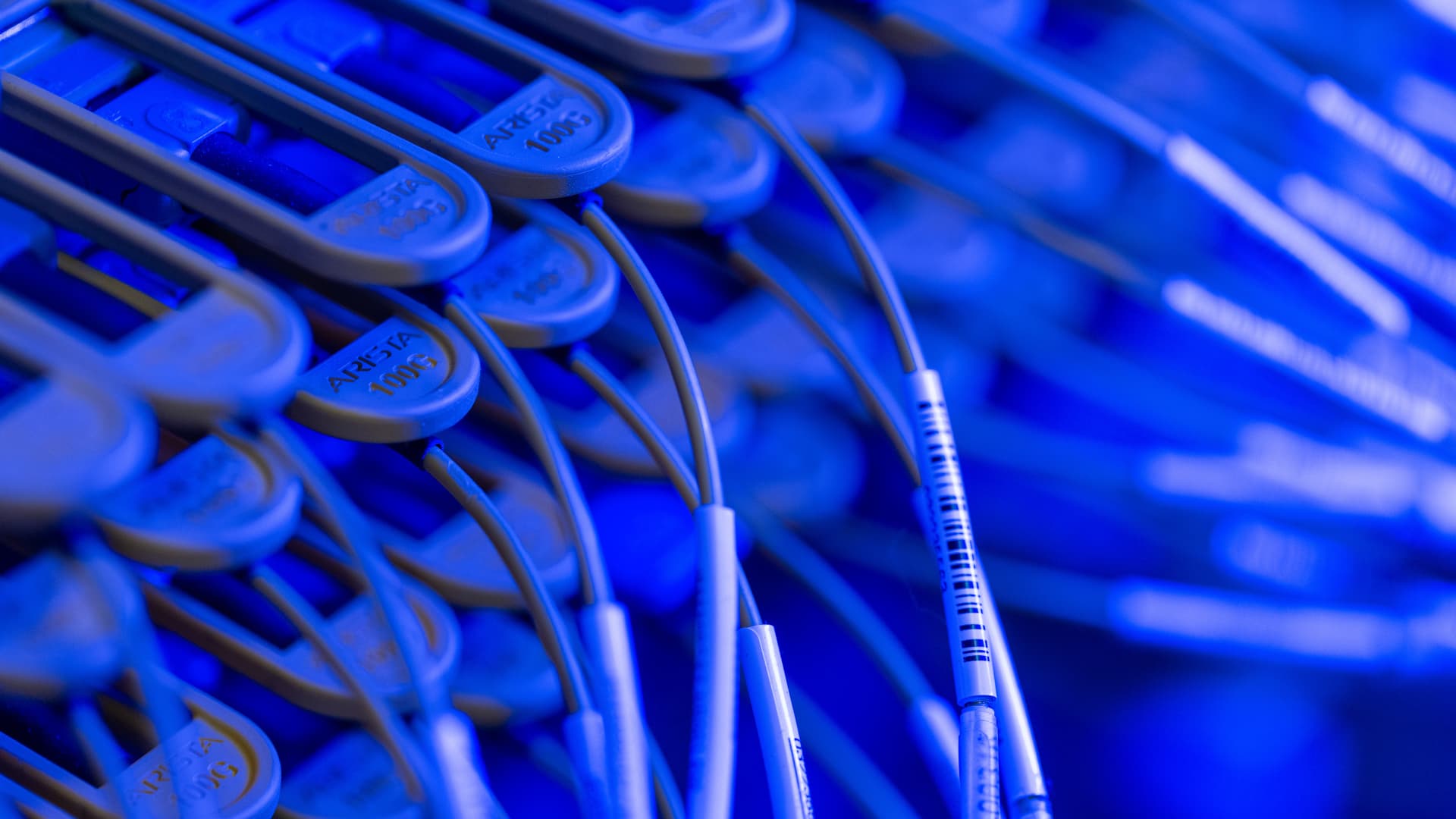

A recent cyberattack linked to Iranian hackers prompted the temporary shutdown of a small power plant in the U.K. for four days in July. This incident coincided with warnings from U.S. authorities about potential threats to water facilities across multiple states. Although the U.K. government has refrained from attributing blame or naming the affected facility, it emphasized the resilience of the national energy system and its commitment to enhancing cybersecurity measures.
| Article Subheadings |
|---|
| 1) Overview of the Cyberattack Incident |
| 2) U.S. Government Response and Warnings |
| 3) U.K. Government’s Position on Cybersecurity |
| 4) Broader Implications of Cyber Warfare |
| 5) Recent Cyberattacks Linked to Iran |
Overview of the Cyberattack Incident
In July 2023, a small power plant operating in the United Kingdom was forcibly shut down for a duration of four days due to a cyberattack attributed to Iranian hackers. This event raises serious questions about the vulnerability of critical infrastructure to cyber threats and the potential repercussions of politically motivated attacks on essential services. While the specific facility involved has not been publicly identified by government officials, the incident underscores the increasing frequency and sophistication of cyberattacks in today’s digital landscape.
According to reports from local media, the timing of the cyberattack aligns with escalating tensions in the international arena, particularly involving Iran. The incident serves as a reminder that cyber warfare is not confined to geographic borders; rather, it can have devastating impacts on infrastructure anywhere in the world. The anonymity inherent in cyber operations intensifies the need for robust cyber defenses and collaboration across nations to safeguard critical systems.
U.S. Government Response and Warnings
Around the same time as the U.K. incident, various U.S. authorities, including the Federal Bureau of Investigation (FBI) and the Cybersecurity and Infrastructure Security Agency (CISA), issued alerts regarding potential cyber threats targeting water facilities in at least seven states across America. These warnings highlighted how malicious actors, purportedly linked with Iranian state-sponsored hacking groups, were known to exploit vulnerabilities in critical infrastructure systems.
The U.S. government’s alert served as a crucial notification to companies operating within critical sectors, urging them to increase their cybersecurity posture and reinforce the security measures in place. This communication became especially important as many organizations were already on high alert following previous warnings about cyberattacks stemming from geopolitical conflicts. The broad dissemination of information about these threats exemplifies the proactive approach necessary for mitigating risks posed by emerging cyber threats.
Additionally, in a coordinated effort, the U.S. Department of Justice (DOJ) took legal action by charging 17 Iranian nationals with orchestrating a large-scale cyber theft operation. These actions are viewed as part of a wider strategy to counter Iranian cyber activities, particularly those targeting U.S. organizations and infrastructure. The U.S. is focusing on not only defending its networks but also holding malicious actors accountable through criminal prosecution.
U.K. Government’s Position on Cybersecurity
The U.K. government responded to the cyberattack by asserting that the incident did not pose a significant threat to the wider energy system. A spokesperson remarked, “This story refers to an incident impacting a small-scale energy generator, and at no point was there a risk to the wider energy system.” This statement aims to alleviate concerns among the public, as the U.K. prides itself on having a resilient energy infrastructure.
In the wake of the attack, the Department of Energy Security and Net Zero conducted briefings with executives from energy companies, and acrimoniously notifying stakeholders about necessary next steps in bolstering cybersecurity. The government is also in the process of updating cybersecurity regulations to enhance the current frameworks in place, underscoring an ongoing commitment to resilience in the face of emerging threats.
Amid growing concerns over the cybersecurity landscape, the U.K. stands determined to work closely with the energy sector to ensure that adequate protective measures are developed and implemented. By fostering strong collaboration between governmental bodies and the private sector, officials believe that vulnerabilities within critical infrastructure can be adequately addressed before they escalate into more significant incidents.
Broader Implications of Cyber Warfare
The repercussions of cyberattacks extend far beyond the immediate damages incurred; they amplify concerns over national security and economic stability as well. With nations increasingly engaging in cyber warfare, the landscape of international conflicts is evolving. This reality necessitates a robust rethinking of security measures on both national and enterprise levels.
Governments around the world are investing heavily in cybersecurity initiatives, aimed at not only fortifying their defenses against potential attacks but also fostering greater public and private sector partnerships. This collaborative approach is crucial since many organizations are ill-equipped to face sophisticated cyber adversaries without external guidance and resources.
Moreover, the rise in state-sponsored cyber activities has profound implications for global relationships. Nations are forced to examine their diplomatic strategies, as actions perceived as malicious can escalate into broader conflicts. Cybersecurity, once a technical issue, has become a core component of international relations, influencing how cooperation and negotiations unfold among countries.
Recent Cyberattacks Linked to Iran
Iran’s involvement in various cyberattacks has drawn international attention and condemnation. Just months prior to the U.K. power plant incident, cyber experts reported a significant breach of Iran’s largest cryptocurrency exchange, Nobitex. This exploit led to losses exceeding $90 million, further raising alarms about the security posture of Iranian digital assets.
According to the blockchain analytics firm Elliptic, a politically motivated attack occurred as funds were drained from the exchange into wallets associated with anti-government sentiments explicitly linked to the Islamic Revolutionary Guard Corps (IRGC). This incident indicates a complex web of cyberattacks that not only target infrastructure but also play a part in advancing ideological battles.
The attack was claimed by an Israeli hacking group named Gonjeshke Darande, or “Predatory Sparrow,” suggesting that the cycles of cyberattacks between Iran and its adversaries are likely to continue as diplomatic tensions escalate. Such exchanges could result in tit-for-tat scenarios, where the stakes in cyber warfare are continuously raised, creating a volatile landscape for both national and corporate security.
| No. | Key Points |
|---|---|
| 1 | A small U.K. power plant experienced a four-day shutdown due to a cyberattack linked to Iranian hackers. |
| 2 | U.S. authorities issued warnings regarding threats to water facilities from Iranian cyber actors. |
| 3 | The U.K. government stated that the attack posed no significant risk to the broader energy system. |
| 4 | Increased cooperation between government and private sectors is critical for addressing cybersecurity threats. |
| 5 | Recent cyberattacks have implications for geopolitical relations, impacting diplomatic strategies. |
Summary
The recent cyberattack on a small power plant in the U.K. exemplifies the ongoing threats posed by state-sponsored hackers, particularly those linked to Iran. As nations increasingly confront the realities of cyber warfare, the importance of resilient infrastructure and robust cybersecurity measures has never been clearer. The coordinated response by both U.K. and U.S. government agencies reflects a heightened awareness and commitment to protecting national interests from cyber threats, indicating that the intersection of technology and geopolitics will remain a critical focus in the coming years.
Frequently Asked Questions
Question: Who was behind the cyberattack on the U.K. power plant?
The cyberattack was linked to hackers believed to be associated with Iran, as confirmed by reports following the incident.
Question: What other recent cyber incidents have been attributed to Iranian hackers?
Aside from the power plant attack, Iranian hackers were implicated in the breach of the Nobitex cryptocurrency exchange, resulting in significant losses.
Question: How are governments responding to the rising threat of cyberattacks?
Governments are increasing collaboration with private sectors, enhancing cybersecurity regulations, and taking legal actions against identified cybercriminals to strengthen defenses against cyber threats.
