

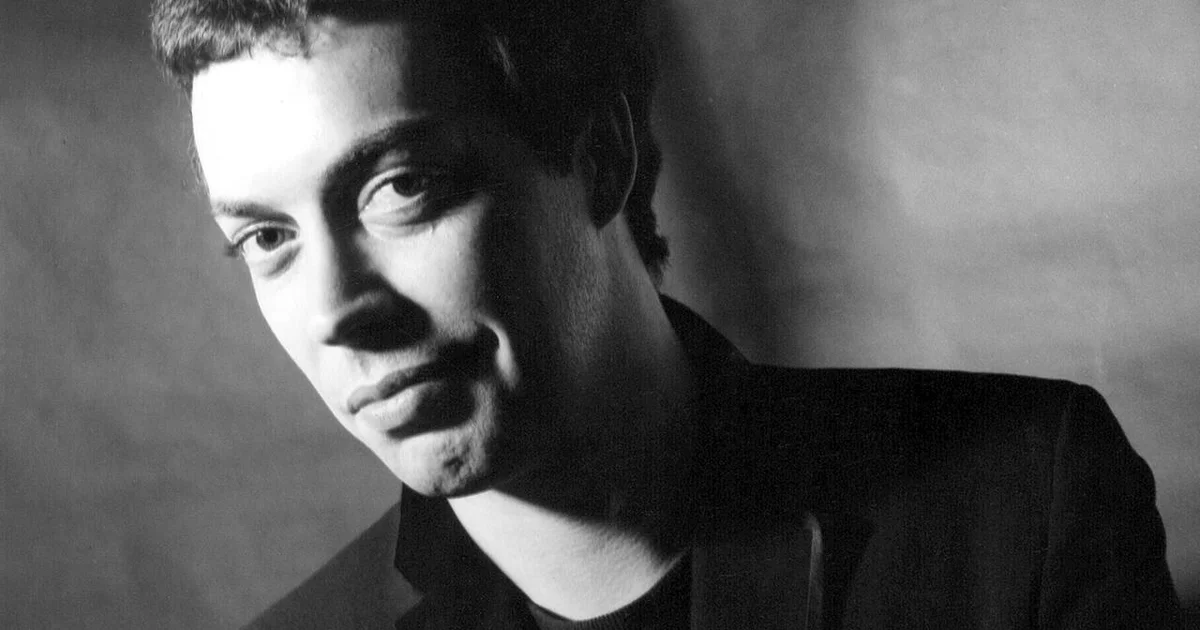

In a significant loss to the entertainment industry, acclaimed actor and singer Tim Curry has passed away at the age of 80. His manager confirmed that Curry died peacefully at his home in Toluca Lake, Los Angeles, although the cause of death has yet to be disclosed. Renowned for his dynamic performances in cult classics such as “The Rocky Horror Picture Show” and the chilling portrayal of Pennywise in the original screen adaptation of Stephen King’s “It,” Curry leaves behind a legacy of theatrical brilliance and genre-defying roles that have made a lasting impression on audiences worldwide.
| Article Subheadings |
|---|
| 1) Early Life and Career Beginnings |
| 2) Rise to Stardom in Musical Theatre |
| 3) Iconic Roles and Cultural Impact |
| 4) Reflections on Fame and Anonymity |
| 5) Personal Struggles and Legacy |
Early Life and Career Beginnings
Born in 1946 in Cheshire, England, Tim Curry grew up in a military family, constantly relocating due to his father’s service. This transient lifestyle contributed to Curry’s rich imagination and affinity for performance, which would later become his hallmark. He returned to the UK where he began his artistic journey, marking his debut in the original 1968 production of “Hair,” a groundbreaking musical that laid the foundation for his future successes. Curry’s innate talent soon captivated audiences, leading him to transition from stage to screen seamlessly.
Rise to Stardom in Musical Theatre
Curry’s career took a pivotal turn when he took on the role of Dr. Frank-N-Furter in the 1975 film “The Rocky Horror Picture Show.” This character, a flamboyant and sexually liberated scientist, became an iconic figure in pop culture and helped establish Curry as a formidable talent in musical theatre. His portrayal not only garnered critical acclaim but also turned into a cult phenomenon that has continued to resonate with audiences across generations. Curry’s performance laid the groundwork for a genre of campy comedy that would influence countless performers and artists. Following “Rocky Horror,” he acclimated quickly to various roles in musicals and comedies, showcasing his versatility and strong stage presence.
Iconic Roles and Cultural Impact
Curry is perhaps best remembered for his role as Pennywise the Clown in the 1990 miniseries adaptation of Stephen King’s “It.” This performance solidified his status as a master of horror, leaving an indelible mark on the genre. His creepy and unnerving portrayal captivated viewers, resonating with a generation that found both fear and fascination in his character. In addition to “It,” Curry’s impressive filmography includes notable appearances in classic films such as “Annie,” “Clue,” “Legend,” and “The Three Musketeers.” His talents extended beyond film, with TV roles in significant series like “Will & Grace” and adaptations of literary classics such as “Oliver Twist,” showcasing his ability to cross genres effortlessly.
Reflections on Fame and Anonymity
In an interview last October with a national news outlet, Curry discussed the enduring legacy of his character Frank-N-Furter and the impact it had on individuals seeking acceptance of their uniqueness. He noted,
“His character gave a lot of teenagers permission to be different, and I’m very happy that he did have that power.”
This acknowledgment highlighted his understanding of the transformative power of art and connection that his work fostered. Curry embraced his status but simultaneously maintained a level of mystery about his personal life. He remarked on his choice to guard certain aspects of his identity, indicating that he wanted to avoid becoming defined by fame.
Personal Struggles and Legacy
In 2012, Curry suffered a stroke that left him partially paralyzed, a challenge that changed the course of his life and his career. Despite this setback, he maintained a positive outlook on life, expressing that he had reached an age he didn’t expect to see, given his father’s history with strokes. Curry’s acceptance of mortality was candid; he shared these sentiments in his last interview:
“I suspect that in the end, I will welcome it.”
In promoting his memoir “Vagabond,” which reflects on his early life and journey, Curry also showcased his resilience and dedication to his craft. His contributions to theater and cinema are immeasurable, inspiring countless artists to embrace their differences and express themselves boldly through performance.
| No. | Key Points |
|---|---|
| 1 | Tim Curry passed away peacefully at his home in Los Angeles at the age of 80. |
| 2 | Curry was born into a military family in England and began his career in the London stage production of “Hair.” |
| 3 | He gained fame for his role as Dr. Frank-N-Furter in “The Rocky Horror Picture Show,” a role that became a cultural icon. |
| 4 | Curry’s portrayal of Pennywise in “It” left a lasting impact on horror cinema and popular culture. |
| 5 | Curry’s legacy includes influencing generations of performers and fostering acceptance through his diverse roles. |
Summary
The passing of Tim Curry marks the end of an era defined by theatrical excellence and a commitment to challenging societal norms through performance. His roles in both musical theatre and film not only entertained millions but also encouraged individuals to embrace their unique identities. As fans and colleagues remember him, Curry’s legacy as an artist will undoubtedly continue to inspire future generations.
Frequently Asked Questions
Question: What were some of Tim Curry’s most famous roles?
Tim Curry was best known for his performances as Dr. Frank-N-Furter in “The Rocky Horror Picture Show” and the villain Pennywise in Stephen King’s “It.” He also had notable roles in films like “Clue,” “Legend,” and many others.
Question: How did Tim Curry’s career begin?
Curry’s career began in the late 1960s with the original production of “Hair” in London’s West End, where he showcased his considerable talents and began to build a name for himself.
Question: What impact did Tim Curry’s characters have on audiences?
Curry’s characters often encouraged themes of acceptance and individuality, particularly through his portrayal of Frank-N-Furter, which resonated with many fans and provided a sense of permission to embrace one’s differences.
