

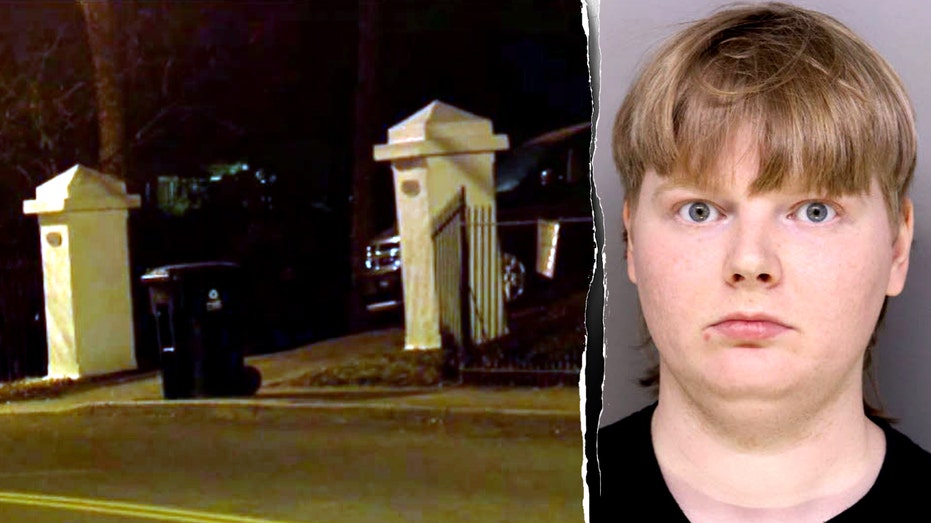

William D. DeFoor, 26, pleaded guilty in federal court Tuesday to vandalizing Vice President JD Vance’s unoccupied Cincinnati home in January. Prosecutors said the attack caused tens of thousands of dollars in damage, including more than $28,000 to government-owned security equipment. DeFoor was detained after Secret Service agents found him near the protected residence while he was carrying a hammer. His defense attorney has said the incident was not politically motivated and that DeFoor has significant mental health issues.
The case involves damage to the residence, an unmarked federal law enforcement vehicle and components of an enhanced security system. Vance and his family were in Washington, D.C., when the incident occurred.
| Article Subheadings | |
|---|---|
| 1) | Federal guilty plea follows January property attack |
| 2) | Details of the damage at Vance’s residence |
| 3) | Secret Service response and federal charges |
| 4) | Defense position and documented mental health history |
| 5) | Prosecutors condemn violence against public officials |
Federal guilty plea follows January property attack
William D. DeFoor entered his plea in federal court Tuesday, acknowledging conduct connected to the Jan. 5 attack at JD Vance’s private Cincinnati residence. The home was unoccupied at the time because Vance and his family were in Washington, D.C. DeFoor had remained jailed for nearly nine months after the incident, according to the case information.
The federal charges concerned physical violence against government officials or government property and the willful injury or depredation of U.S. government property. The guilty plea resolves the allegations that DeFoor used a hammer to damage the residence and related security equipment.
Details of the damage at Vance’s residence
According to court documents, DeFoor entered the property near the driveway and targeted an unmarked federal law enforcement vehicle positioned at the entrance. Prosecutors said he struck the vehicle’s driver-side window three times with a hammer.
He then broke multiple large, historic glass windows across the front of the home. The windows contained components of an enhanced security system, and prosecutors valued the damaged government-owned equipment at more than $28,000. The overall damage was described as totaling tens of thousands of dollars.
Secret Service response and federal charges
Secret Service agents reportedly observed DeFoor near the front fence of the protected residence around midnight. Charging documents say agents ordered him to stop and drop the weapon, but he did not comply immediately.
Secret Service agents and Cincinnati police officers eventually detained DeFoor after he tried to flee on foot. The involvement of federal property and a protected residence led to the federal prosecution. The case was handled by the U.S. Attorney’s Office for the Southern District of Ohio.
Defense position and documented mental health history
DeFoor’s defense attorney previously said the alleged assault was not politically motivated. The attorney also pointed to DeFoor’s mental health issues, which court records show have been documented in Hamilton County for more than two years.
Earlier cases included a 2023 trespassing charge after police said DeFoor refused to leave University of Cincinnati Health Psychiatric Emergency Services. He was found incompetent to stand trial, and the case was later dismissed. In 2024, he faced two vandalism counts after windows at a Hyde Park business were broken. That matter was sent to a mental health docket, with treatment ordered instead of a conviction.
Hamilton County Court later approved an application granting DeFoor’s mother legal guardianship after finding him incompetent because of mental illness. These records describe prior legal proceedings, but they do not establish a political motive for the January attack.
Prosecutors condemn violence against public officials
U.S. Attorney Dominick S. Gerace II said the prosecution reflected the seriousness of destructive violence involving government officials or property.
“Perpetrators like DeFoor, who put that freedom at risk, particularly through violent, destructive actions, will, like here, be vigorously prosecuted.”
Gerace also said that violence directed at political leaders, their families or their property would not be tolerated. He emphasized that elected officials should be able to perform their duties without threats, vandalism or other violence.
| No. | Key Point |
|---|---|
| 1 | DeFoor pleaded guilty in federal court to charges tied to the Jan. 5 attack. |
| 2 | Prosecutors said he damaged windows, a federal vehicle and security equipment. |
| 3 | The damaged government-owned security equipment was valued at more than $28,000. |
| 4 | Court records document DeFoor’s prior incompetency findings and mental health proceedings. |
Summary
The guilty plea concludes the federal case arising from the vandalism at JD Vance’s Cincinnati residence. The incident involved damage to private property and government security equipment, while the defense has highlighted DeFoor’s mental health history and rejected a political explanation. Prosecutors said the case demonstrates that violence and vandalism targeting public officials or government property will be pursued in federal court.
Frequently Asked Questions
Who pleaded guilty in the case?
William D. DeFoor, 26, pleaded guilty in federal court in connection with the vandalism of JD Vance’s Cincinnati home.
When did the vandalism occur?
The incident occurred Jan. 5, when Vance and his family were in Washington, D.C.
What property was damaged?
Prosecutors said DeFoor damaged multiple windows at the home, an unmarked federal law enforcement vehicle and components of an enhanced security system valued at more than $28,000.
What has the defense said about the incident?
DeFoor’s defense attorney said the conduct was not politically motivated and that DeFoor has mental health issues documented in prior court proceedings.
