

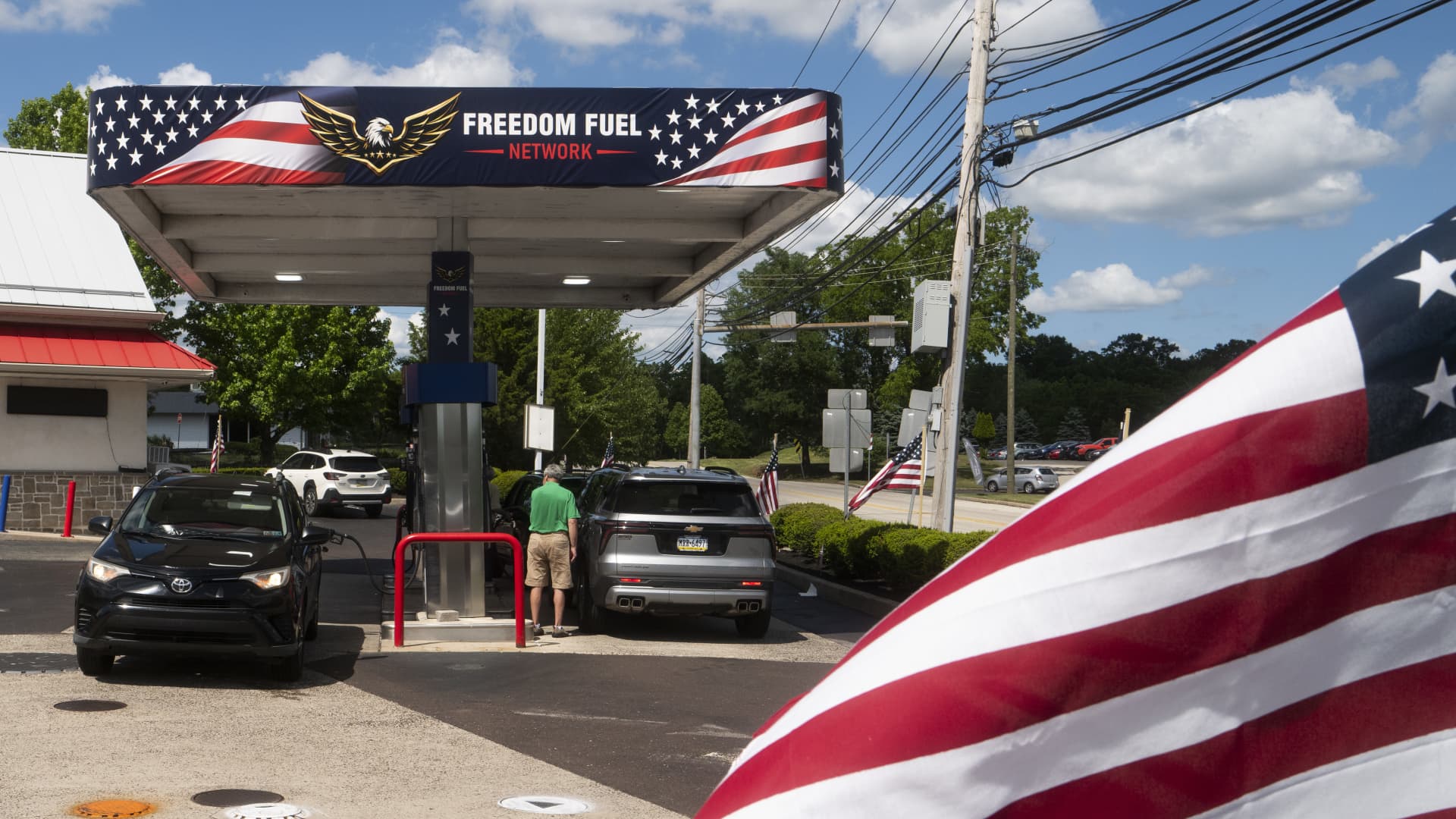

The Freedom Fuel Network has seen rapid expansion, launching a new gas station in Detroit amid controversy over legal disputes surrounding the chain’s pricing practices. Inside sources reveal that the Detroit station is offering the lowest gas prices in Michigan, significantly undercutting the average market rate. However, this expansion comes as the company grapples with a lawsuit alleging financial misconduct concerning fuel supplies, raising questions about its long-term viability and business practices.
| Article Subheadings |
|---|
| 1) Launch of New Detroit Location |
| 2) Pricing Controversy |
| 3) Legal Challenges Ahead |
| 4) Corporate Response |
| 5) Impact on the Industry |
Launch of New Detroit Location
The Freedom Fuel Network has launched a new gas station in Detroit, marking its first operation outside of New Jersey and Pennsylvania. The Detroit station, located on Harper Avenue, is selling regular unleaded gasoline at $3.47 per gallon, significantly lower than the average price of $4.09 per gallon in Michigan, as reported by the price tracking website GasBuddy. This expansion appears to capitalize on the perceived success of the Freedom Fuel Network, which began operations in early July 2026 and has rapidly expanded to become a familiar name in the gas station market across the Northeast.
Local residents have greeted the new gas station with enthusiasm, drawn by the prospect of lower fuel prices. As consumers in Michigan face increasingly high fuel costs, the entry of a competitor like Freedom Fuel could signal a shift in price dynamics in the market. However, the new location is also leaving some industry experts cautious, particularly as the company faces scrutiny over its pricing strategies and supply chain practices amidst ongoing legal challenges.
Pricing Controversy
Freedom Fuel initially captured attention for its aggressive pricing strategy, positioning itself as a low-cost fuel provider in an era of soaring fuel prices, largely influenced by global developments such as the Iran war. However, the company is now facing allegations of questionable financial practices that have resulted in a dramatic impact on its pricing model. According to a lawsuit filed by Mansfield Oil Co., Freedom Fuel’s parent company, KRSM, allegedly acquired over 1.1 million gallons of fuel without appropriate payment, casting a shadow over how the network can sustain its competitive pricing.
The suit contends that KRSM’s ability to sell fuel at such significantly reduced rates stems from failure to compensate suppliers adequately, creating a concerning ethical and legal dilemma. Furthermore, Mansfield Oil claims that KRSM has not adhered to prior court orders regarding financial management and obligations, raising concerns about potential mispricing of the fuel products they distribute. The implications point to a troubling trend where low prices may come at the cost of ethical business practices, as the credibility of Freedom Fuel hangs in a precarious balance.
Legal Challenges Ahead
As the controversy surrounding Freedom Fuel intensifies, the legal ramifications are becoming increasingly pronounced. The lawsuit against KRSM is unfolding in the Philadelphia federal court, where Mansfield Oil has accused the fuel supplier of not upholding a court-mandated minimum balance of $2.75 million in their checking account at M&T Bank. According to court filings, this account appears to be inadequately funded, risking further legal consequences for KRSM and potentially complicating matters for the broader Freedom Fuel Network.
Urs Broderick Furrer, an attorney representing Mansfield Oil, stated that the company seeks to enforce legal orders and is pressing for further discovery to trace funds allegedly dissipated or mismanaged. Judge Gerald McHugh has ordered both parties to establish a timeline for discovery by September 11, emphasizing the urgency of resolving these financial disputes. The ramifications of these legal issues could not only influence KRSM’s operations but may also affect the Freedom Fuel brand’s reputation moving forward.
Corporate Response
In response to the ongoing legal challenges and heightened scrutiny, Freedom Fuel has been vocal in defending its business practices. On its website, the company acknowledged its recent expansion and attributed its success to the community-driven approach that emphasizes lower prices for consumers. The chain expressed solidarity with those who support affordable fuel options, asserting their commitment to “put America First” as championed by endorsing figures like former President Donald Trump.
According to Freedom Fuel representatives, the company continues to navigate through the accusation-laden framework while maintaining its business model of lower prices. They dismiss claims of wrongdoing, labeling them as “misinformation and baseless speculation” aimed at undermining their efforts to provide cost-effective fuel options. This response indicates a robust PR strategy aimed at reassuring customers and potential investors while attempting to stave off any negative impacts from the litigation against KRSM.
Impact on the Industry
The emergence of the Freedom Fuel Network poses a significant challenge to traditional fuel suppliers and retailers who must now contend with a competitor willing to take considerable financial risks to attract customers. As fuel prices continue to fluctuate due to global tensions and market dynamics, Freedom Fuel’s strategy could prompt a reevaluation of pricing structures among other players in the industry. The legal issues surrounding Freedom Fuel may also have a broader impact, possibly altering course for how fuel supply transactions are conducted and regulated in the future.
Ultimately, if the allegations against Freedom Fuel hold merit, this could lead to a shake-up in the fuel industry landscape, catalyzing modifications in supply chain regulations and fostering a more transparent pricing environment. Analysts will be closely monitoring how the situation develops as both consumers and competitors grapple with the effects of a low-cost fuel model that may not be sustainable if built on shaky financial fundamentals.
| No. | Key Points |
|---|---|
| 1 | Freedom Fuel has launched a new gas station in Detroit, with prices significantly lower than rivals. |
| 2 | The network is facing a lawsuit alleging financial misconduct related to fuel supply payments. |
| 3 | Legal claims suggest that the business model of Freedom Fuel may be unsustainable due to unfulfilled payment obligations. |
| 4 | Corporate leadership has publicly defended the business, claiming a commitment to lower prices for communities. |
| 5 | The outcome of the lawsuit may reshape pricing strategies and supply practices in the fuel industry. |
Summary
The Freedom Fuel Network’s foray into the Detroit market represents both opportunity and peril for the emerging gas station chain. While ambitious pricing strategies have granted it a foothold in a competitive market, ongoing legal disputes over financial practices cast doubt on its operational integrity. As court proceedings unfold, the outcome might reverberate not only within the Freedom Fuel Network but also across the broader fuel industry, prompting stakeholders to reevaluate their own pricing and supply chain practices in light of evolving market pressures.
Frequently Asked Questions
Question: What is Freedom Fuel Network?
Freedom Fuel Network is a chain of gas stations that offers competitively low fuel prices, recently expanding its operations into Detroit, Michigan, while having initially launched in New Jersey and Pennsylvania.
Question: What allegations are being made against Freedom Fuel Network?
The Freedom Fuel Network faces allegations of financial misconduct regarding unpaid fuel supply invoices, which have led to a lawsuit filed by Mansfield Oil Co., prompting further legal scrutiny into its business practices.
Question: How do the ongoing legal issues affect fuel prices?
If the allegations against Freedom Fuel prove valid, the financial implications may force the company to raise prices to ensure sustainability, potentially affecting pricing dynamics across the industry as competitors adjust in response.
