

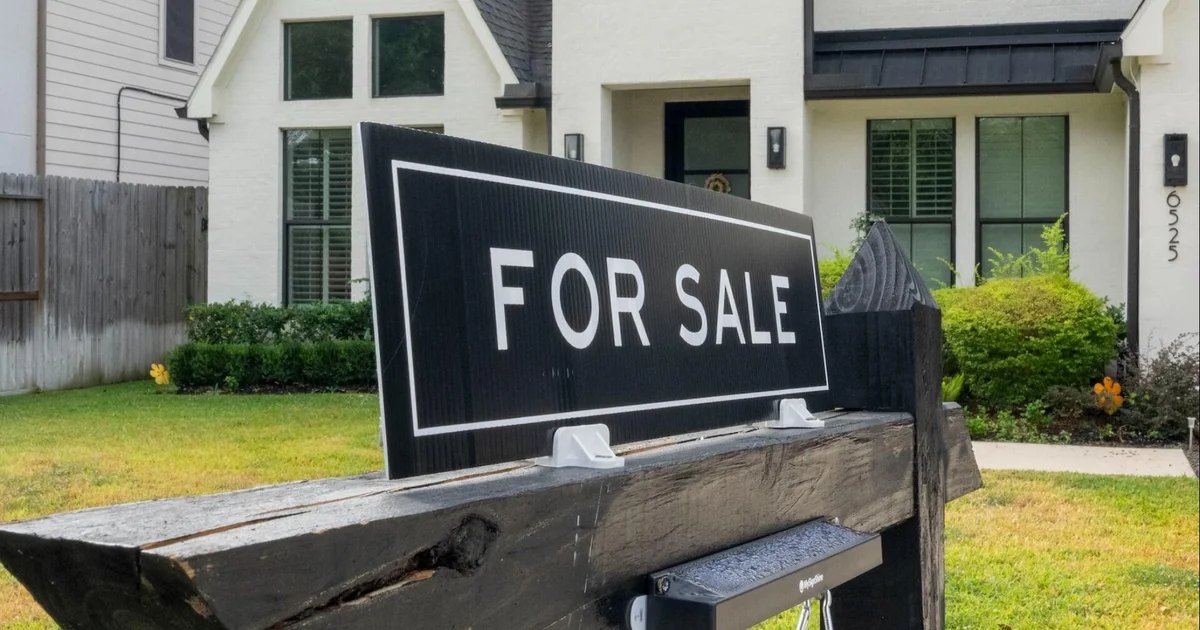

Mortgage rates are on an upward trajectory, challenging potential homebuyers as economists predict they may surpass 7% in the near future. The average rate for a 30-year fixed mortgage has risen to 6.71%, marking the highest figure seen in over a year, largely due to turmoil within the bond market and persistent inflation concerns. As the Federal Reserve considers adjusting its benchmark rates, the prospect of rising mortgage costs looms large, prompting many to curtail their home-buying ambitions.
| Article Subheadings |
|---|
| 1) Factors Driving Rising Mortgage Rates |
| 2) Impacts on Borrowers and the Housing Market |
| 3) Economic Predictions and Expert Opinions |
| 4) Opportunities Amid High Rates |
| 5) What’s Next for Mortgage Rates? |
Factors Driving Rising Mortgage Rates
The recent increase in mortgage rates can be attributed to multiple factors, particularly the volatility in the bond market. Heightened inflation concerns, especially those stemming from rising energy prices and increased U.S. government debt, have triggered a widespread global bond sell-off. This trend escalates borrowing costs across various financial products, including mortgages, auto loans, and credit cards.
Mortgage rates have a strong correlation with the yield on the 10-year Treasury bond, which has markedly increased from 4.08% to 4.77% over the past six months. Investors are now seeking higher yields in light of perceived risks associated with long-term bonds. This surge in bond yields places upward pressure on mortgage rates, contributing to a challenging environment for prospective homeowners.
Amid this backdrop, inflation continues to exceed the Federal Reserve’s target of 2% per annum, leading traders to anticipate a benchmark rate increase this month, the first adjustment since July 2023. This anticipated shift in policy will be closely watched, as it is expected to have further implications on borrowing costs and overall economic activity.
Impacts on Borrowers and the Housing Market
The current state of mortgage rates is creating substantial challenges for many potential homebuyers. The average fixed-rate mortgage has risen to its highest level in over a year, causing significant concern among those looking to purchase homes. In fact, some lenders are already quoting mortgage rates exceeding 7%, a threshold that seems increasingly likely as market conditions evolve.
As the housing market reacts to these rising rates, many experts predict a prolonged period of diminished activity. Lending expert Kate Wood from NerdWallet notes that new borrowers are increasingly seeing mortgage quotes above 7%, which has started to impact buyer behavior. Many are hesitating to enter the market with such high borrowing costs.
Consequently, potential buyers are facing difficult decisions, weighing the desire for homeownership against the prospect of escalating mortgage payments. This mix of uncertainty and caution is likely to keep the housing market subdued for the foreseeable future, as individuals and families reassess their financial strategies.
Economic Predictions and Expert Opinions
Several economists are weighing in on the current real estate climate and what it may mean for the future of mortgage rates. Senior economist Jake Krimmel from Realtor.com suggests that, while it is uncertain whether rates will officially hit the 7% mark, the trajectory points towards increasing rates in the near term. He cautions that current economic conditions indicate a preference for rates to rise rather than decrease.
“I don’t know if we’ll get to 7%, but we bet that things are going to go up sooner than they’re going to go down,”
remarked Krimmel. This sentiment reflects a broader apprehension among economists regarding the immediate future. As inflation persists, along with volatile energy prices, the risk of ongoing rate increases casts a long shadow over the housing market.
Opportunities Amid High Rates
Despite the challenges posed by rising mortgage rates, some experts argue that there might also be unforeseen opportunities for certain buyers in this landscape. While elevated mortgage rates typically translate into higher monthly payments for borrowers, they may inadvertently lower home prices due to decreased competition.
Kate Wood of NerdWallet highlights this dynamic, asserting,
“It’s not helping you money-wise with the interest rate, but it might actually be helping you money-wise on the home price because there is going to be substantially less competition.”
The implication here is that with fewer buyers actively seeking homes, there may be potential for negotiable prices, hence favoring those who are still in a position to buy.
For homebuyers willing to navigate the current situation, the decreased competition could present a window to secure a property at a more favorable price point, even with higher interest rates dampening overall affordability.
What’s Next for Mortgage Rates?
As the market braces for potential shifts in Federal Reserve policy, all eyes are fixed on upcoming economic indicators and data releases that may provide further clarity. Notably, the Labor Department is expected to release its Consumer Price Index data for August shortly. This report will be a crucial determinant in guiding investor sentiment and expectations regarding inflation and interest rates.
Furthermore, market analysts are closely monitoring bond market movements to gauge shifting investor sentiment, which will also significantly impact mortgage rates. The prevailing belief is that if inflation remains stubbornly high, rates are likely to continue their upward trend until there is a substantial shift in the economic environment.
| No. | Key Points |
|---|---|
| 1 | Mortgage rates have climbed to an average of 6.71%, the highest in over a year. |
| 2 | Investor behavior in the bond market is affecting borrowing costs across various sectors. |
| 3 | Experts predict that elevated mortgage rates may persist for an extended period. |
| 4 | While high rates present challenges, they may also lead to decreased competition in the housing market. |
| 5 | Upcoming economic data, particularly concerning inflation, will be critical in influencing future mortgage rate movements. |
Summary
The continued rise of mortgage rates poses significant challenges for aspiring homeowners, particularly as many lenders now offer rates above 7%. As economic conditions evolve, particularly concerning inflation and bond market dynamics, it is essential for potential buyers to remain informed and prepared to adapt their strategies. While higher rates can reduce purchasing power, they may also lessen competition in the housing market, creating opportunities for those willing to navigate the complexities ahead.
Frequently Asked Questions
Question: Why are mortgage rates increasing?
Mortgage rates are rising primarily due to turmoil in the bond market, driven by inflation concerns and increased government debt, which leads to higher yields on long-term bonds.
Question: How does inflation affect mortgage rates?
Higher inflation typically leads to increased borrowing costs; if inflation remains above the Federal Reserve’s target, it may prompt further rate hikes, which would elevate mortgage rates.
Question: What can homebuyers do in a high-rate environment?
Homebuyers facing higher mortgage rates can focus on negotiating home prices to take advantage of reduced competition in the market, potentially offsetting the increased cost of borrowing.
