

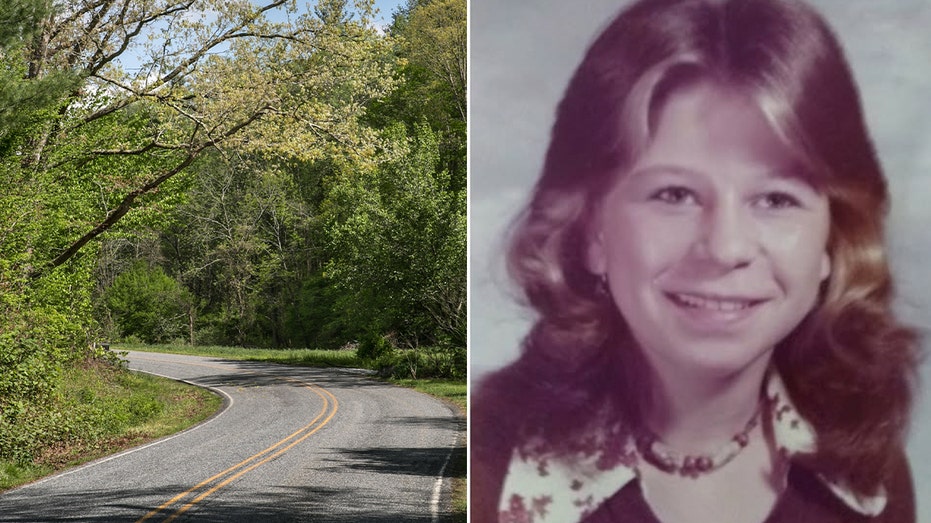

Authorities have identified human remains discovered nearly 49 years ago in North Carolina as those of Cindy Marcell Blizzard, a 15-year-old who disappeared from Maryland in 1977. The remains were found in a wooded area near a Wilson County manufacturing facility more than six months after Blizzard went missing. Her manner of death remains undetermined, but investigators are treating the case as a homicide because of the circumstances surrounding the remains. Advances in DNA testing and genetic genealogy helped produce the identification decades after the case went cold.
| 1) | Identification of the missing teenager |
| 2) | Discovery of the remains in Wilson County |
| 3) | Why the investigation remained unsolved |
| 4) | DNA and genetic genealogy breakthrough |
| 5) | Homicide inquiry and remaining questions |
Identification of the missing teenager
The North Carolina State Bureau of Investigation announced on September 8, 2026, that the remains belonged to Cindy Marcell Blizzard. Blizzard was 15 when she ran away from Monkton, Maryland, in the spring of 1977. The identification connects a long-unidentified person found in North Carolina with a missing-child case from another state. Authorities have not disclosed additional details about why Blizzard left home or the precise circumstances of her disappearance.
The identification was developed through cooperation among North Carolina investigators, the FBI’s NCIC Investigation and Operational Assistance Group, the Maryland Department of State Police Homicide Unit and the Raleigh Police Department’s Intel Unit. Their work established the identity of the teenager whose remains had resisted identification for decades.
Discovery of the remains in Wilson County
Skeletal remains and clothing were found on December 29, 1977, in a wooded area near a Firestone plant in Wilson County, North Carolina. The location was roughly five hours south of Blizzard’s Maryland home. At the time, investigators did not know who the remains belonged to or how the person had died.
A medical examiner determined that the remains had likely been at the site for between six months and two years. The examiner described the individual as a white female between 16 and 23 years old, an estimate that did not precisely match Blizzard’s age. The recovery site and the circumstances surrounding it later became important factors in the decision to investigate the death as a homicide.
Why the investigation remained unsolved
For years, investigators compared dental records from the unidentified remains with missing-person cases but found no match. The case became a cold case because the forensic methods available in 1977 could not establish the person’s identity. The passage of time also left investigators without a confirmed name for the victim and limited their ability to connect the remains to a missing teenager.
The case was reopened in 2010 by a state anthropologist, who submitted the remains for DNA testing and compared the results with federal databases. That effort did not immediately resolve the case, but it preserved the investigation for later testing as forensic science developed.
DNA and genetic genealogy breakthrough
The investigation gained new momentum in 2024, when the SBI Cold Case Investigative Team reviewed the evidence with forensic tools that had not existed in 1977. Once the case qualified for advanced DNA testing, forensic scientists extracted preserved genetic material from a bone sample.
A genealogy service used the resulting genetic profile to identify potential relatives. Those leads directed investigators toward Blizzard, the Maryland teenager who had disappeared in the spring of 1977. The identification demonstrates how preserved evidence and newer genetic analysis can advance cases that remained unresolved for generations.
Homicide inquiry and remaining questions
Authorities have not determined the official manner of death, but they are investigating the case as a homicide. The SBI said the circumstances surrounding the location and recovery of the remains raised the probability of foul play. Investigators continue to examine how Blizzard reached Wilson County, who may have encountered her, and what happened before her death.
The identification is a major step, but it does not answer the central questions surrounding the case. Investigators are still seeking information about Blizzard’s movements after she left Maryland and the events that led to the discovery of her remains near the manufacturing facility.
| Number | Key Point |
|---|---|
| 1 | The remains were found in Wilson County on December 29, 1977. |
| 2 | The victim was identified as 15-year-old Maryland runaway Cindy Marcell Blizzard. |
| 3 | Advanced DNA testing and genetic genealogy produced the breakthrough. |
| 4 | Authorities are investigating the death as a homicide, although the manner of death remains undetermined. |
Summary
The identification of Cindy Marcell Blizzard resolves the identity of a teenager whose remains were found in North Carolina nearly five decades ago. The case now moves from an unidentified-remains investigation to a homicide inquiry, with investigators using modern forensic methods to pursue answers about Blizzard’s final movements and death.
Frequently Asked Questions
Who was Cindy Marcell Blizzard?
Cindy Marcell Blizzard was a 15-year-old from Monkton, Maryland, who ran away in the spring of 1977 and was later identified as the person whose remains were found in North Carolina.
When and where were the remains found?
The skeletal remains and clothing were found on December 29, 1977, in a wooded area near a Firestone plant in Wilson County, North Carolina.
How was the identification made?
Forensic scientists extracted preserved DNA from a bone sample. A genealogy service used the genetic profile to identify potential relatives, leading investigators to Blizzard.
Why is the case being investigated as a homicide?
Authorities said the circumstances surrounding the location and recovery of the remains raised the probability of foul play. The official manner of death has not been determined.
