

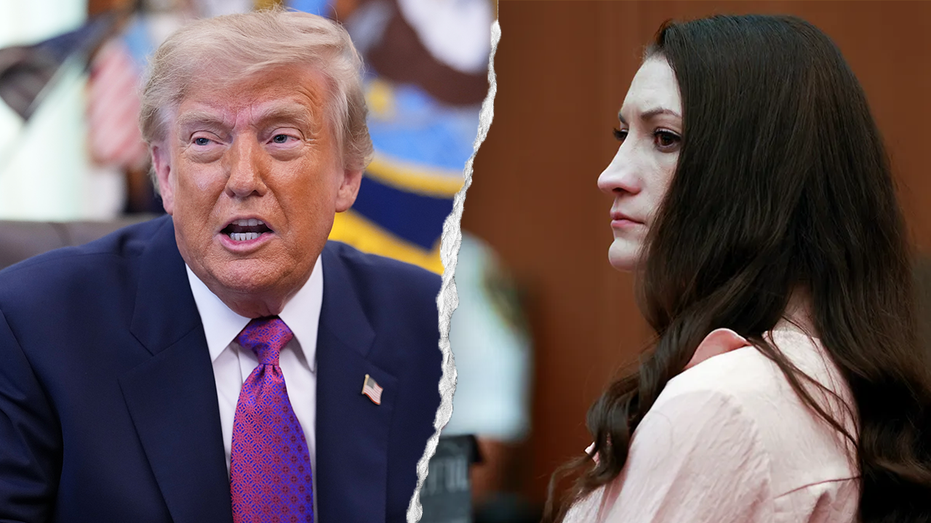

Lindsay Clancy’s attorney has appealed to President Donald Trump for a pardon after a mistrial in the Massachusetts case involving the deaths of her three children. Legal experts said the request is unlikely to succeed because the president generally cannot pardon state crimes, while questioning whether the strategy could damage the defense’s credibility. The case may now proceed toward a retrial, plea discussions or both. Prosecutors would also face pressure to strengthen their expert testimony if they bring the charges again.
| 1) | Pardon request faces legal limits |
| 2) | Defense strategy and political pressure |
| 3) | Mistrial leaves several paths open |
| 4) | Prosecution experts could shape a retrial |
| 5) | Attorney-client closeness draws scrutiny |
Pardon request faces legal limits
Kevin Reddington, who represents Lindsay Clancy, made the appeal during a television interview on Tuesday, asking Donald Trump to consider a pardon for his client. Clancy, a 36-year-old former nurse, is charged with three counts of first-degree murder in the deaths of her children, 5-year-old Cora Clancy, 3-year-old Dawson Clancy and 8-month-old Callan Clancy.
The children died at the family’s home in Duxbury, Massachusetts, in January 2023. Afterward, Clancy attempted to take her own life and suffered injuries that left her paralyzed. Mark Bederow, a New York criminal defense attorney who has followed the proceedings, said the federal pardon power does not provide a clear legal route for ending a Massachusetts state prosecution.
“There isn’t going to be a pardon for the simple reason there is no mechanism by law which would allow said pardon,” Mark Bederow said.
Defense strategy and political pressure
Reddington said Clancy’s life was damaged after she received treatment for postpartum depression from a doctor he characterized as inexperienced. He also acknowledged in a separate interview that Trump had no legal grounds to pardon a state defendant, but suggested the president’s public influence could affect the case indirectly.
Reddington said a presidential approach to Plymouth County District Attorney Tim Cruz might create pressure, even though Cruz’s office would retain authority over the Massachusetts prosecution. Josh Ritter, a Los Angeles attorney, said the public appeal could be intended to strengthen the defense’s position in possible plea negotiations by drawing political attention to the case.
“I think he knows that this will publicly agitate this entire case and perhaps be beneficial to him in plea negotiations with the district attorney,” Josh Ritter said.
Mistrial leaves several paths open
Judge William Sullivan declared a mistrial on Friday after jurors failed to reach a unanimous verdict following a full week of deliberations. The trial focused on whether Clancy was criminally responsible when she strangled each child with exercise bands, as prosecutors alleged, or whether postpartum psychosis prevented her from understanding or controlling her actions, as the defense argued.
The deadlocked jury does not resolve the charges. Prosecutors could seek a new trial, while the defense could continue exploring a negotiated resolution with Cruz’s office. Reddington said he was open to discussing a potential deal after the mistrial, leaving the case at a procedural crossroads.
Prosecution experts could shape a retrial
Bederow said a retrial would likely depend heavily on the prosecution’s medical and psychological evidence. He argued that prosecutors would need experts with appropriate expertise who could directly address the defense expert’s testimony and explain why its conclusions should not be accepted.
That challenge is especially significant because Massachusetts law places the burden of proving criminal responsibility on the prosecution. Bederow said prosecutors would have difficulty prevailing unless they thoroughly undermined the defense account of postpartum psychosis. The location and timing of any retrial remain undecided, but the expert evidence would again be central to the case.
Attorney-client closeness draws scrutiny
Donna Rotunno, a Chicago criminal defense attorney, said Reddington’s personal investment in Clancy was understandable but could become a professional concern if it affected his judgment. Reddington has described viewing his client much like a daughter and has been praised by some legal analysts for his work during the trial.
Bederow similarly questioned the value of making a request that many observers consider legally unavailable. He said the public discussion had shifted attention away from the legal issues and toward the unusual appeal for presidential intervention. Reddington did not immediately respond to requests for further comment.
| 1 | The defense asked Donald Trump to consider a pardon in a Massachusetts state case. |
| 2 | Legal experts said the request faces major jurisdictional limits. |
| 3 | A mistrial followed a jury deadlock after a week of deliberations. |
| 4 | A retrial could depend on stronger prosecution experts addressing postpartum psychosis evidence. |
| 5 | The defense may pursue plea negotiations while prosecutors decide whether to retry the case. |
Summary
The pardon appeal has added a political dimension to a case that remains controlled by Massachusetts prosecutors and courts. Its practical effect is uncertain, but legal analysts said it could create credibility concerns for the defense. If prosecutors pursue a retrial, the quality and clarity of their expert testimony will be central to overcoming the defense’s postpartum psychosis argument.
Frequently Asked Questions
Can the president pardon Clancy in this case?
Legal experts said the president generally lacks authority to pardon crimes prosecuted under state law, including the Massachusetts charges facing Clancy.
Why was a mistrial declared?
Judge William Sullivan declared a mistrial after jurors were unable to reach a unanimous verdict following a full week of deliberations.
What could happen next?
Prosecutors could seek a retrial, while Clancy’s defense could pursue plea discussions with the office of District Attorney Tim Cruz.
