

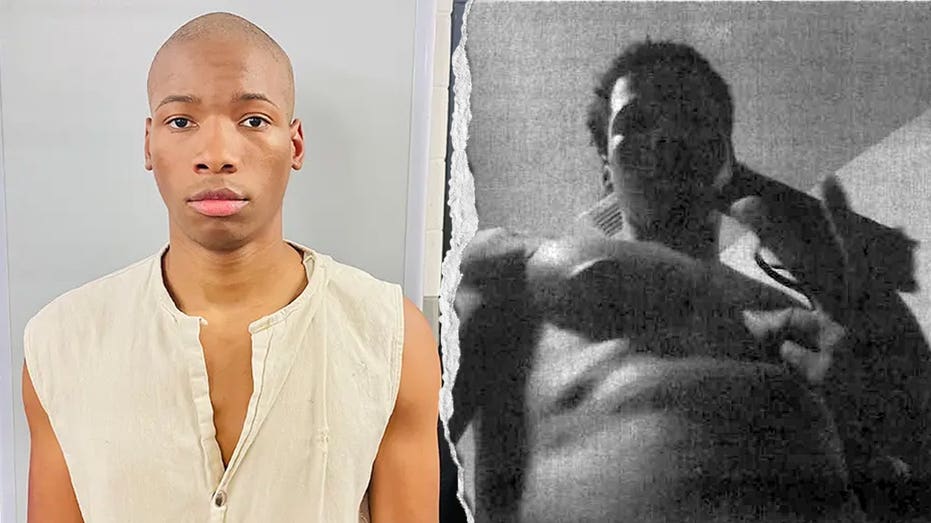

A 75-page filing listing alleged threats, violent messages and prior misconduct linked to Karmelo Anthony did not guarantee that jurors would hear those allegations at trial. Texas attorney Tiffany Burks, a former prosecutor, said a notice filed under Texas Rule of Evidence 404(b) primarily gives the defense advance warning about evidence prosecutors may seek to introduce. The filing has drawn renewed attention as Anthony pursues a new trial, arguing that confusion over character evidence affected his decision not to testify. Anthony was convicted of murdering 17-year-old Austin Metcalf at a Frisco high school track meet and sentenced to 35 years in prison.
| 1) | The filing was notice, not admitted evidence |
| 2) | What prosecutors listed before trial |
| 3) | Why Rule 404(b) matters in self-defense claims |
| 4) | How the filing relates to the conviction |
| 5) | The unresolved question for the new-trial effort |
The filing was notice, not admitted evidence
Prosecutors submitted the Rule 404(b) notice in Collin County roughly one month before Anthony’s murder trial. The document identified prior acts that prosecutors might ask the judge to admit, allowing defense attorneys time to investigate the allegations and prepare responses. It did not establish that every alleged incident occurred, and it did not mean jurors would automatically see the material.
Tiffany Burks said the notice operated as a safeguard against surprise rather than as a completed evidentiary ruling.
“The law requires that you file a 404(b) notice so that you can give the other side notice of what it is you may want to put in trial because the parties have to be prepared.”
What prosecutors listed before trial
The filing described allegations reaching back to Anthony’s school years in Louisiana, including repeated fights, suspensions, threats, assaults and other misconduct. Prosecutors also cited text messages in which Anthony allegedly discussed anger, fighting, firearms, robberies and narcotics. The notice included alleged messages such as “When I get mad i see red” and “When I get mad i blackout,” along with photographs and videos that prosecutors said appeared to show him with firearms.
Prosecutors cautioned that some screenshots represented only portions of larger conversations and that the listed conduct was separate from the charged offense. Jeff Metcalf, Austin Metcalf’s father, later said he was unaware of the breadth of the allegations until reviewing the filing after trial.
Why Rule 404(b) matters in self-defense claims
Rule 404(b) generally bars prosecutors from introducing prior acts solely to argue that a defendant has a bad character. A judge may allow such evidence for another legally permitted purpose, including issues involving intent or the circumstances of a confrontation.
That distinction was significant because Anthony argued that he acted in self-defense when he fatally stabbed Austin Metcalf during an altercation beneath a track-meet tent at a Frisco high school on April 2, 2025. Burks explained that prosecutors may use prior conduct to argue that a defendant was the first aggressor or to rebut a defensive theory, subject to the judge’s evidentiary ruling.
“The prosecution can file a 404(b) notice to provide some information that can show that the defendant was, in fact, the first aggressor in the situation by showing information of previous aggressive acts.”
How the filing relates to the conviction
The jury ultimately rejected Anthony’s self-defense claim after hearing testimony from more than 20 witnesses and reviewing surveillance video from the track meet. In June, the Collin County jury convicted him of murder, and he received a 35-year prison sentence.
The existence of the 404(b) notice does not show that all of its contents were presented to the jury. Each proposed item still required prosecutors to seek admission and the judge to determine whether it met the rules of evidence. Burks said prosecutors sometimes include extensive material in a notice to preserve the option of using it if circumstances at trial make it relevant.
The unresolved question for the new-trial effort
Anthony’s request for a new trial focuses in part on an alleged pretrial agreement concerning character evidence. He argues that confusion about the agreement influenced his decision not to testify, while prosecutors dispute that account.
The 75-page notice has therefore become relevant to the post-trial dispute, but its length alone does not resolve whether the evidence was admissible or whether it affected the verdict. Any new-trial review would have to address the agreement, the trial record and the court’s rulings on evidence.
| Number | Key Point |
|---|---|
| 1 | A Rule 404(b) notice identifies evidence prosecutors may seek to use. |
| 2 | A judge must decide whether each item is admissible. |
| 3 | The notice included alleged threats, fights, firearms references and violent messages. |
| 4 | Anthony was convicted after asserting self-defense in the fatal track-meet confrontation. |
Summary
The central legal point is that a Rule 404(b) notice is advance disclosure, not a ruling that evidence will reach a jury. Prosecutors used the filing to preserve the ability to seek admission of alleged prior conduct if it became relevant to issues such as self-defense or first aggression. Whether the filing has significance in Anthony’s new-trial effort will depend on the agreement at issue, the trial record and the court’s evidentiary decisions.
Frequently Asked Questions
Does a Rule 404(b) notice mean jurors will hear all the listed allegations?
No. The notice gives the defense advance information about evidence prosecutors may seek to introduce. A judge must decide whether each item is admissible.
Why did prosecutors file the notice in Anthony’s case?
The notice preserved prosecutors’ ability to argue that certain prior conduct was relevant to issues such as intent, first aggression or rebutting Anthony’s self-defense claim.
What was the outcome of Anthony’s trial?
A Collin County jury convicted Karmelo Anthony of murdering Austin Metcalf and sentenced him to 35 years in prison after hearing witness testimony and reviewing surveillance video.
