

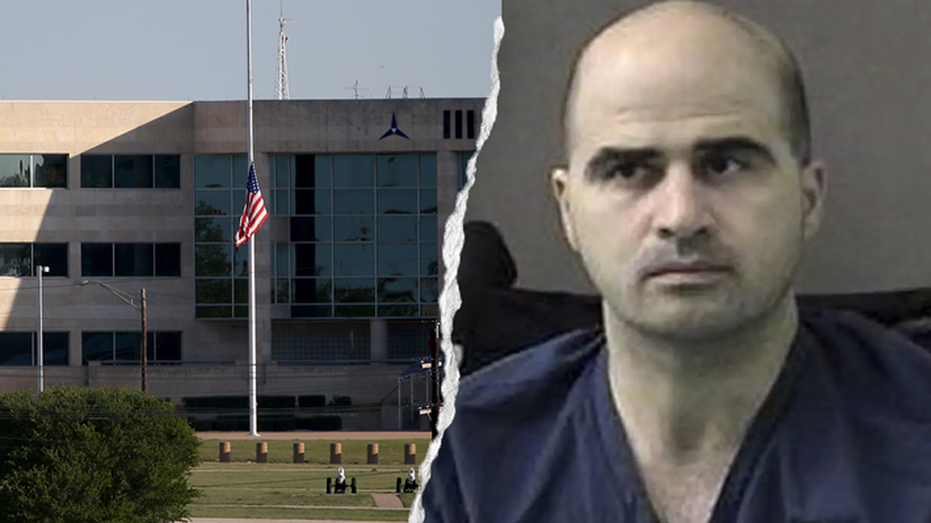

The planned firing squad execution of Nidal Malik Hasan at Fort Leavenworth could influence how capital punishment is carried out in the United States. Hasan was sentenced to death for killing 13 people and wounding 32 others in a 2009 mass shooting at Fort Hood. The execution is scheduled for December 3, 2026, with the Pentagon confirming that authorities plan to livestream it. A legal expert says a quick and orderly execution could encourage other jurisdictions to consider firing squads.
The method has gained attention as states face shortages of lethal injection drugs and renewed questions about whether injections can be carried out reliably. However, concerns about a recent South Carolina execution have also highlighted the risk that firing squads may not always produce the intended outcome.
| 1) | The planned Fort Hood execution |
| 2) | Why firing squads are gaining attention |
| 3) | The historical military context |
| 4) | The South Carolina warning |
| 5) | What the execution could mean nationally |
The planned Fort Hood execution
Nidal Malik Hasan is imprisoned at the U.S. Disciplinary Barracks at Fort Leavenworth, Kansas. He received a death sentence in 2013 after the 2009 attack at the Texas Army base, where 13 people died and 32 were wounded. The administration announced the planned military execution earlier in October 2026, and the Pentagon said it is scheduled for December 3. The proceeding would mark a significant modern use of a firing squad by the U.S. military.
Why firing squads are gaining attention
Deborah Denno, a Fordham Law professor and capital punishment specialist, said firing squads are viewed by some experts as quicker and more predictable than lethal injection. Idaho, Utah and South Carolina have adopted or considered the method as access to lethal injection drugs has become more difficult and several injection procedures have faced controversy.
“The firing squad is considered to be more certain. It’s considered to be quicker, and it’s also considered to be the, what I call the least inhumane method of execution.”
Denno also said trained shooters are widely available among police, corrections personnel and others with professional or recreational firearms experience. Supporters argue that this expertise can reduce the risk of a prolonged procedure, while critics continue to question the morality and constitutionality of executions by any method.
The historical military context
The Army said the last U.S. military execution was that of Pvt. John A. Bennett at Fort Leavenworth on April 13, 1961. Bennett was hanged after being convicted of rape and attempted murder. The planned Fort Hood execution would therefore represent a return to a military capital punishment process not used by the United States in decades.
Denno has previously described firing squads as comparatively effective in American history, although the total number of such executions has been limited. She said only a small number of earlier incidents raised serious questions about whether the intended target was struck.
The South Carolina warning
The method also faces scrutiny after the execution of South Carolina death row inmate Mikal Mahdi. Mahdi had been convicted of killing store clerk Christopher Boggs and off-duty officer James Myers in 2004. He selected a firing squad over lethal injection and the electric chair.
After the execution, Mahdi’s lawyers questioned whether the three bullets struck the intended area of the heart. Forensic pathologist Jonathan Arden, who was hired by the defense, said evidence indicated that only two bullets struck Mahdi and that the injuries may have resulted in a more prolonged death process. Denno called the case a “troublesome outcome” that should be considered before the December execution.
What the execution could mean nationally
Denno said a rapid and orderly execution at Fort Leavenworth could make other states more willing to use firing squads. She cautioned that the result would not prove the method is free of complications, since observers cannot fully know what a condemned person experiences during an execution.
“If firing squad is successful here and successful in quotes because we still don’t always know what a person is going through, but let’s say it’s a very quick execution, that it seems conceivable that it would be used on other inmates as well.”
The case will be watched by states that retain capital punishment and are seeking alternatives to lethal injection. Its impact will depend not only on the procedure itself, but also on legal challenges, public reaction and whether other jurisdictions view the military process as a workable model.
| Number | Key Point |
|---|---|
| 1 | Hasan’s military execution is scheduled for December 3, 2026. |
| 2 | Firing squads are gaining attention as lethal injection reliability and drug access remain concerns. |
| 3 | The Army’s last reported execution was in 1961. |
| 4 | The South Carolina execution of Mahdi raised questions about shot placement and duration. |
| 5 | A smooth military execution could encourage broader use of firing squads. |
Summary
The planned execution of Nidal Malik Hasan could become a test case for the future of firing squads in the United States. Supporters point to speed, trained personnel and fewer historical complications than lethal injection, while the Mahdi case demonstrates that the method can also face serious questions. The December proceeding is likely to receive close attention from states considering alternatives to lethal injection.
Frequently Asked Questions
Who is scheduled to be executed by firing squad?
Nidal Malik Hasan, who was sentenced to death for the 2009 Fort Hood mass shooting, is scheduled to be executed at Fort Leavenworth on December 3, 2026.
Why are firing squads receiving renewed attention?
Some states are considering firing squads because lethal injection drugs can be difficult to obtain and recent injection failures have raised questions about the method’s reliability.
What concerns have been raised about firing squads?
In the South Carolina execution of Mikal Mahdi, defense lawyers questioned whether the bullets struck the intended area and whether the injuries caused a prolonged death process.
