

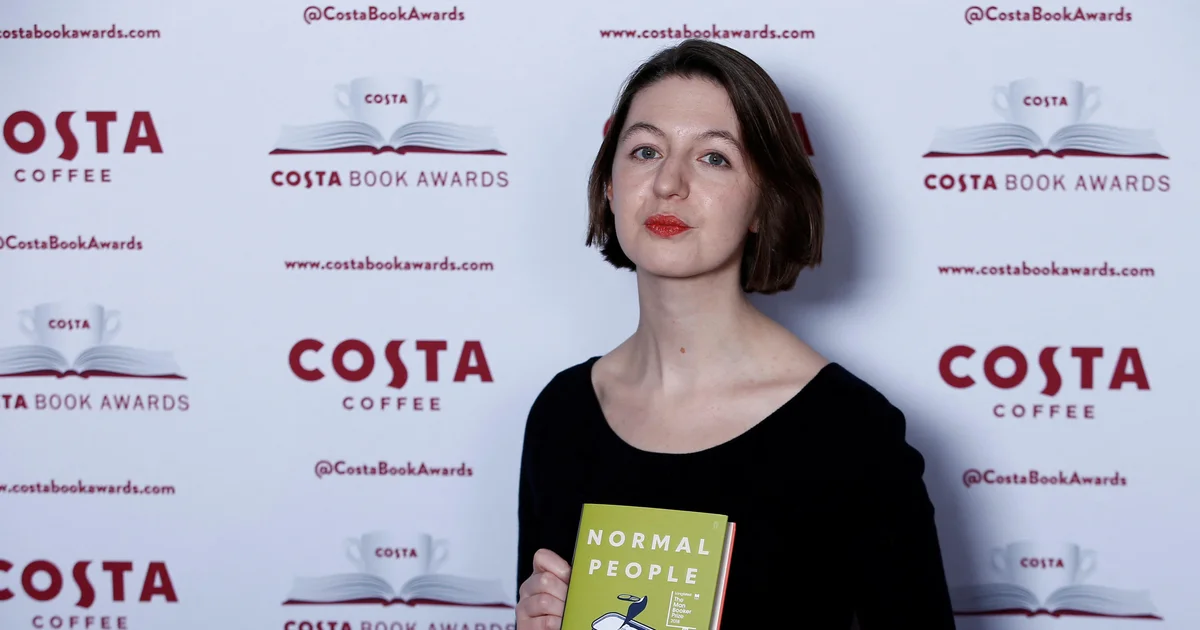

In a significant and controversial move, acclaimed Irish author Sally Rooney has seen her works pulled from UK booksellers as a result of her public endorsement of Palestine Action, an organization that has been classified as a terrorist group in the United Kingdom. This decision has raised questions about freedom of expression and the potential legal repercussions for those who support such movements. Following the announcement from her publisher, Faber, the implications of this situation extend beyond the literary world, touching on broader themes of activism, censorship, and legal frameworks concerning free speech.
| Article Subheadings |
|---|
| 1) Background on Sally Rooney and her Literary Impact |
| 2) Understanding Palestine Action’s Objectives and Actions |
| 3) Legal Implications of Supporting a Banned Organization |
| 4) Public Reaction and Activism Surrounding the Ban |
| 5) The Future of Free Speech and Artistic Expression |
Background on Sally Rooney and her Literary Impact
Sally Rooney, hailed as one of the most significant literary voices of her generation, gained international acclaim for her novels “Normal People” and “Conversations with Friends.” Both works have transcended the literary realm, receiving adaptations for television that have brought her storytelling to wider audiences. Born in Castlebar, Ireland, Rooney’s writing often delves into intricate portrayals of relationships, social dynamics, and the human condition, positioning her as a substantial figure in contemporary literature.
In addition to her literary successes, Rooney is known for her outspoken views on social and political issues, often using her platform to engage in meaningful discourse. Her recent support for Palestine Action, which aims to draw attention to the Palestinian cause through direct action, marks a significant point in her advocacy, revealing her willingness to align with contentious movements despite potential backlash in the literary and publishing sectors.
Understanding Palestine Action’s Objectives and Actions
Established in 2020, Palestine Action is a direct-action group in the UK that aims to protest against companies and entities it believes are complicit in the oppression of Palestinians. The organization has engaged in various protests and acts of sabotage targeting what it considers to be suppliers of military resources to Israel, framing its activities as efforts to end what it describes as a “genocidal apartheid regime.” Central to its mission is the idea of drawing public attention to the plight of the Palestinian people and mobilizing people to take direct action against perceived injustices.
The group has gained both support and criticism, as its tactics often blur the lines between acceptable protest and criminal acts. In July 2025, the UK government officially declared Palestine Action a terrorist organization, citing numerous instances of criminal damage and protests that escalated to violence. The decision garnered widespread media coverage, both lauding and condemning the group’s actions.
Legal Implications of Supporting a Banned Organization
The UK’s designation of Palestine Action as a terrorist entity carries serious legal implications, particularly for individuals and organizations that declare their support for it. Under current UK laws, it is illegal to be a member of or publicly support any group classified as a terrorist organization. This situation places artists, authors, and other public figures in a precarious position where their advocacy may lead to criminal investigations or severe public backlash.
For Sally Rooney, her explicit intention to use earnings from her works to fund Palestine Action raises potential questions regarding her legal standing and the repercussions of her public statements. Publishers, like Faber, face ethical dilemmas when supporting authors with controversial views, especially when laws contrast with principles of free expression. The combination of social activism and literary expression ignites a debate over the boundaries of free speech in a climate where certain narratives are being actively suppressed.
Public Reaction and Activism Surrounding the Ban
The announcement of Rooney’s books being withdrawn from the UK market has sparked a considerable public outcry and fueled ongoing protests against the UK government’s stance on Palestine Action. Many supporters of the organization have taken to the streets, demanding the repeal of the ban and advocating for the right to express solidarity with the Palestinian cause without fear of legal retribution. Demonstrators argue that the government’s actions infringe upon the right to freedom of expression, impacting not only the arts but also civic engagement.
In a related development, statistics released by the Home Office indicate an unusual demographic distribution among those arrested for supporting Palestine Action, with an average age of 59 years of those detained compared to 28 for general terrorism-related arrests. This demographic skew has led to discussions about the nature and motivations of activism in the UK, prompting questions on generational attitudes towards social justice and civil liberties.
The Future of Free Speech and Artistic Expression
The current controversy surrounding Sally Rooney and Palestine Action serves as a lens through which the future of free speech and artistic expression can be examined. In a world where writers and artists increasingly feel compelled to take stances on political issues, the pushback from governments or organizations labeling those stances as criminal complicates an already sensitive debate. Advocates for free expression warn against the chilling effects such bans can have on creativity and discourse, fearing that authors may self-censor rather than risk legal consequences.
The implications of this situation extend beyond Rooney; they highlight critical intersections between art, politics, and legality. As more authors and public figures engage in activism, the potential for clashes with established laws increases, raising the question of how societies will navigate the fine line between expressing opinions on sociopolitical issues and adhering to legal restrictions.
| No. | Key Points |
|---|---|
| 1 | Sally Rooney’s works are no longer available in the UK due to her support for Palestine Action. |
| 2 | Palestine Action is recognized as a terrorist group by the UK government for its direct actions against arms manufacturers. |
| 3 | Legal ramifications of supporting a banned organization include potential criminal charges. |
| 4 | Public protests against the ban highlight broader concerns about freedom of expression and activism in the UK. |
| 5 | The situation raises important questions regarding the intersection of art, politics, and law. |
Summary
The withdrawal of Sally Rooney‘s books from UK bookshelves punctuates a critical intersection of literature, activism, and legal regulation in contemporary society. As an influential figure, Rooney’s actions and their consequences bring focus to the broader implications for artists and public figures who dare to advocate for social change within complex legal frameworks. This controversy sheds light on the ongoing struggle for freedom of speech faced by many, representing a pivotal moment in the discourse surrounding activism and artistic expression in an increasingly polarized world.
Frequently Asked Questions
Question: Why were Sally Rooney’s books withdrawn from UK booksellers?
Her books were withdrawn due to her public support for Palestine Action, which has been designated a terrorist organization in the UK, leading to legal complications for the publisher.
Question: What is Palestine Action and what are its primary goals?
Palestine Action is a direct-action group aimed at protesting against companies believed to be complicit in oppressing Palestinians, often through direct protests and acts of sabotage.
Question: What legal risks does supporting a banned organization entail in the UK?
It is a criminal offense to be a member of or publicly support a designated terrorist organization, which could result in prosecution under UK law.
