

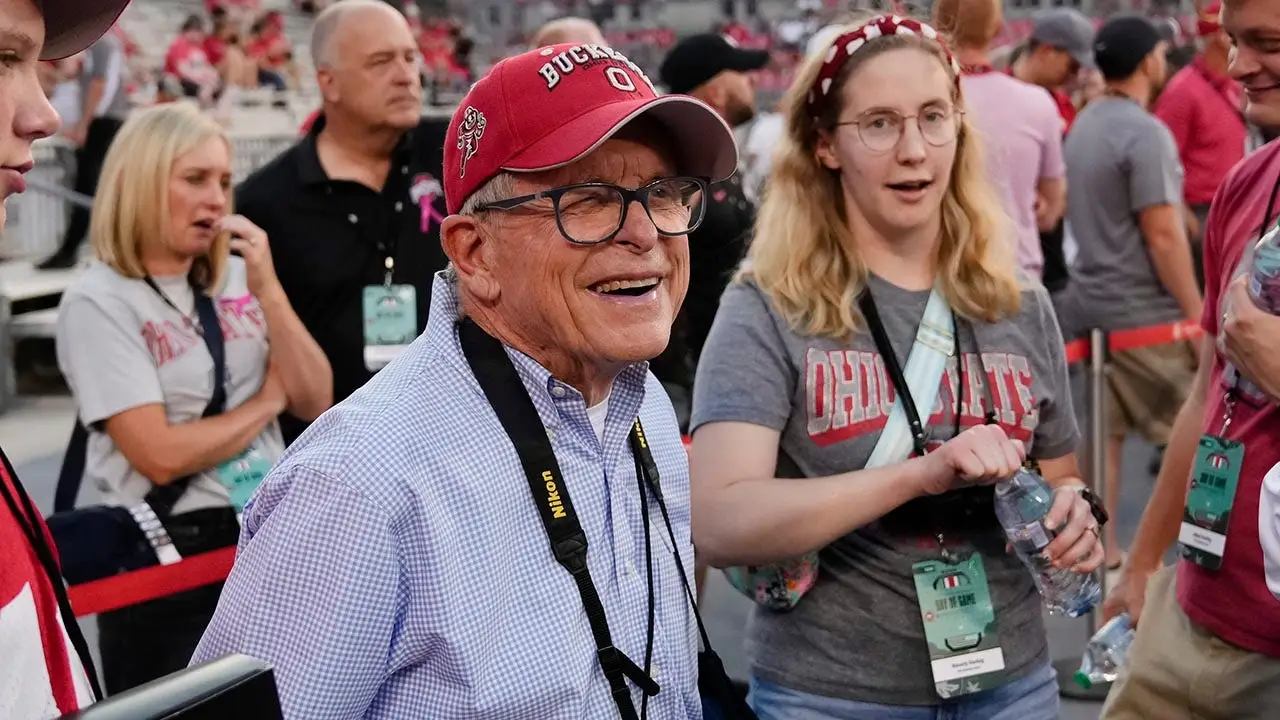

The NCAA has filed a lawsuit against Ohio Governor Mike DeWine following his executive order granting athletes from the Class of 2022 the opportunity for an additional college sports season. This action stems from DeWine’s directive allowing these athletes to compete, countering NCAA’s new eligibility rule established earlier this year. The lawsuit, described by NCAA President Charlie Baker as an extraordinary measure, aims to maintain competitive equity in college athletics amid an evolving legal landscape.
| Article Subheadings |
|---|
| 1) Overview of the Executive Order and NCAA’s Response |
| 2) Implications for Ohio’s College Athletes |
| 3) Legal Context of NCAA Regulations |
| 4) Reactions from the College Sports Community |
| 5) Future Considerations for the NCAA and College Sports |
Overview of the Executive Order and NCAA’s Response
On October 3, 2025, Governor Mike DeWine signed an executive order allowing athletes from high schools who graduated in 2022 the chance to compete for a fifth college season. This decision was a direct challenge to a new NCAA eligibility rule implemented earlier in June 2025, which states athletes who have participated in four seasons are no longer eligible to compete in collegiate sports. The NCAA responded promptly, filing a lawsuit in federal court in Ohio to contest the executive order, claiming it would disrupt the established norms within college athletics.
In his lawsuit, NCAA President Charlie Baker termed the initiative as an “extraordinary step” to protect fairness among college teams. The lawsuit aims to uphold NCAA regulations that govern the eligibility of athletes, asserting that DeWine’s move would create an unfair advantage for Ohio’s colleges over their competitors nationwide. Baker expressed concerns that such actions could lead to a slippery slope if other states were to follow suit.
Implications for Ohio’s College Athletes
The situation raises significant implications for the landscape of college athletics in Ohio, particularly for eight Division I athletic programs including the notable Ohio State Buckeyes and Cincinnati Bearcats. With DeWine’s order allowing 2022 graduates to compete despite NCAA restrictions, athletes previously sidelined due to the eligibility rules are once again in play. This brings renewed hope for those athletes eager to extend their athletic careers.
Ohio’s booster clubs and fans now face a blended atmosphere of excitement and uncertainty regarding the potential outcomes of the legal battle. Should the executive order be upheld by the courts, it could lead to a significant shift in roster compositions and overall performance for Ohio schools, potentially elevating them during a critical recruitment period. However, if NCAA regulations prevail, many players may find themselves at a loss as they prepare for the upcoming season under a cloud of uncertainty about their eligibility.
Legal Context of NCAA Regulations
The NCAA has a long history of enforcing its eligibility standards, often leading to legal challenges from various states. Previously, the organization engaged in a successful lawsuit against former Nevada Governor Bob Miller in the 1990s concerning similar issues of state interference with NCAA rules. The current case reflects ongoing tensions between state legislatures and sports governing bodies, as individual states push for autonomy in determining athletic eligibility.
The Ohio Supreme Court is currently reviewing the legality of Governor DeWine‘s executive order, which adds another layer of complexity. The court has already paused an appeals court ruling that had declared 2022 athletes ineligible for college sports. Both sides have been asked to submit briefs by the upcoming Monday as the clock ticks down for a decision that could alter the electoral landscape for college athletes in Ohio.
Reactions from the College Sports Community
Responses to this legal battle have unfolded across the college athletics spectrum, with sentiments ranging from amusement to concern. Notably, Danny White, athletic director at the University of Tennessee, described the current situation as “comical.” Such remarks indicate a growing perception among some administrators that the complexities of eligibility standards have increasingly become a spectacle rather than a serious concern for aspiring athletes.
Interestingly, the situation has also garnered support from notable figures within Ohio. Jim Tressel, the state’s Lieutenant Governor and a former championship-winning coach at Ohio State, has voiced his backing of the executive order. His involvement reflects a broader commitment to supporting Ohio college athletes, highlighting the rifts forming within administrative ranks with respect to NCAA governance.
Future Considerations for the NCAA and College Sports
As the legal tussle progresses, the future for the NCAA remains uncertain. With increasing debates surrounding players’ rights and the pressures for federal oversight, the NCAA has called on Congress to establish rules to protect its regulations from state-level legal challenges. The pending Protect College Sports Act, which has passed in the Senate, aims to provide that protection, though its future in the House remains tenuous, particularly in an election year.
Moving forward, the results of this case could set precedents impacting not only Ohio but potentially other states seeking similar legal challenges against NCAA regulations. Should the NCAA fail to halt DeWine’s executive order, it might embolden leaders in other states to pursue similar paths, further fracturing a sport that thrives on uniform eligibility guidelines.
| No. | Key Points |
|---|---|
| 1 | The NCAA has filed a lawsuit against Ohio Governor Mike DeWine regarding his executive order on athlete eligibility. |
| 2 | DeWine’s order allows Class of 2022 athletes an additional college season contrary to NCAA guidelines. |
| 3 | Reactions from the athletic community highlight a mix of support and criticism toward the executive order. |
| 4 | The Ohio Supreme Court’s decisions will play a pivotal role in the legality of DeWine’s executive order. |
| 5 | The outcome of ongoing legal battles may reshape NCAA boundaries and eligibility standards nationwide. |
Summary
The ongoing legal battle between the NCAA and Governor Mike DeWine of Ohio marks a crucial point in college athletics, challenging the traditional governance of eligibility across competing programs. As the Ohio Supreme Court deliberates on the executive order that could redefine athlete eligibility, both NCAA regulations and the fate of countless athletes hang in the balance. The developments from this case could set a precedent influencing not just Ohio, but the larger framework of college sports in America.
Frequently Asked Questions
Question: What is the significance of the NCAA’s lawsuit against a governor?
The lawsuit signifies a rare instance of the NCAA challenging state authority over athletic eligibility, marking a potential turning point in state and NCAA relations as they grapple with differing rules.
Question: How might DeWine’s executive order affect athletes from other states?
If upheld, DeWine’s order could lead to similar actions by governors in other states, resulting in fragmented eligibility rules across the nation.
Question: What is the Protect College Sports Act?
The Protect College Sports Act is legislation aimed at providing the NCAA with protections against state-level legal challenges regarding its eligibility rules, though its future remains uncertain.
