

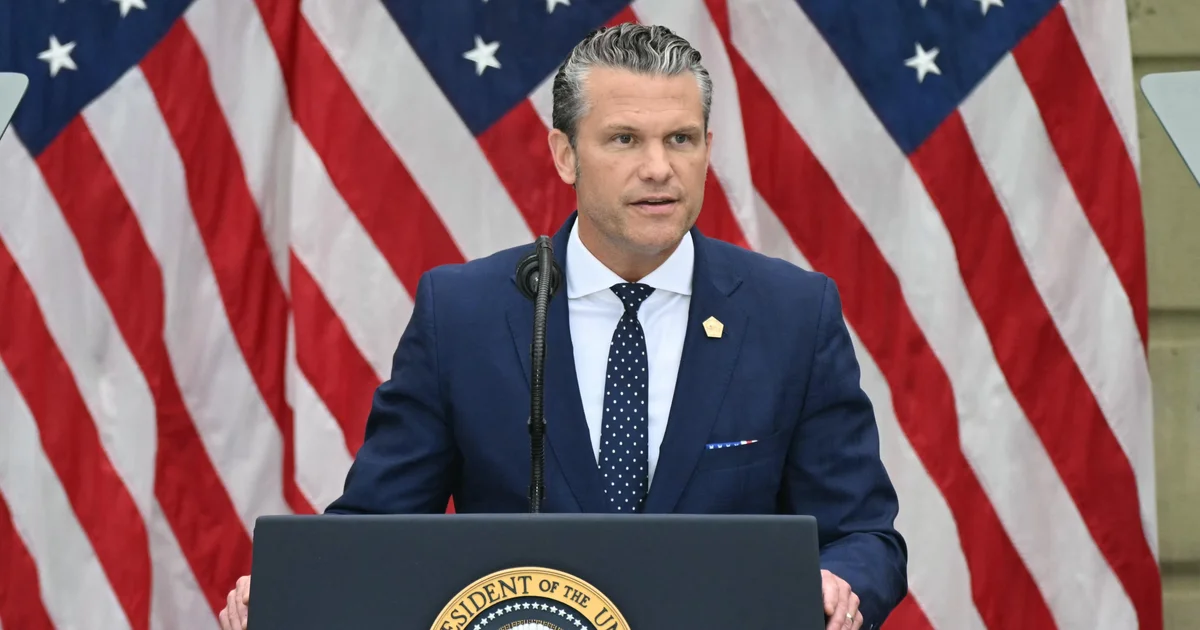

In a significant yet understated diplomatic engagement, U.S. Defense Secretary Pete Hegseth made an unannounced visit to Israel on Monday, meeting Prime Minister Benjamin Netanyahu. The visit takes on heightened relevance as it occurs just prior to impending Israeli elections, amidst ongoing tensions between the U.S. and Iran. Notably, this visit comes as the Trump administration weighs potential military actions against Iran, further complicating the geopolitical landscape.
| Article Subheadings |
|---|
| 1) Details of the Visit and Its Timing |
| 2) U.S.-Israel Military Cooperation |
| 3) Iranian-U.S. Relations Under Scrutiny |
| 4) Political Implications for Netanyahu |
| 5) Regional Stability and Future Considerations |
Details of the Visit and Its Timing
On Monday, Defense Secretary Hegseth arrived in Israel for a discreet visit, meeting with Prime Minister Netanyahu. This visit was confirmed by an anonymous senior U.S. military official and later corroborated by a source in Israel. The timing of Hegseth’s visit is notably significant, occurring merely days before Israeli elections scheduled for October 27. Such timing raises questions about the U.S. intent and its potential influence on the Israeli political landscape.
The lack of a prior announcement regarding the visit has been interpreted by some analysts as an effort to prevent the politicization of U.S.-Israel relations during a sensitive moment for Netanyahu, who is seeking to retain power in the face of rising centrist challengers. The meetings held amidst a backdrop of political vulnerability for Netanyahu also suggest a more strategic intent, underscoring the urgent importance of U.S.-Israel ties.
“The visit reinforces the strong alliance between the two nations,”
said a commentator on international relations.
U.S.-Israel Military Cooperation
U.S. and Israeli military forces have engaged in cooperative operations previously, with significant joint air strikes targeting Iranian positions. This cooperative military engagement was prominently displayed in February when both nations executed strikes against Iranian assets. Such joint actions signal a deepening military collaboration aimed at countering Iranian influence in the region.
The background of Hegseth’s visit is underscored by recent escalations, including an American offensive against Iranian nuclear sites in June 2025 amidst the conflict. This reflects a broader trend that has intensified over the years, emphasizing that military collaboration is crucial for both nations to address shared threats effectively. The current dynamics are critical, especially as discussions on potential U.S. military action against Iran are underway, which Hegseth’s visit may partly influence.
Iranian-U.S. Relations Under Scrutiny
Amid the backdrop of increasing military tensions, the relationship between Iran and the U.S. has remained cautious. Over the past few weeks, both nations have minimized direct confrontations, although U.S. President Donald Trump has hinted at the possibility of military action against Iran, declaring it as an option still under consideration following the imminent U.S. midterm elections. This rhetoric adds another layer of complexity to an already fraught situation.
The Iranian leadership continues to monitor U.S. military actions closely while exploring diplomatic avenues to mitigate the escalating hostilities. Trump’s divisive comments, suggesting an inclination to either pursue negotiations or outright aggression, serve to heighten the stakes, not just for Iran, but for the U.S.-Israel alliance. The strategic calculations being made on both sides reflect a cautious approach to engagement, emphasizing diplomacy as a first option while keeping military readiness intact.
Political Implications for Netanyahu
As the longest-serving prime minister in Israeli history, Netanyahu‘s political fortunes are currently uncertain, reflecting the internal pressures of a divided electorate. His right-leaning Likud party is under threat from centrist challengers, notably led by former Israel Defense Forces chief of staff Gadi Eisenkot, who is promising a different approach to governance and security.
Netanyahu has publicly asserted that he does not intend to initiate renewed strikes against Iran prior to the elections, stating,
“it is not convenient for us.”
This declaration signals a calculated approach, aiming to preserve political capital while setting the stage for a potentially more aggressive stance post-election. The diplomatic exchanges with Hegseth highlight the intertwined nature of military strategy and political necessity, as Netanyahu navigates a complex electoral landscape.
Regional Stability and Future Considerations
The future of U.S.-Israel relations hangs in the balance as both nations confront a multifaceted threat landscape in the Middle East. The combined military efforts against Iranian influence pose significant implications for regional stability. Analysts suggest that the outcome of the upcoming elections in Israel, in conjunction with U.S. midterm results, will dictate the trajectory of military engagement and diplomatic relations moving forward.
Trump’s recent endorsement of Netanyahu as a “Great Warrior Prime Minister” underlines the strategic alliance built on military cooperation while simultaneously advocating for peace with respect to Iranian relations. The intricate balance between aggression and negotiation continues to prevail as both nations grapple with their respective political narratives and military strategies.
| No. | Key Points |
|---|---|
| 1 | Defense Secretary Hegseth visited Israel ahead of upcoming elections. |
| 2 | The U.S. and Israel have intensified military cooperation against Iran. |
| 3 | Iran-U.S. relations remain tense as military action looms. |
| 4 | Netanyahu’s political future is challenged by centrist opponents. |
| 5 | Future regional stability hinges on election outcomes and diplomatic relations. |
Summary
The recent visit of Defense Secretary Hegseth to Israel highlights critical dynamics in U.S.-Israeli relations amid heightened tensions with Iran. As both nations navigate complex political landscapes with potential military implications, the outcome of forthcoming elections may significantly influence future strategies. The intertwined fates of these relationships reflect a broader struggle for stability and cooperation in the Middle East.
Frequently Asked Questions
Question: What was the purpose of Hegseth’s visit to Israel?
The visit aimed to strengthen U.S.-Israel relations and military cooperation amid ongoing tensions with Iran, particularly before Israel’s elections.
Question: How does Trump’s potential military action against Iran affect this situation?
Trump’s consideration of military action against Iran exacerbates tensions in the region, influencing both Israeli military strategy and U.S. diplomatic posture.
Question: What are the stakes for Netanyahu in the upcoming elections?
Netanyahu faces significant political pressure from centrist challengers and must navigate his approach to military action and U.S. relations to secure his position.
