

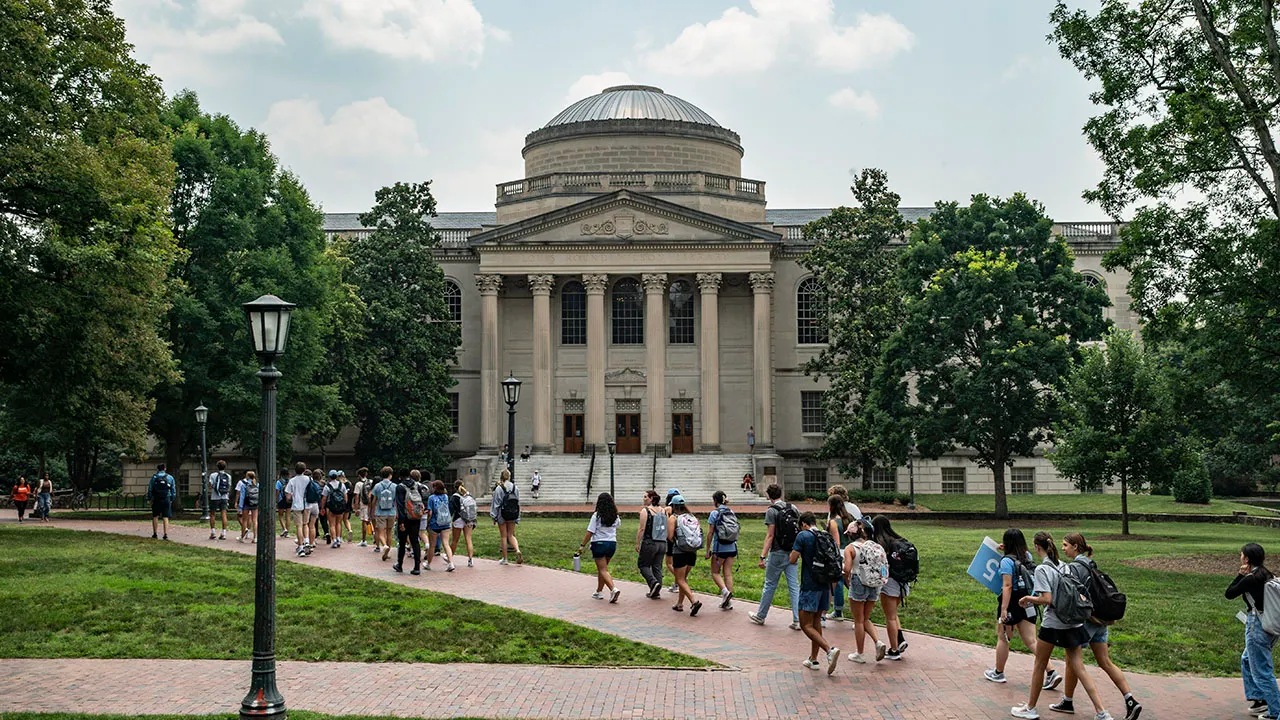

The Trump administration has finalized a voluntary settlement with the University of North Carolina at Chapel Hill (UNC), effectively resolving ongoing federal investigations related to claims of antisemitism and race discrimination at the institution. This agreement will conclude 18 active inquiries from the Department of Education and a separate compliance review from the Justice Department, which were initially initiated to examine the university’s compliance with federal civil rights laws. While UNC does not admit to any wrongdoing, the settlement stipulates various measures to foster a more equitable environment on campus.
| Article Subheadings |
|---|
| 1) Overview of the Settlement Agreement |
| 2) New Positions and Responsibilities at UNC |
| 3) Educational Initiatives Emphasized in the Agreement |
| 4) Implications of the Settlement on Campus Policies |
| 5) Broader Context of Federal Oversight on Universities |
Overview of the Settlement Agreement
On October 15, 2025, the Trump administration announced a settlement with UNC that would address significant allegations of antisemitism and racial discrimination. This agreement not only resolves 18 federal investigations but also a compliance review that scrutinized the university’s adherence to civil rights laws over the past years. The settlement is notable for requiring no financial compensation from UNC, as the institution maintains its innocence regarding the allegations.
This settlement will remain in effect until December 31, 2028, providing a structured timeline for both parties to ensure compliance. UNC’s Chancellor, Lee H. Roberts, expressed commitment to creating an inclusive campus environment, highlighting how the university’s objectives align with the civil rights of its diverse community members. The announcement is part of a larger trend where federal bodies have been increasingly proactive in regulating how universities address issues of equity and discrimination.
New Positions and Responsibilities at UNC
As a crucial component of the settlement, UNC is required to establish new positions within its compliance office to handle antisemitism and race discrimination complaints. The newly created roles include a “Merit & Civil Rights Administrator” and a “Title VI Coordinator.” Elizabeth Hall, who currently serves as the Associate Vice Chancellor for University Compliance, has been appointed to oversee these responsibilities alongside her existing duties.
These roles are designed to streamline the process by which complaints can be raised and resolved, ensuring that students and faculty members have clear channels for reporting incidents of discrimination. Under these guidelines, UNC will maintain a cooperative relationship with the Justice Department to uphold federal reporting obligations concerning any documented cases of discrimination.
Educational Initiatives Emphasized in the Agreement
The settlement also outlines specific measures regarding educational training aimed at fostering a deeper understanding of antisemitism within the community. UNC is required to implement a mandatory training program for all students, faculty, and staff to address issues surrounding antisemitism and racism. This initiative aims to foster a more aware and accepting campus culture, reducing the likelihood of discriminatory incidents occurring in the future.
Chancellor Roberts emphasized that this training is designed to ensure that the university community is well-informed about these crucial issues, thereby promoting a more inclusive climate at UNC. The ongoing commitment to education reflects a broader acknowledgment of the complexities of race relations within the university environment.
Implications of the Settlement on Campus Policies
The settlement entails prohibitions on the use of face masks that conceal one’s identity during protests, with specific exceptions. According to the terms of the agreement, student groups will face disciplinary action for engaging in antisemitic conduct. This measure aims to create a more accountable environment during campus demonstrations, allowing for open expressions while maintaining respect for all community members.
The settlement also enforces a “color-blind admissions system” at UNC, restricting the use of race in the admissions process. While it maintains that applicants may still share experiences of overcoming adversity, it signifies a notable shift in how race is integrated into institutional policies. This aligns with the federal administration’s stance against race-based admissions practices, aiming to eliminate any perceived preferential treatment in university admissions.
Broader Context of Federal Oversight on Universities
The Trump administration’s move to settle the investigations at UNC mirrors a nationwide trend regarding the federal oversight of universities, particularly concerning their handling of race-related issues. Federal entities have been scrutinizing educational institutions, launching inquiries and threatening funding cuts in response to perceived infractions of civil rights laws. Many schools across the nation are experiencing similar pressures, with an increased focus on how they address protests, diversity initiatives, and inclusion policies.
Recent events highlight a climate where universities, traditional bastions of free expression, are increasingly caught between free speech advocacy and the demand for social justice. The administration’s approach, which reached its peak with the Supreme Court’s decision to dismantle affirmative action policies, has set a precedent that may influence how educational institutions operate. As compliance reviews emerge, other universities will likely find themselves scrutinized, prompting them to adjust their practices to align with new federal directives.
| No. | Key Points |
|---|---|
| 1 | UNC settles 18 federal investigations regarding antisemitism and discrimination. |
| 2 | Settlement includes establishment of new compliance roles to better address complaints. |
| 3 | Mandatory training on antisemitism for students and faculty is now required. |
| 4 | Prohibitions on identity-concealing face masks during campus protests. |
| 5 | Broader implications for federal oversight of university practices on race and discrimination. |
Summary
The settlement between the Trump administration and the University of North Carolina at Chapel Hill marks a significant shift in how federal oversight will play a role in addressing allegations of racial and antisemitic discrimination on university campuses. By implementing new internal positions and mandatory training, UNC aims to foster a more inclusive learning environment while remaining aware of the broader implications concerning admissions and student conduct. As such policies evolve, they will likely influence the operational frameworks of other universities, highlighting a transition towards accountability and compliance with federal civil rights expectations.
Frequently Asked Questions
Question: What are the key components of the settlement agreement?
The settlement requires UNC to create new compliance roles, implement mandatory antisemitism training, and establish a “color-blind admissions system.”
Question: Why is the training program for antisemitism mandatory?
The training aims to educate students and faculty about antisemitism and promote a more inclusive campus culture, reducing future incidents of discrimination.
Question: What are the broader implications of this settlement?
The settlement reflects an increasing trend of federal oversight in university practices regarding race-related issues, influencing how colleges handle protests and diversity initiatives.
