

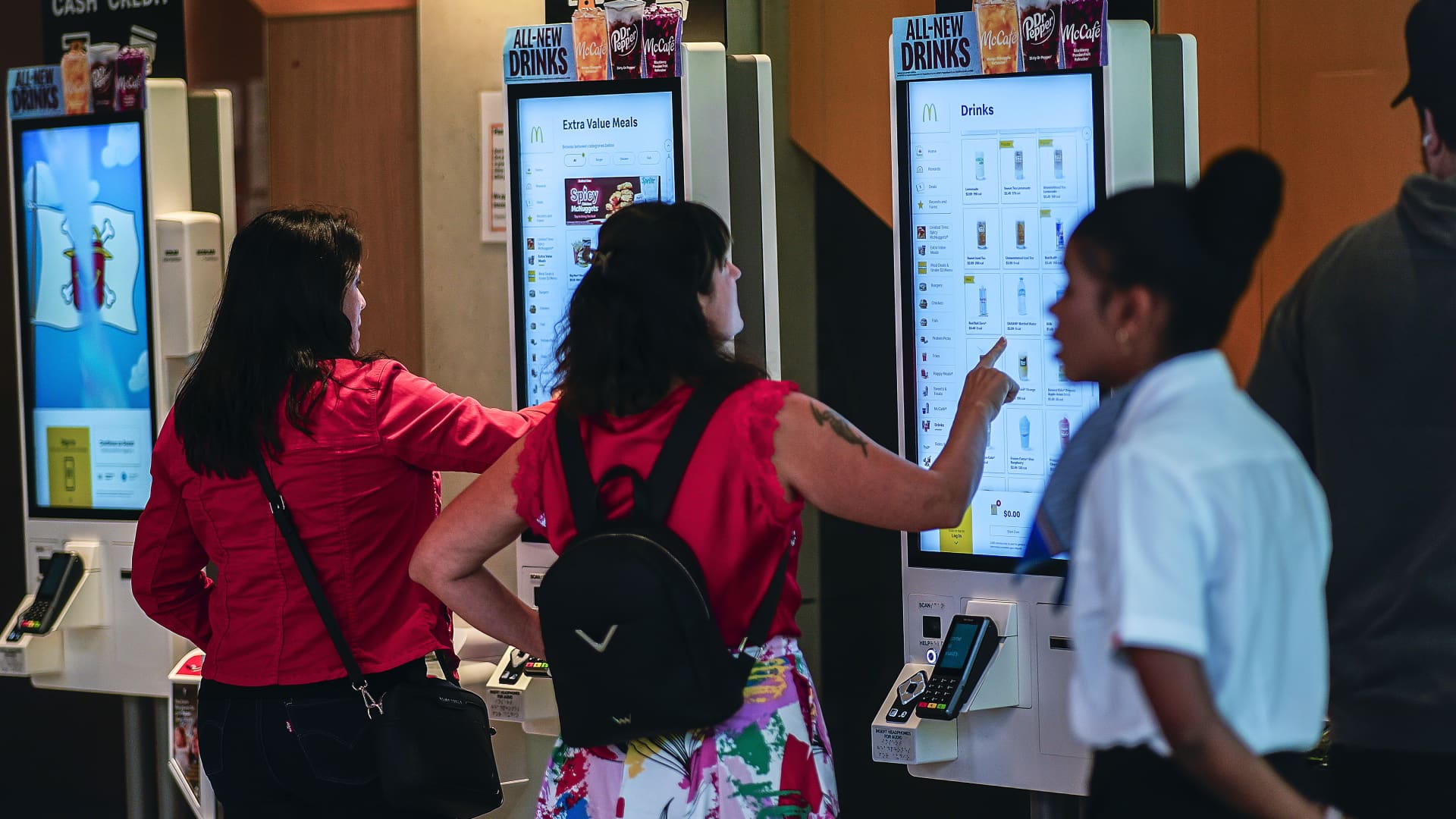

In an evolving retail landscape, restaurants and supermarkets are increasingly utilizing artificial intelligence (AI) tools that could significantly impact pricing models. Recently, a federal lawsuit against McDonald’s has brought to light allegations that the fast-food chain employed an AI-powered “pricing engine” to optimize menu prices across its U.S. locations, allegedly leading to inflated prices for customers. As food companies digitize their operations globally, experts caution that these AI-driven pricing strategies could introduce dynamic pricing models that make it challenging for consumers to navigate costs effectively.
| Article Subheadings |
|---|
| 1) Allegations Against McDonald’s: The AI Pricing Engine |
| 2) The Rise of Digital Pricing Tools in Food Retail |
| 3) How Dynamic Pricing Works and Its Implications |
| 4) Challenges for Consumers Amidst AI-Driven Pricing |
| 5) The Regulatory Landscape: States Respond to Pricing Models |
Allegations Against McDonald’s: The AI Pricing Engine
In a recent development that has stirred significant attention, a federal antitrust lawsuit has been filed against McDonald’s, claiming that the company employs an advanced AI-powered pricing engine to manipulate its menu prices across U.S. locations. The lawsuit alleges that this technology enables the fast-food chain to adjust prices in a way that unfairly penalizes customers, particularly for popular items such as Big Macs and fries. These allegations have led to speculations about how AI impacts not just pricing structures but also consumer trust.
The lawsuit’s timing coincides with a broader movement among numerous businesses to integrate AI tools into their operational frameworks. McDonald’s has publicly denied these claims, stating that it does not utilize AI to determine individual customer pricing. Instead, the company claims to provide its franchisees with tools and resources that allow owners to make informed decisions regarding pricing. Despite this, the public’s perception of AI in retail is likely to be influenced by these legal challenges, highlighting concerns about transparency in pricing practices.
The Rise of Digital Pricing Tools in Food Retail
The fast-food sector, alongside grocery chains, is increasingly adopting innovative AI technologies to enhance operational efficiency and customer engagement. For instance, Kroger has implemented an AI platform named FlashFood, specifically designed to help mark down perishables that are nearing the end of their shelf lives. This platform not only aids in inventory management but also communicates these discounts to consumers via a smartphone application.
Additionally, electronic shelf labels (ESLs) are gaining traction as supermarkets like Amazon Fresh, Walmart, and Whole Foods incorporate digital price displays in their stores. These automated systems are designed to streamline price updates in real time, potentially allowing stores to adjust prices in accordance with market demand or inventory levels. As these tools proliferate, the food retail environment may become more reliant on data analytics, which has implications for pricing strategies and consumer choices.
How Dynamic Pricing Works and Its Implications
Dynamic pricing is not a new concept, but its implementation has grown more sophisticated due to advances in technology. Defined as the continual real-time adjustment of prices based on various factors—including demand, competition, and timing—dynamic pricing has already been utilized by industries such as airlines and hotels for years. According to experts like Miroslava Marinova, a lecturer of commercial law, this model allows companies to maximize revenue based on consumer behavior and market fluctuations.
One of the more pressing concerns regarding dynamic pricing is that it could lead to what is termed “perfect price discrimination,” where businesses charge customers as close to the maximum price they are willing to pay as possible. This raises critical questions about fairness and transparency, particularly as businesses garner more consumer data than ever. The implications of these pricing techniques could affect everything from shopping experiences to inflation measurements, complicating how consumers perceive price changes in the market.
Challenges for Consumers Amidst AI-Driven Pricing
While dynamic and personalized pricing can sometimes benefit consumers through discounts and promotions, they also present significant challenges. As highlighted by experts, one of the main risks with individualized pricing is that consumers may become unaware of the underlying factors influencing their pricing compared to general market trends. It creates a complex environment where shoppers face difficulties comparing prices across different platforms or even understanding why they are charged a certain amount.
This blurring of consumer price sensitivity hampers the ability to exercise informed choices effectively. As enumerated by economists from the Bank of England, the use of AI could deepen socioeconomic divides by generating varied inflation rates across different households. Thus, when individual consumers cannot discern whether their price reflects broader market conditions or is tailored to specific behaviors, it weakens the overall discipline that competitive markets typically uphold.
The Regulatory Landscape: States Respond to Pricing Models
In response to growing concerns about data-driven pricing models, multiple U.S. states have initiated measures to regulate the practice. For example, New York mandates that most businesses utilizing personal data to set prices must disclose these practices clearly to consumers. Additionally, Maryland has implemented restrictions on food retailers and delivery services from employing personalized, data-driven pricing strategies that result in higher charges for specific food items.
States such as New Jersey and Connecticut are also implementing initiatives targeting what is increasingly referred to as “surveillance pricing,” reflecting a proactive stance towards protecting consumer rights in a rapidly digitizing marketplace. These regulations highlight the necessity for transparency and fairness in pricing methodologies, indicating broader societal demand for recognition of consumer protection in the era of advanced technology.
| No. | Key Points |
|---|---|
| 1 | AI tools are being employed by fast-food giants, including allegations against McDonald’s for overcharging through an AI pricing engine. |
| 2 | Grocery chains like Kroger use AI solutions for inventory management and customer communication about discounts. |
| 3 | Dynamic pricing allows real-time price adjustments based on various market factors but raises concerns over fairness. |
| 4 | Individualized pricing could complicate consumer price transparency, making comparisons and understanding difficult. |
| 5 | Regulations are being implemented across several states to limit the use of data-driven pricing practices, promoting transparency. |
Summary
The convergence of artificial intelligence and retail pricing strategies signifies a transformative phase in how consumers interact with food businesses. While this paradigm shift could yield operational efficiencies, such as better inventory management and enhanced customer engagement, it also raises essential questions about ethics and fairness in pricing. Without proper regulations and transparency, the consequences of AI-driven pricing could complicate consumer choices and exacerbate socioeconomic disparities.
Frequently Asked Questions
Question: What is dynamic pricing?
Dynamic pricing refers to the strategy of adjusting prices in real-time based on various factors such as demand, competition, and inventory levels. It allows businesses to maximize revenue but can complicate consumer understanding of fair pricing.
Question: How does AI influence pricing in supermarkets?
AI enables supermarkets to employ tools like electronic shelf labels and data analytics to adjust prices automatically, manage inventory, and communicate discounts to consumers efficiently.
Question: What are the concerns related to personalized pricing?
Personalized pricing raises significant concerns about consumer awareness and fairness, as individuals may receive different prices based on their behavior, making it difficult to understand market fairness and price comparisons.
