

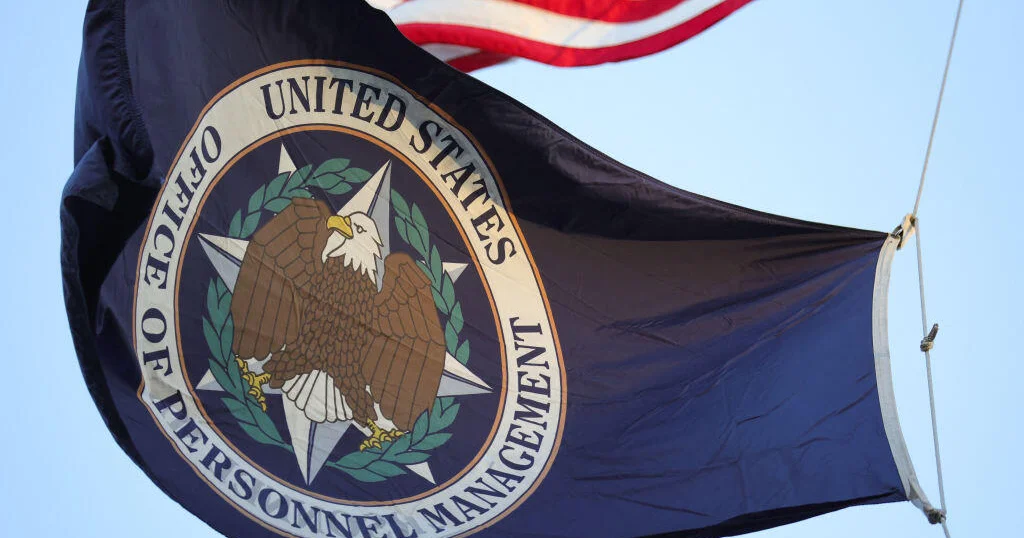

Washington officials announced a significant shift in hiring practices within the federal government, indicating that artificial intelligence (AI) will soon be integrated into the interview process for some job applicants. While not all agencies are set to adopt this technology immediately, a pilot program targeting the Tech Force initiative will initiate this change. This effort aims to bring in private-sector tech experts into temporary government roles, and marks a step forward for federal recruitment, which has historically lagged behind private industry in utilizing AI tools. The change comes amid ongoing efforts to streamline government hiring processes and enhance the recruitment of younger professionals to rejuvenate an aging workforce.
<h2>Article Subheadings</h2>

<strong>1)</strong> Implementation of AI in Federal Hiring Processes

<strong>2)</strong> Details of the Tech Force Initiative

<strong>3)</strong> The Role of CodeSignal in AI Interviews

<strong>4)</strong> Future Implications of AI in Government Hiring

<strong>5)</strong> Ongoing Challenges and Considerations
<h3>Implementation of AI in Federal Hiring Processes</h3>
The federal government is preparing to implement AI technology in its hiring processes, specifically focusing on how candidates for government positions are interviewed. U.S. officials have revealed that not all agencies will adopt AI immediately; however, there is a concentrated effort to test this technology within specific pilot programs, particularly the Tech Force initiative designed for tech recruitment. This application of AI means that candidates may undergo interviews conducted by AI agents, which are expected to enhance both efficiency and effectiveness in the screening process.
The Office of Personnel Management (OPM) has taken steps to encourage agencies to incorporate AI into their hiring practices. Although the guidance suggests using AI as part of the recruitment strategy, it emphasizes the necessity for human oversight, especially in critical hiring decisions. This cautious approach seeks to balance the technological advantages with the inherent need for human judgment in evaluating a candidate's suitability for a federal role. Furthermore, the shift to AI comes at a time when the federal government, as one of the largest employers in the country, is finding the traditional hiring processes to be slow in comparison with the rapid pace of recruitment seen in the private sector.<h3>Details of the Tech Force Initiative</h3>
The Tech Force initiative, launched eight months prior, was developed to address the technological staffing needs of the federal government by recruiting private-sector experts for two-year government posts. This initiative is part of a broader strategy to modernize governmental operations by infusing knowledge and expertise into areas heavily influenced by technology. By opening doors for past private-sector employees, the government is aiming to bridge the skills gap that has surfaced due to advancements in technology and an aging workforce.
The Tech Force will specifically utilize the platform CodeSignal, designed to assess candidates through structured interviews utilizing standardized questions. This method not only streamlines the interview process but also ensures a level of consistency in how candidates are evaluated. The incorporation of AI agents to conduct these interviews signifies a noteworthy evolution in how the government interacts with potential employees, promising to reduce the time and resources typically associated with early interview stages.<h3>The Role of CodeSignal in AI Interviews</h3>
CodeSignal is positioned to play a crucial role in how the AI-driven interview process unfolds. As an AI-powered tool, CodeSignal offers features that facilitate the early rounds of candidate assessments, enabling the government to initiate screenings more efficiently. This platform allows for interviews to be conducted through various modes including virtual interactions led by AI agents. Moreover, it can accommodate phone, audio, and text-based assessments that ensure a comprehensive evaluation of candidates' abilities.
Post-interview, hiring managers will receive detailed insights, including transcriptions of candidates’ responses, which will help them make informed decisions. This technological integration is being piloted as part of the broader move towards leveraging AI in human resource functions. By utilizing these advanced tools, the federal government is expected to not only speed up the hiring process but also enhance the quality of the hires through a more structured approach.<h3>Future Implications of AI in Government Hiring</h3>
The introduction of AI into the federal hiring process presents several potential implications for the future of governmental operations. Officials believe that as the technology continues to evolve, AI could become an integral part of not only initial screenings but also broader recruitment strategies across various agencies. This shift suggests that the federal government may gradually adopt AI technologies at multiple levels, thereby changing the landscape of governmental hiring.
In the coming years, the expectation is that AI will play a significant role in handling high-volume job postings, where traditional methods may fall short in efficiency and speed. By streamlining the first layer of interviews, the government intends to free up human resources for more complex decision-making tasks that require nuanced understanding and interpersonal skills, ensuring that the hiring process becomes both prompt and precise.<h3>Ongoing Challenges and Considerations</h3>
Despite the optimistic outlook surrounding the use of AI in the hiring process, several challenges remain. The emphasis on maintaining human oversight, as recommended by OPM, signals awareness of potential pitfalls associated with reliance on technology. Concerns about bias in AI algorithms, the importance of personal interaction in candidate assessments, and the ability of AI to accurately reflect the human elements of communication are pivotal considerations.
Additionally, the government must manage the transition to AI tools carefully to ensure that current employees are comfortable with these changes. Recognizing the human factor in recruitment will be essential as agencies begin to rely on technology for critical staffing decisions. This careful balance of adopting new technologies while retaining essential human oversight is fundamental to the successful implementation of AI in government hiring processes.| No. | Key Points |
|---|---|
| 1 | Federal government to implement AI in hiring processes, starting with the Tech Force initiative. |
| 2 | Tech Force targets recruitment of private-sector tech experts into two-year government roles. |
| 3 | CodeSignal to be used for AI-driven structured interviews, ensuring standardized question formats. |
| 4 | AI interviews aim to enhance efficiency in federal hiring, with human oversight emphasized in critical decisions. |
| 5 | Future implications indicate a wider adoption of AI hiring tools across federal agencies. |
<h3>Summary</h3>

The integration of AI into the federal hiring process marks a transformational step for how government agencies recruit and assess potential candidates. By starting with the Tech Force initiative, officials aim to modernize recruitment practices while addressing the unique staffing needs of governmental operations. The role of AI tools, like CodeSignal, indicates a commitment to enhancing efficiency while maintaining necessary human oversight. As this trend continues, the federal government seeks to align more closely with private sector practices, paving the way toward a more skilled and younger workforce able to meet the challenges of a rapidly evolving technological landscape.
<h3>Frequently Asked Questions</h3>
**Question: How will AI change the interview process for federal job applicants?**
The introduction of AI into the federal interview process means that some candidates will interact with AI agents during structured interviews instead of facing human interviewers directly, which aims to streamline candidate assessments and ensure consistency.
**Question: What is the Tech Force initiative?**
The Tech Force initiative is a campaign by the federal government to recruit private-sector tech experts for temporary positions within government roles, aimed at infusing critical technological expertise into the federal workforce.
**Question: What is CodeSignal's role in AI interviews?**
CodeSignal provides an AI-powered platform that facilitates structured interviews for the Tech Force applicant pool, employing standardized questions to ensure fair evaluations and delivering transcriptions and summaries to hiring managers. 