

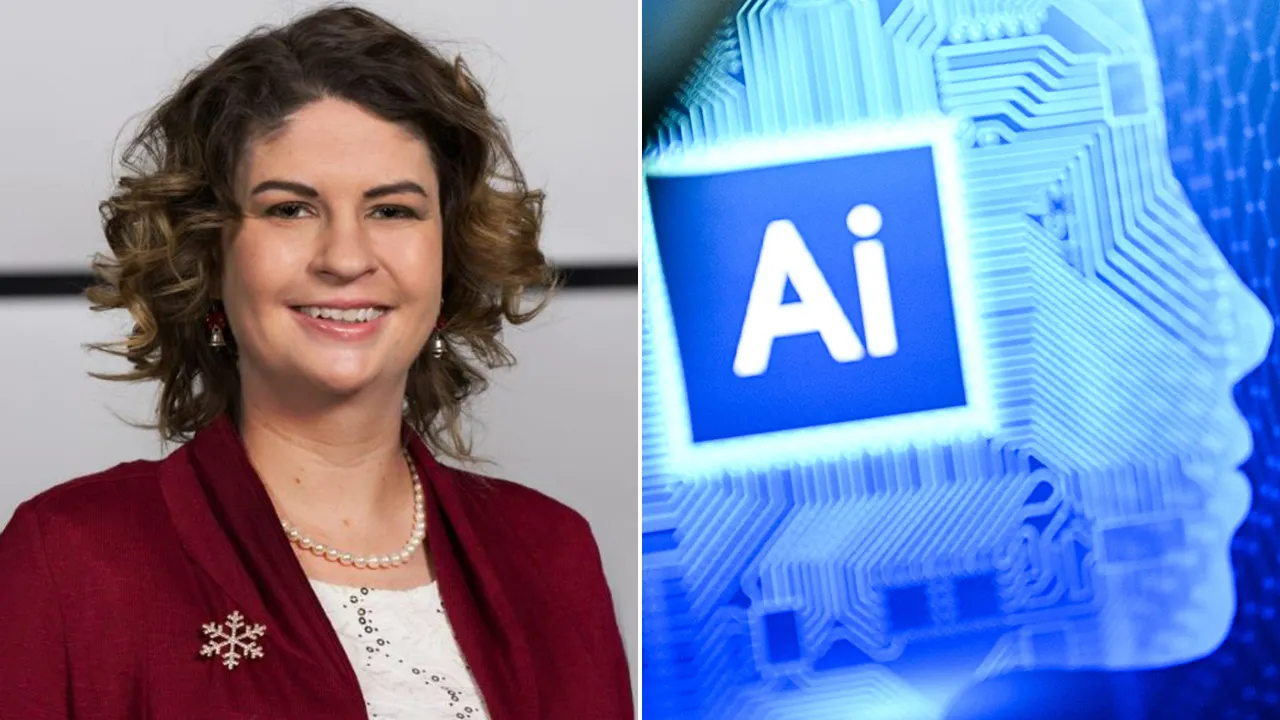

In a surprising turn of events, Ontario Councilor Corinna Traill has been arrested and charged with making threats against former mayoral candidate Tom Dingwall. The allegations arose after a voicemail left by Traill reportedly warned Dingwall not to run for mayor. Traill claims that the voicemail was generated using artificial intelligence technology. This incident raises significant questions about the use of AI in political discourse and the implications for electoral integrity.
| Article Subheadings |
|---|
| 1) Background on the Voicemail Incident |
| 2) Details of the Charges Against Traill |
| 3) Traill’s Defense and AI Claims |
| 4) Community Reaction and Implications |
| 5) The Future of AI in Politics |
Background on the Voicemail Incident
The controversy began in August when Tom Dingwall, a former candidate for the mayoral office, alleged that Corinna Traill left him a voicemail warning him against running for mayor. The voicemail reportedly voiced threats that Traill would come to Dingwall’s home and harm him and his family if he did not comply. This explosive claim quickly circulated through social media, particularly through Dingwall’s Facebook post in September, which detailed the nature of the voicemail.
Dingwall recalled that the message sent chills down his spine and described it as an overt indication of the lengths some political figures might go to maintain their influence or protect their allies. This situation not only placed Traill in a controversial light but also stirred debates about the ethics of political competition.
Details of the Charges Against Traill
On Wednesday, the Peterborough Police Service announced that they had arrested Corinna Traill and charged her with two counts of uttering threats against Tom Dingwall. According to the police report, the nature of the threats was serious enough to warrant immediate legal action. The charges highlight the escalating tensions in local politics, especially as municipalities gear up for potential election cycles.
Traill was released on her own recognizance following the arrest and is mandated to appear in court in January. The police indicated that while this aspect of the case is under legal scrutiny, its repercussions could reverberate through Ontario’s political arena for years to come.
Traill’s Defense and AI Claims
In defense of her actions, Corinna Traill vehemently denied the accusations and stated that she had no intention of intimidation or threats. In her Facebook post, she claimed, “I want to state clearly and unequivocally: I did not create this message.” Regarding the voicemail in question, she suggested that parts of it may have been fabricated using artificial intelligence technology.
She further elaborated on the involvement of AI by stating that while portions of the voicemail contained her voice, other components were artificially generated without her consent. This acknowledgment raises interesting discussions about the role of AI in political communications and the ethical boundaries that should be observed when technology merges with personal conduct.
Community Reaction and Implications
The community’s reaction to this incident has been one of shock and outrage. Local residents and political observers questioned the integrity of elected officials following such accusations. Dingwall’s statements have resonated with many, as he called into question the practices among politicians and asserted that, “no elected official, paid to represent us, should utilize intimidation or threats to dissuade anyone from pursuing elected office.”
This incident serves as a wake-up call for many in the community. It forces them to reconsider the standards expected from public representatives and raises alarms regarding the potential for AI misuse. As technology continues advancing, the potential for manipulation in political communications grows, and community members are now more aware of these risks.
The Future of AI in Politics
As we examine the ramifications of this incident, the issue of AI’s impending role within politics cannot be understated. With advancements in AI technology allowing for the creation of highly realistic audio and video clips, questions arise about authenticity and accountability among politicians. The case of Corinna Traill exemplifies the dangers posed by these emerging technologies, prompting urgent discussions about legislative frameworks that should ideally govern their use in political contexts.
Moreover, there are broader implications regarding voter trust and confidence in the political system. Citizens may become increasingly skeptical of political messaging, fearing that tactics such as deepfakes or AI-generated content could distort reality. For electoral processes to remain healthy and credible, measures must be in place to safeguard against potential abuses of AI capabilities.
| No. | Key Points |
|---|---|
| 1 | Corinna Traill, an Ontario councilor, was charged with making threats against Tom Dingwall. |
| 2 | Dingwall alleged that Traill warned him not to run for mayor or face violence. |
| 3 | Traill claimed the voicemail in question may have been generated using AI technology. |
| 4 | The incident has sparked community outrage and discussions about political ethics. |
| 5 | Concerns about the misuse of AI in politics and its implications for voter trust have risen. |
Summary
The arrest of Corinna Traill adds a troubling chapter to the ongoing discourse surrounding ethics in politics. As she faces charges of making threats against a former mayoral candidate, the role of artificial intelligence in political communications comes under scrutiny. The implications of this case extend beyond personal accountability and raise vital questions about public trust in the electoral process, urging a re-evaluation of legal frameworks surrounding the emerging technology.
Frequently Asked Questions
Question: What prompted the charges against Corinna Traill?
The charges were prompted by allegations from Tom Dingwall, who claimed that Traill left him a threatening voicemail warning him not to run for mayor.
Question: How has Corinna Traill responded to the allegations?
Traill has denied the allegations, claiming she did not create the voicemail and suggesting that parts of it could have been generated using artificial intelligence technology.
Question: What are the potential implications of this incident for the use of AI in politics?
This incident underscores concerns over the potential misuse of AI technology in political campaigning, raising questions about authenticity, accountability, and voter trust in electoral processes.
