

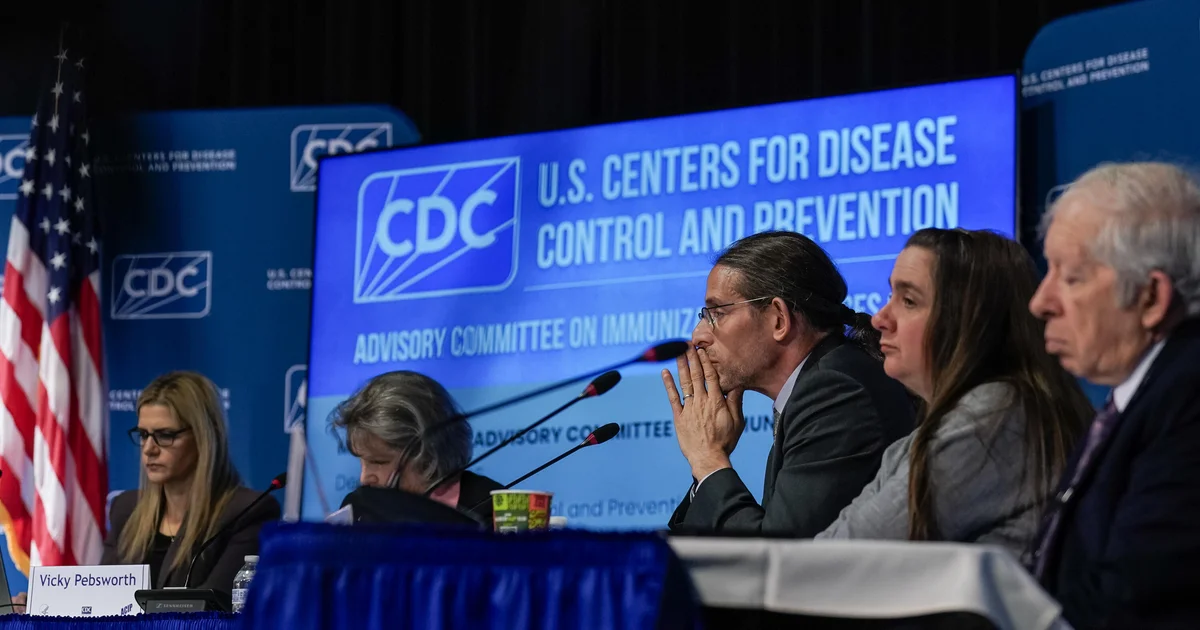

The recent decision by the Centers for Disease Control and Prevention’s vaccine advisory panel to revise the recommendation regarding the hepatitis B vaccine has sparked significant debate among healthcare professionals and the public. After over three decades of advising that infants receive their first dose within 24 hours of birth, the panel voted to allow a delay until children reach two months of age for those born to mothers who test negative for the virus. Critics are concerned that this change could increase the risk of hepatitis B infections in young children and compromise public health efforts.
| Article Subheadings |
|---|
| 1) Shift in Vaccine Recommendation |
| 2) Opposition from Medical Experts |
| 3) Political Reactions |
| 4) Importance of Immediate Vaccination |
| 5) Concerns Over the Future of Vaccine Recommendations |
Shift in Vaccine Recommendation
On December 1, 2025, the Advisory Committee on Immunization Practices (ACIP), under the CDC, made a pivotal decision regarding the timing of the hepatitis B vaccine for newborns. In an 8-3 vote, the panel decided to recommend that the first dose be administered at two months of age for infants born to mothers who test negative for hepatitis B. This change is particularly significant as it marks a departure from a long-standing practice that has been in place since 1991, wherein the first dose was recommended within 24 hours of birth for all infants regardless of maternal status. The rationale behind this decision includes the contention that not all infants may need the shot immediately if their mothers are negative, although critics argue it places newborns at unnecessary risk.
Opposition from Medical Experts
The revised recommendation has faced sharp criticism from numerous medical experts, including the American Academy of Pediatrics. Many prominent pediatricians and health organizations expressed concern that delaying the vaccine could leave children vulnerable to a preventable and serious illness. Dr. Cody Meissner, a professor of pediatrics and former FDA vaccine panel member, stated that no substantial evidence had been presented to support the need for this change. Furthermore, he emphasized that maintaining the current guidelines would still permit parents the freedom to make informed choices regarding their children’s vaccinations.
The primary arguments against the delay highlight extensive research that has affirmed the vaccine’s safety and efficacy over the years. With hepatitis B being a serious virus that can lead to chronic liver disease and cancer, many experts remain adamant that immediate vaccination is crucial, especially considering that 90% of infants infected at birth are likely to develop chronic hepatitis B. This reality underscores the importance of maintaining a robust vaccination protocol for newborns as a safeguard against potential outbreaks and long-term health issues.
Political Reactions
The political landscape surrounding the ACIP’s decision has also been heated. Senator Bill Cassidy, a Louisiana Republican and physician, has labeled the change “a mistake,” urging the acting CDC Director to reject the committee’s vote. He pointed to the drastic reduction in hepatitis B infections among newborns attributed to the vaccine’s timely administration, arguing that reversing this recommendation would likely result in an increase in cases, reversing decades of public health progress.
Responses from political figures varied widely. While some praised the committee for their decision, others stated that it could lead to public health repercussions. Donald Trump, in comments made via social media, praised the committee while falsely citing statistics about childhood vaccinations and asserting that the U.S. should refocus its vaccine schedule based on practices in other countries. His statements reflect a growing trend wherein political narratives increasingly intertwine with scientific discourse surrounding vaccination protocols.
Importance of Immediate Vaccination
Hepatitis B poses serious health risks, especially to infants. Infection acquired at birth leads to an exceptionally high risk of developing chronic liver disease later in life. The CDC recommends that all pregnant women be tested for the virus; however, studies indicate a concerning statistic: roughly 16% of expecting mothers do not receive appropriate testing, creating gaps in the safety net intended to protect newborns. The immediate birth dose of the hepatitis B vaccine serves as a crucial measure to cover these blind spots.
Medical stakeholders assert that by delaying the vaccine, newborns are effectively left exposed to an avoidable risk. The ability of the vaccine to prevent chronic cases and severe health issues has been firmly established through decades of epidemiological data. The American Academy of Pediatrics has warned that any delays in vaccine provision could inverse historical gains observed in reducing hepatitis infections, thus destabilizing pediatric public health efforts.
Concerns Over the Future of Vaccine Recommendations
The implications of the ACIP’s decision extend beyond hepatitis B vaccinations. The vote has sparked broader discussions about vaccine recommendations and public trust. Questions have emerged regarding the scientific validity of future vaccine guidelines and the potential impact of political pressures on health decisions. Critics argue that inconsistency and confusion surrounding vaccination schedules could hinder public confidence in vaccines and lead to overall declines in vaccination rates.
Health experts caution that changing the norm of childhood vaccinations without robust evidence to support such decisions risks reversing the hard-won public health milestones achieved over the years. The ACIP has faced scrutiny over the clarity and consistency of its decision-making processes, especially as there were multiple revisions to the voting language leading up to the vote. This level of uncertainty only confirms the need for transparent discussions grounded in independent scientific research.
| No. | Key Points |
|---|---|
| 1 | The ACIP voted to delay the hepatitis B vaccine for infants born to negative mothers. |
| 2 | Medical experts including the AAP strongly oppose the new recommendations. |
| 3 | Politicians are divided, with some urging the CDC to maintain existing guidelines. |
| 4 | Immediate vaccination is crucial for newborns to prevent chronic hepatitis B infection. |
| 5 | The decision raises significant concerns about the future of vaccine recommendations and public trust. |
Summary
The CDC’s advisory panel’s recent vote to change the recommendations for hepatitis B vaccination timing marks a controversial shift that poses potential risks to public health. The backlash from medical professionals underscores a deeper concern about the implications of altering standardized vaccination protocols. Given the potential for increased hepatitis B infections and long-term health repercussions, it is critical that ongoing discussions emphasize comprehensive research and clear communication to safeguard pediatric health and maintain public trust in vaccination practices.
Frequently Asked Questions
Question: Why was the hepatitis B vaccination timing changed?
The timing was changed based on the advisory panel’s assessment that not all newborns need immediate vaccination if their mothers test negative for hepatitis B.
Question: What are the risks of delaying the hepatitis B vaccine for infants?
Delaying the vaccine places infants at a higher risk of contracting hepatitis B, which can lead to chronic liver disease, cancer, and early death.
Question: What has been the response from medical organizations to the new recommendation?
Medical organizations, particularly the American Academy of Pediatrics, have strongly opposed the change, citing concerns about the implications for public health and the safety of infants.
