

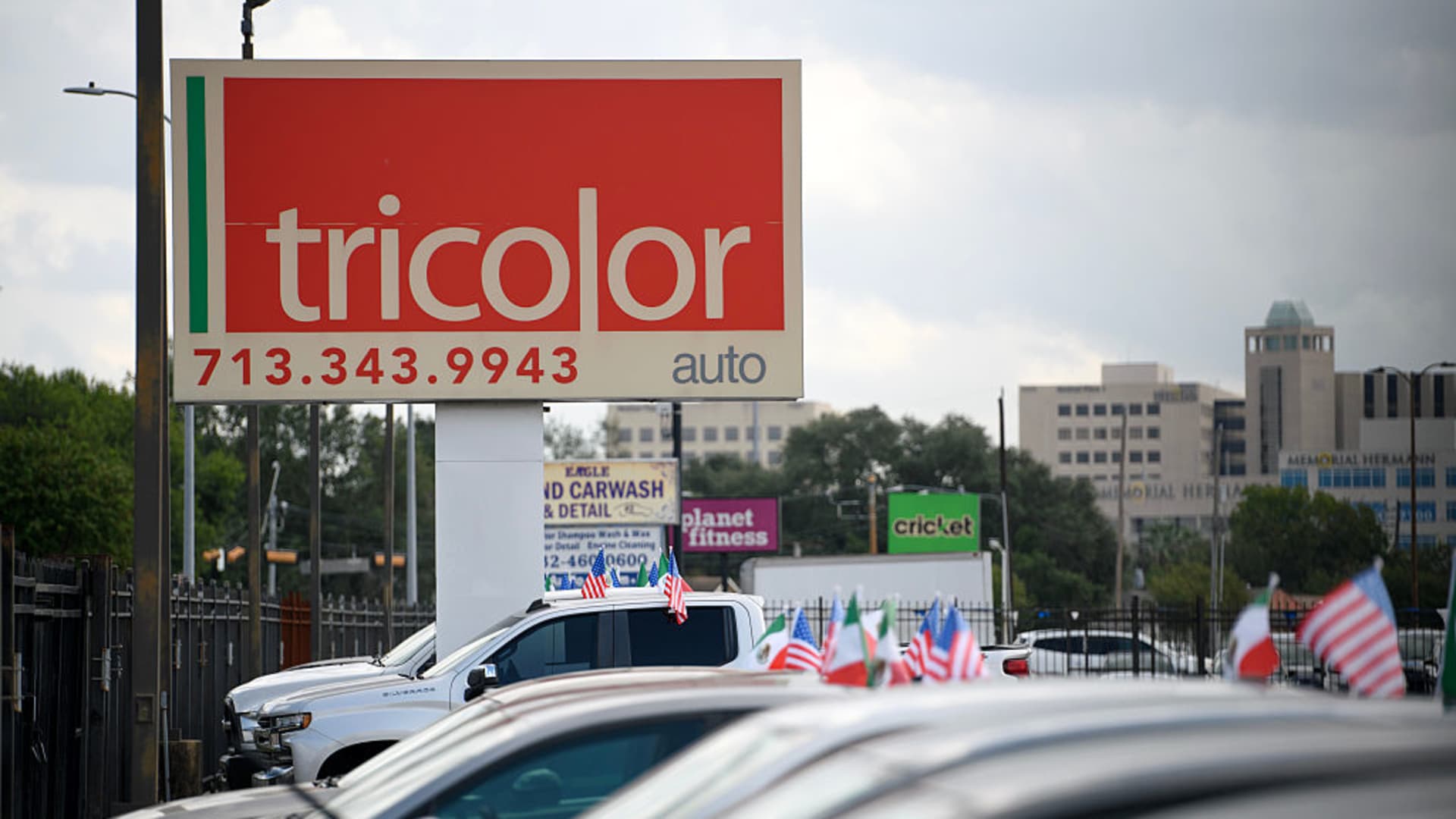

A recent federal indictment has accused Daniel Chu, the CEO of Tricolor, a subprime auto finance company, of orchestrating a systemic fraud scheme that led to the company’s downfall. Allegedly, as the firm faced imminent financial collapse, Chu directed payments of $6.25 million to himself in bonuses while filing for bankruptcy days later. The indictment outlines a fraudulent operation that generated approximately $800 million in illegitimate collateral over several years, raising significant concerns about financial practices within the company and its impact on the broader banking sector.
| Article Subheadings |
|---|
| 1) Background on Tricolor and Its Operations |
| 2) Allegations Against Daniel Chu |
| 3) Tricolor’s Financial Collapse and Bankruptcy Filing |
| 4) The Broader Implications for the Banking Sector |
| 5) Legal and Industry Reactions to the Indictment |
Background on Tricolor and Its Operations
Tricolor is recognized in the subprime auto financing sector, predominantly serving customers with less-than-stellar credit histories. Founded by Daniel Chu, the company rapidly expanded its operations, pledging to provide vehicle financing options that traditional lenders typically avoided. This model appealed to a significant market segment, allowing Tricolor to thrive, even amidst economic fluctuations.
However, with rapid growth comes increased scrutiny, particularly regarding lending practices. In its pursuit of profits, Tricolor engaged in aggressive marketing and lending approaches that raised questions about ethical standards and the sustainability of its business model. As more customers fell behind on their payments, the company’s financial health became compromised, leaving it vulnerable to potential legal and operational predicaments.
Allegations Against Daniel Chu
The federal indictment against Daniel Chu details alarming allegations of fraud and misconduct. Prosecutors assert that Chu directed the creation of approximately $800 million in “bogus collateral,” essentially using the same assets to secure multiple loans, a practice that constitutes financial fraud. It is alleged that he also instructed employees to alter records manually to make delinquent loans appear eligible for collateral.
In August 2023, as the signs of impending financial distress became evident, Chu reportedly instructed his Chief Financial Officer, Jerome Kollar, to disburse the final $6.25 million of his $15 million bonus. This action raised eyebrows, particularly given the timing in relation to Tricolor’s deteriorating financial condition. Just days before the bankruptcy filing, Chu was aware of the potential collapse while still taking steps to enrich himself from the company’s resources.
Tricolor’s Financial Collapse and Bankruptcy Filing
Shortly after Chu received his bonuses, Tricolor faced dire consequences. By September 10, 2023, the company filed for bankruptcy protection, unable to sustain its operations under the weight of significant financial mismanagement. More than 1,000 employees were placed on unpaid leave, signaling the drastic measures the company was undertaking amid its financial collapse.
The report states that the company’s rapid downfall appears to be intertwined with Chu’s response to financial viability challenges. Secretly recorded calls among company executives revealed Chu’s frantic attempts to stave off lenders’ inquiries regarding the company’s collateral and reassured them about the stability of their investments in Tricolor, despite growing evidence of financial distress.
The Broader Implications for the Banking Sector
Tricolor’s situation has raised significant alarm bells across the U.S. banking industry. The fraudulent practices allegedly implemented by Chu illustrate an underappreciated risk in financial lending, particularly involving subprime auto loans. With the recent slew of defaults from companies like Tricolor, analysts are warning of a potential credit crisis similar to the 2008 financial collapse.
Additionally, major banks including JPMorgan Chase, Barclays, and Fifth Third Bank have already disclosed charges related to these fraudulent activities. The banking sector’s exposure to such practices raises concerns about transparency and risk management within financial institutions dealing with subprime lending and the potential ramifications on broader economic stability.
Legal and Industry Reactions to the Indictment
The allegations against Chu have sparked discussions among legal experts and industry insiders regarding financial regulations and accountability. Experts advocate for stricter oversight measures to prevent similar occurrences in the future, emphasizing the need for enhanced compliance frameworks within the auto-lending sector.
Legal experts have noted that the outcomes of this indictment could have implications for how regulatory bodies approach enforcement actions in the subprime lending industry, promising to scrutinize firms more closely in their operations and risk assessments. The case may encourage a paradigm shift across the sector, prompting companies to prioritize ethical practices and transparent operations to safeguard against similar indictments.
| No. | Key Points |
|---|---|
| 1 | Tricolor CEO Daniel Chu is indicted for orchestrating a $800 million fraud scheme. |
| 2 | Chu directed significant bonuses to himself even as the company’s financial health deteriorated. |
| 3 | The company’s bankruptcy filing highlights vulnerabilities in the subprime auto lending sector. |
| 4 | Major banks are exposed to potential losses due to their connections with Tricolor. |
| 5 | Calls for stricter regulations in the financial sector are gaining momentum following the indictment. |
Summary
The indictment of Daniel Chu serves as a critical reminder of the risks inherent in subprime lending and the need for stringent regulatory enforcement. As Tricolor’s fraudulent practices come to light, financial watchdogs and industry participants are left to grapple with the broader implications for the banking sector and the urgency for reform to protect consumers and investors alike. The case may evoke significant changes in how the auto-finance industry operates, placing greater emphasis on ethical governance and accountability.
Frequently Asked Questions
Question: What led to the indictment of Daniel Chu?
The indictment arose from allegations that Chu directed fraudulent practices at Tricolor, supporting a scheme that created $800 million in bogus collateral, while drawing significant bonuses amidst the company’s financial distress.
Question: What implications does this case have for the banking sector?
The fallout from Tricolor’s collapse raises concerns about underappreciated risks in subprime lending, prompting calls for more stringent regulatory oversight in the industry to prevent similar fraudulent practices.
Question: How has the public and legal community reacted to the indictment?
Legal experts and industry professionals are advocating for stricter compliance and governance measures within the auto-lending sector as a direct response to the allegations against Chu and their potential implications for financial stability.
