

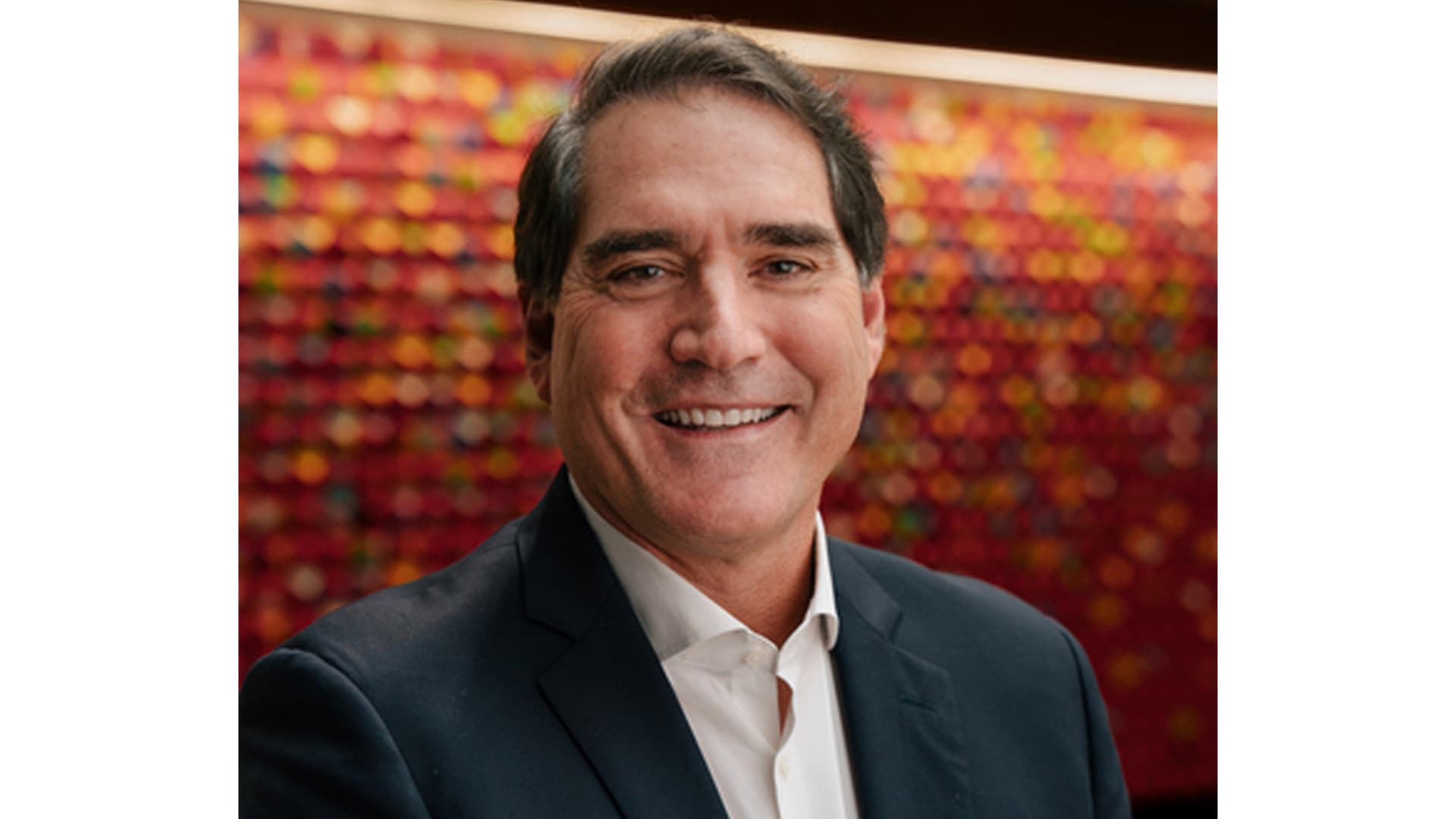

In a significant leadership shift at The Coca-Cola Company, Chief Operating Officer Henrique Braun will take over as CEO from James Quincey, effective March 31, 2024. This announcement, made on Wednesday, comes at a time when the global beverage market is facing challenges due to soft drink demand. As CEO, Braun is tasked with spearheading new growth opportunities and adapting to changing consumer preferences, while Quincey transitions to an executive chairman role.
| Article Subheadings |
|---|
| 1) The New Leadership Transition |
| 2) Significance of the Change |
| 3) Challenges in the Beverage Market |
| 4) Future Directions for Coca-Cola |
| 5) Performance Overview and Market Context |
The New Leadership Transition
The succession plan at Coca-Cola announced that Henrique Braun, who has been with the company since 1996, will replace James Quincey as CEO. The transition will formally take place on March 31, 2024. Quincey, who has been at the helm since 2017, will step into the role of executive chairman, continuing to influence the company’s strategic direction. This move signals a pivotal moment for Coca-Cola as it braces for adjustment in leadership styles and company objectives.
Significance of the Change
The transition of leadership comes at a crucial time. Henrique Braun brings extensive experience in the beverage industry, having served in multiple roles before becoming COO. His leadership will be vital in steering Coca-Cola through ongoing challenges and adapting to consumer trends. Quincey, during his tenure, successfully navigated the company through the COVID-19 pandemic and focused on healthier beverage options. Nevertheless, the need for renewed vision and quick adaptability in the changing landscape of consumer preferences underscores the significance of this leadership change.
Challenges in the Beverage Market
Coca-Cola is currently wrestling with declining demand in its traditional soft drink segment, attributed in part to changing consumer preferences towards healthier options. Recent reports indicate that Coke’s global unit case volume rose by only 1% in the third quarter, following a contraction in the previous quarter. James Quincey has pointed out that lower-income consumers are increasingly opting for less expensive alternatives, prompting the company to introduce smaller, more affordable product options.
The overall beverage market is becoming fiercely competitive, not only with its primary rival PepsiCo but also from the growing popularity of health-oriented beverages. This shifting landscape presents a challenging environment in which Braun must find innovative ways to foster growth and address consumer concerns.
Future Directions for Coca-Cola
Going forward, Henrique Braun aims to align Coca-Cola’s product offerings more closely with consumer needs while focusing on technology and innovation. His responsibilities will involve identifying new growth opportunities globally and finding creative ways to influence consumer behavior positively. Coca-Cola is expected to improve its digital initiatives and technology solutions to enhance customer engagement and streamline operations.
The shift toward more innovative products will likely involve a further refinement in the company’s offerings, particularly focusing on lower-calorie and health-focused alternatives. Braun may also look to expand Coca-Cola’s global footprint, tapping into emerging markets where the demand for non-soda beverages is flourishing.
Performance Overview and Market Context
Despite the challenges, Coca-Cola still outperforms some of its competitors, particularly in the out-of-home segment, with strong sales in restaurants and entertainment venues. James Quincey’s leadership has resulted in the iconic Coke brand retaining its status as the best-selling soda in the U.S. Additionally, products like Sprite have gained significant market share, now recognized as the third-best-selling soda in the country.
Coca-Cola’s stock performance has illustrated its resilience, with shares increasing nearly 13% this year, contrasting with a slight decline in Pepsi shares. The company currently holds a market cap exceeding $300 billion, showcasing its robust standing in the industry. As Henrique Braun prepares to step into his new role, his ability to address these dynamics will be closely monitored by investors and industry experts alike.
| No. | Key Points |
|---|---|
| 1 | Coca-Cola announced Henrique Braun as the new CEO, effective March 31, 2024. |
| 2 | Outgoing CEO James Quincey will serve as executive chairman. |
| 3 | The beverage market faces challenges due to declining soft drink demand. |
| 4 | Braun will focus on growth opportunities and technological improvements. |
| 5 | Coca-Cola’s stock has performed well compared to PepsiCo, indicating strong market positioning. |
Summary
The upcoming leadership change at Coca-Cola marks a crucial point in the company’s evolution. With Henrique Braun stepping into the CEO position amid shifting consumer preferences and competitive pressures, his leadership will be vital to regain momentum and streamline operations. This transition reflects not only the adaptability of Coca-Cola as a market leader but also highlights the challenges and opportunities that lie ahead as it navigates a new landscape within the beverage industry.
Frequently Asked Questions
Question: Who will succeed James Quincey as CEO of Coca-Cola?
Henrique Braun, the current Chief Operating Officer, will take over the CEO role starting March 31, 2024.
Question: What is James Quincey’s new role after stepping down as CEO?
After transitioning from the CEO role, James Quincey will serve as the executive chairman of Coca-Cola’s board.
Question: What challenges is The Coca-Cola Company currently facing?
The company is dealing with sluggish demand for soft drinks as consumer preferences shift towards healthier options.
