

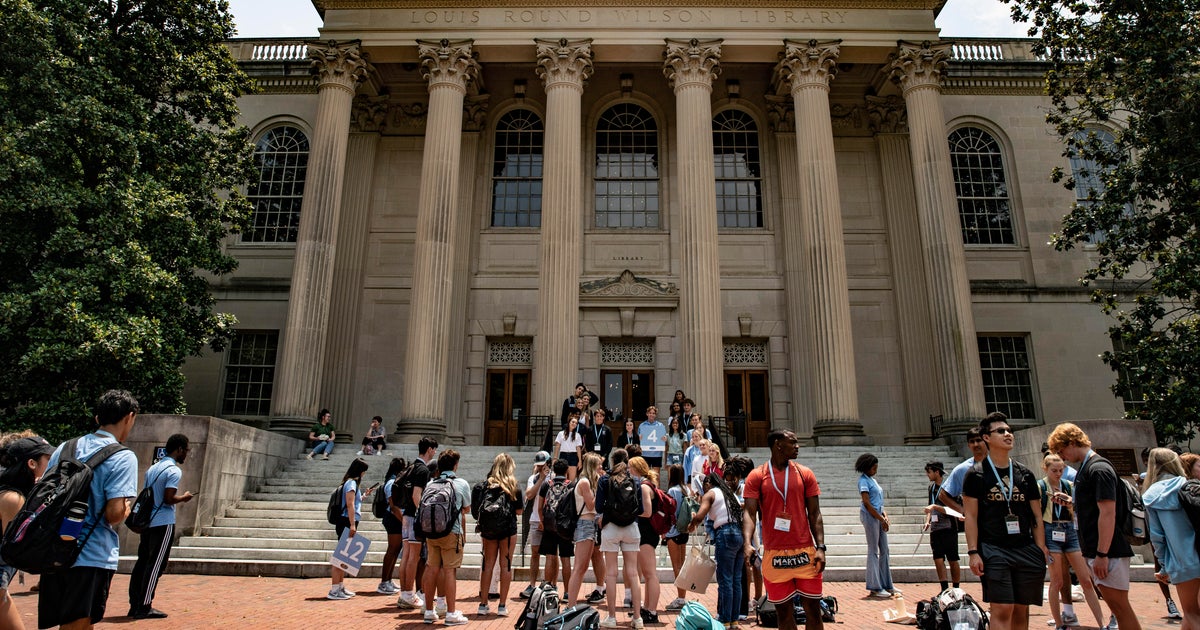

In June 2023, the Supreme Court issued a ruling that prohibited colleges from considering race as a factor in admissions. Since then, initial analyses of first-year enrollment data reveal a slight decline in racial diversity among incoming students. This trend raises concerns among experts about the potential long-term implications for inclusivity in higher education, particularly as universities grapple with external pressures to eliminate diversity programs and the influence of socioeconomic factors on admissions.
| Article Subheadings |
|---|
| 1) Overview of Enrollment Changes |
| 2) Impact on Underrepresented Minorities |
| 3) Analyzing Trends Over Time |
| 4) Factors Contributing to Diversity Shifts |
| 5) Future Implications for Higher Education |
Overview of Enrollment Changes
Following the Supreme Court’s decision to ban the consideration of race in college admissions, an analysis by experts has found a noteworthy shift in the demographic composition of incoming freshmen across multiple institutions. Research collected from 116 colleges and universities highlighted that those institutions which previously included race as a criterion in admissions have experienced a decrease in the percentage of underrepresented minority students. This change stands in stark contrast to the trends observed in years prior to the ruling.
According to the data collected, there was a drop of approximately 2 percentage points in the number of underrepresented minority students enrolled during the fall of 2024, a decline attributed largely to changes in admissions policies. These minority groups include Hispanic, Black, Indigenous, and Pacific Islander students, who have historically faced barriers in gaining access to higher education. This initial data indicates a potentially troubling trend as institutions work to adapt to the new legal landscape surrounding affirmative action.
Impact on Underrepresented Minorities
The implications of the Supreme Court ruling have been most pronounced for underrepresented minority students, particularly Black students. At the cohort of 76 universities that chose to consider race in admissions until this ruling, a significant reduction in the average percentage of Black students was noted, dropping from 6.4% in fall 2023 to 5.3% in fall 2024. This marked the lowest level of Black student enrollment recorded since the data collection began in 2015, highlighting a sharp decline at these institutions.
As universities grapple with their new admissions policies, there are concerns that the diminished presence of Black students and other minorities could lead to disparities in campus experiences. Diverse campuses are crucial for fostering an inclusive educational environment, wherein all students can benefit from varied perspectives and lived experiences. The reduction in diversity raises questions not only about equity but also about the atmosphere of learning that these institutions can provide to their students.
Analyzing Trends Over Time
Experts warn that the early data showing reduced diversity may be indicative of a longer-term trend. According to Dominique Baker, an associate professor specializing in education and public policy at the University of Delaware, it is premature to draw definitive conclusions from a single year’s data. However, should these trends persist over the coming years as cohorts progress through their educational journeys, the implications could be dire for the demographic landscape of colleges and universities.
Historically, data from similar legislative changes, such as California’s Proposition 209 which banned affirmative action, indicate that subsequent enrollment rates among Black and Latino students fell dramatically. A noteworthy example can be drawn from UCLA and UC Berkeley, both of which recorded a staggering 40% drop in enrollment of these groups after the measures were enacted. Such historical precedents fuel concern among educators and policymakers about the potential ripple effects of the recent Supreme Court ruling across the nation.
Factors Contributing to Diversity Shifts
Beyond the outright bans on race as an admissions factor, various elements may further complicate the college admissions landscape. An increase in reported cases of applicants choosing not to disclose their race adds complexity to the situation, yielding a significant rise in the “unknown” category within enrollment data. This could obscure the realities of current demographic trends, with the actual racial makeup of the classes remaining uncertain.
Moreover, logistical challenges surrounding the Free Application for Federal Student Aid (FAFSA) have been cited as contributing to decreased enrollment among minority students. A delay in the application’s availability resulted in fewer students applying for federal financial aid, leading to uncertainties that may have disproportionately affected those from underrepresented communities. The inability to secure timely financial aid may have deterred students from pursuing higher education, further exacerbating enrollment disparities.
Future Implications for Higher Education
As colleges and universities attempt to realign their admissions practices amidst shifting legal frameworks, the future landscape of higher education remains uncertain. Strategic recruitment methods may need to shift toward focusing on high schools with diverse populations. Additionally, institutions must find alternative ways to bolster diversity without directly considering race, such as assessing socioeconomic status.
There are ongoing discussions about the effectiveness of race-neutral admission policies versus socioeconomic factors. Initiatives to increase access for students from low-income backgrounds could potentially supplement efforts to maintain diversity. Institutions such as the University of North Carolina have reported increases in the percentages of low-income students within their incoming cohorts while simultaneously maintaining minority representation, hinting at possible avenues for other schools to explore.
| No. | Key Points |
|---|---|
| 1 | The Supreme Court ruling in June 2023 affects college admissions, prohibiting the consideration of race. |
| 2 | Enrollment data shows a decline in underrepresented minority students since the ruling. |
| 3 | The most selective institutions have seen the sharpest drops in minority student enrollment. |
| 4 | Factors such as delays in financial aid applications may have contributed to decreased enrollment. |
| 5 | Exploring socioeconomic factors may serve as an alternative to support diversity in higher education. |
Summary
The aftermath of the Supreme Court ruling on race in college admissions has led to detectable shifts in student demographics that could have lasting consequences. While initial reports show a decline in underrepresented minorities among new enrollments, the breadth and depth of these changes remain to be fully understood. As institutions navigate these waters, collaboration and ingenuity will be essential to ensure that diversity continues to play a vital role in enriching the educational experiences of all students.
Frequently Asked Questions
Question: What are the implications of the Supreme Court ruling on college admissions?
The Supreme Court ruling restricts colleges from considering race in admissions, leading to a potential decrease in diversity among student populations and raising concerns about equity in access to higher education.
Question: How are universities adjusting to maintain diversity?
Colleges may explore considering socioeconomic status as an alternative metric for admissions to support diversity, focusing on recruitment strategies that engage more varied high school communities.
Question: What historical trends inform current discussions on college diversity?
Historical precedents, such as California’s Proposition 209, demonstrate significant declines in minority enrollment following similar legal restrictions, emphasizing the importance of monitoring current trends closely.
