

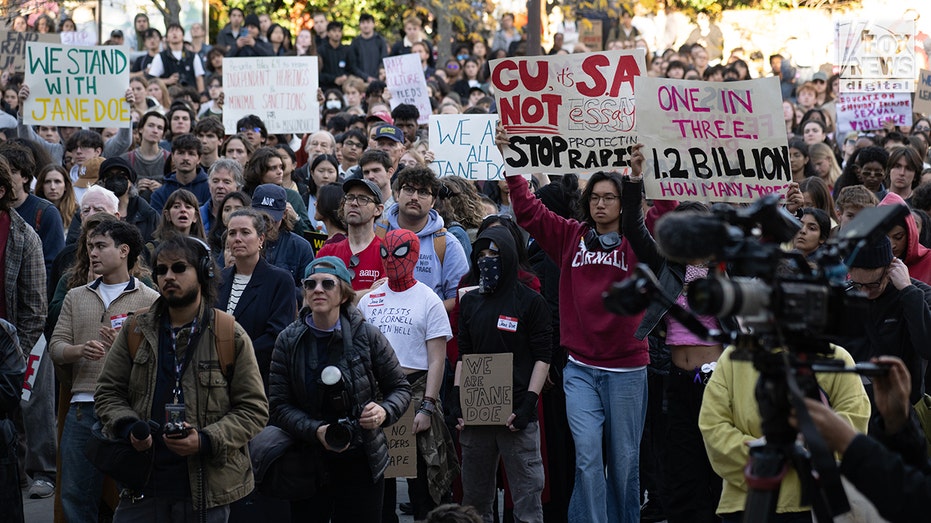

Protests intensified at Cornell University on Tuesday as students demonstrated over the administration’s handling of sexual assault allegations involving former members of the Chi Phi fraternity. A faculty resolution seeking a vote of no confidence in the university administration has won support from 40 of the Faculty Senate’s 75 voting members. New York Attorney General Letitia James has also announced an active criminal investigation, while Cornell plans an independent outside review. President Michael Kotlikoff has faced calls to resign but has so far rejected them.
| 1) | Faculty no-confidence effort |
| 2) | Student protests and presidential response |
| 3) | Allegations involving former fraternity members |
| 4) | Criminal investigation and independent review |
| 5) | Conflicting accounts and legal status |
Faculty no-confidence effort
Faculty members at Cornell are considering a no-confidence vote focused on the university’s administration and its handling of the sexual assault allegations. The resolution was sponsored by Professor Paul Ortiz, who said 40 of the 75 voting members of the Faculty Senate had backed it as of Tuesday. The effort follows demands from colleagues and students who said they wanted the university to address concerns about personal safety and the broader problem of sexual assault on campus.
“Many of these faculty – including myself – were approached by students at Cornell who are upset, fearful for their personal safety, and wanting our university to address the perennial problem of sexual assault on the campus,” Paul Ortiz wrote.
The resolution reflects growing pressure on university leadership while the legal and administrative reviews continue. Its reported support does not itself constitute a completed no-confidence vote or determine the future of the administration.
Student protests and presidential response
Students gathered on Ho Plaza in Ithaca, New York, on Monday and continued protests as the controversy spread across campus. Demonstrators said they were supporting the student identified in court papers by the pseudonym Jane Doe and objecting to the university’s response to the allegations dating to 2024. The protests also included calls for President Michael Kotlikoff to resign.
During a campus assembly on Monday, students questioned Michael Kotlikoff about the university’s actions. He rejected the suggestion that Cornell was concealing information and said the administration would present proposals intended to improve campus culture and address sexual assault concerns.
“We’re not hiding anything at Cornell,” Michael Kotlikoff told students, according to reports from a student newspaper. “You will hear proposals from us going forward around what we’re going to do to try and improve this culture and address this problem.”
Allegations involving former fraternity members
Seven former Chi Phi fraternity members are accused in a civil lawsuit of drugging and sexually assaulting a female Cornell student at the fraternity house in October 2024. The plaintiff, identified as Jane Doe, alleges that she arrived intoxicated after a night of drinking and was pressured to take ketamine and other substances before being sexually assaulted by multiple men.
The defendants have denied wrongdoing. Some have maintained that the sexual activity was consensual, while others have denied participating. No criminal charges had been filed against the seven men at the time described in the report. The allegations remain disputed, and the civil lawsuit and criminal inquiry involve separate legal processes.
Criminal investigation and independent review
The New York attorney general’s office announced on Friday that it was conducting an active criminal investigation after Governor Kathy Hochul appointed the office as special prosecutor. The investigation adds a state-level criminal review to the continuing public dispute over what happened in 2024 and how Cornell handled the matter.
Cornell has separately agreed to retain outside counsel for an independent review of its handling of the allegations. The review is intended to examine the university’s response, while the attorney general’s investigation will assess potential criminal conduct. Neither process had reached a final conclusion in the account available for this report.
Conflicting accounts and legal status
The controversy centers on differing descriptions of the events, including statements attributed to Jane Doe in the weeks after the incident, information provided to Cornell police, and allegations made in a lawsuit filed nearly two years after the October 2024 encounter. The competing accounts have intensified scrutiny of the university, local law enforcement decisions, and the former fraternity members.
Tompkins County District Attorney Matthew Van Houten, who initially declined to pursue criminal charges, said Jane Doe’s sworn statement from November 2024 did not allege that she had been drugged against her will or gang raped. He characterized the statement as describing drug use and sexual conduct as voluntary, conscious, and consensual. The attorney general’s investigation may now revisit the matter, but the available account does not establish a final finding of fact or criminal responsibility.
| Number | Key Point |
|---|---|
| 1 | Forty of 75 voting Faculty Senate members support a no-confidence resolution. |
| 2 | Students protested on campus and called for President Michael Kotlikoff’s resignation. |
| 3 | Seven former fraternity members face allegations in a civil lawsuit and deny wrongdoing. |
| 4 | The New York attorney general’s office is conducting an active criminal investigation. |
Summary
Cornell faces simultaneous pressure from students, faculty, and state officials over its handling of sexual assault allegations connected to a 2024 incident. The university president has promised proposals to address campus culture, while retaining outside counsel for an independent review. The legal facts remain contested, with no criminal charges filed against the seven accused former fraternity members in the reported account.
Frequently Asked Questions
What prompted the Cornell protests?
Students protested the university’s handling of allegations involving seven former Chi Phi fraternity members and called for changes in campus leadership and policy.
How many faculty members support the no-confidence resolution?
The resolution’s sponsor said 40 of the Faculty Senate’s 75 voting members supported it.
What is the status of the criminal case?
The New York attorney general’s office has announced an active criminal investigation. No criminal charges had been filed against the seven accused men in the account described here.
What review is Cornell conducting?
Cornell has agreed to retain outside counsel to conduct an independent review of the university’s handling of the allegations.
