

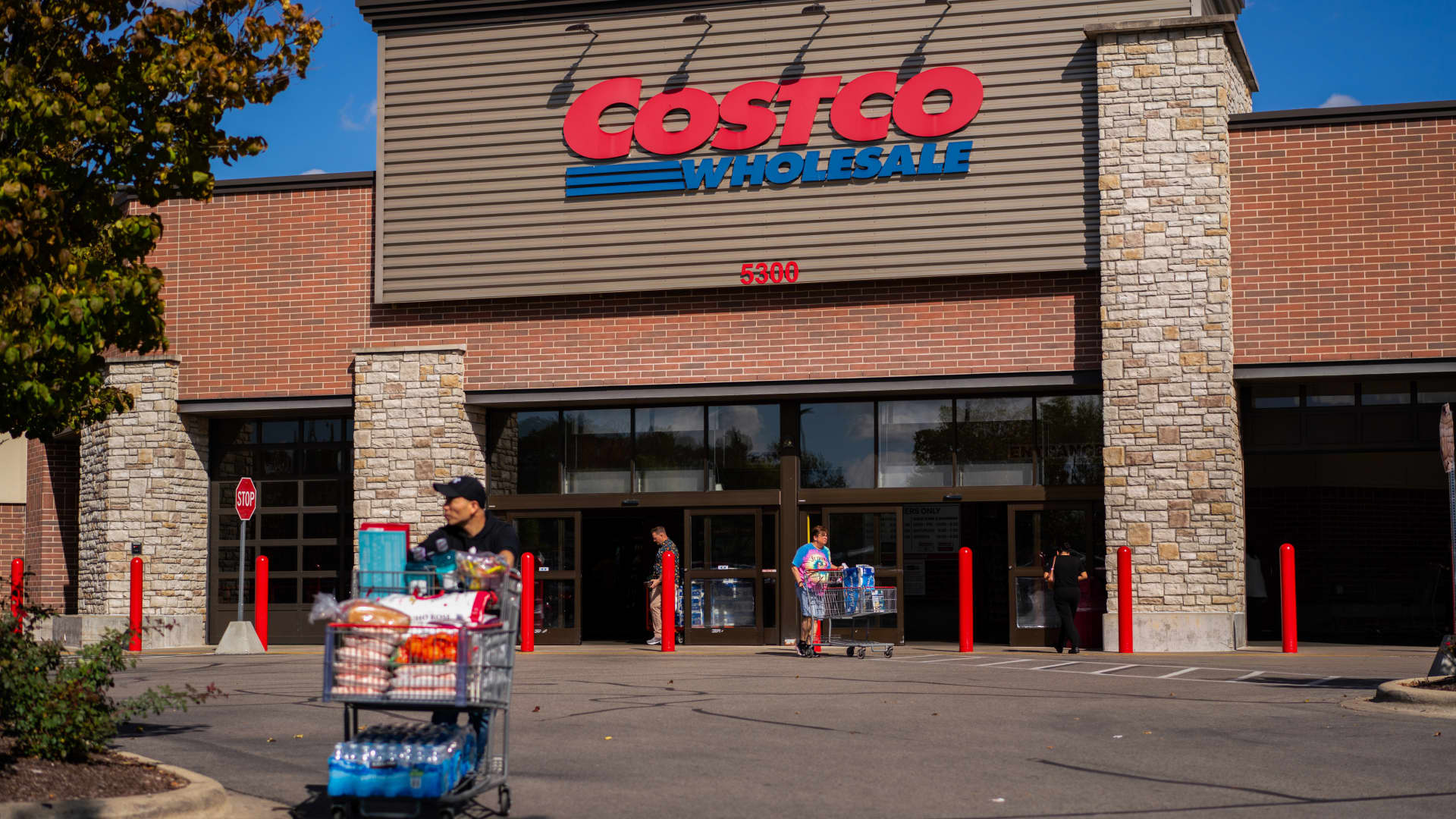

In a significant legal move, Costco has initiated a lawsuit against the Trump administration, seeking a complete refund of tariffs it has paid in recent months. The retailer argues that these tariffs are unlawful and expresses concern that a looming deadline could prevent them from recovering the funds, even if the Supreme Court ultimately sides with them. This lawsuit is part of a larger wave of similar actions taken by various companies in response to the controversial tariffs imposed under the previous administration.
| Article Subheadings |
|---|
| 1) Overview of Costco’s Lawsuit |
| 2) Legal Background and Implications |
| 3) The Response from the Trump Administration |
| 4) Broader Impact on Other Companies |
| 5) Next Steps and Potential Outcomes |
Overview of Costco’s Lawsuit
Costco’s lawsuit was filed in the U.S. Court of International Trade, seeking to recover tariffs that the company claims were imposed unlawfully by the former administration. The complaint specifically targets tariffs related to the so-called reciprocal tariffs which were enacted by former President Donald Trump against several countries. Costco’s primary concern is the upcoming Dec. 15 deadline for the potential refund of tariffs already paid.
The retailer has highlighted that despite not stating an exact figure, the amount involved is believed to be significant. The company contends that if the Supreme Court rules in its favor later, it would still be difficult to reclaim these funds without judicial action safeguarding their claims.
Legal Background and Implications
The crux of the matter lies in legal interpretations of the powers granted to the executive branch concerning the imposition of tariffs. The U.S. Court of Appeals for the Federal Circuit has previously ruled that such powers reside with Congress, following a similar case that questioned the legitimacy of Trump’s tariffs. In its 7-4 decision, the court stated, “The core Congressional power to impose taxes such as tariffs is vested exclusively in the legislative branch by the Constitution.” This ruling sets a notable precedent for Costco’s case, indicating a lack of legal grounding for the tariffs in question.
Furthermore, Costco’s lawsuit raises significant questions about the nature of executive actions impacting trade policy. The lawsuit elaborates on the potential consequences for companies in similar situations, underscoring the complexities involved in tariff disputes that may arise during trade negotiations or misinterpretations of legal statutes.
The Response from the Trump Administration
The response from the former administration has been emphatic, asserting the legality of the tariffs imposed. White House spokesman Kush Desai remarked on the ramifications of the lawsuit, emphasizing the economic implications should the Supreme Court reject the established tariffs. According to Desai, the potential economic fallout is significant, especially given the reliance on these tariffs for revenue.
Additionally, the administration has called for a swift resolution from the Supreme Court regarding this matter. The urgency stems from the potential need to refund hundreds of millions of dollars in tariffs, a scenario officials warn could destabilize trade relations further. The ongoing legal battles illustrate the contentious nature of trade policy in the current political climate, particularly following drastic shifts that moved away from established norms under the prior leadership.
Broader Impact on Other Companies
Costco is not alone in this legal battle; several other companies have filed similar lawsuits claiming their rights to refunds in cases of improper tariff assessments. The ongoing tension around tariffs has created a ripple effect, leading many businesses to seek redress in courts as they navigate the uncertain landscape left by the previous administration’s trade policies. These legal actions indicate widespread concern among importers regarding the financial impacts of such tariffs.
Reports indicate that many companies are closely monitoring the developments in Costco’s case, as the outcome could set a precedent affecting numerous other businesses facing similar issues. The results of such lawsuits may either fortify the existing tariff structure or encourage its dismantlement, depending on the judicial rulings from the Supreme Court.
Next Steps and Potential Outcomes
With the Supreme Court set to consider the appeal from the Trump administration, the timeline for this case remains uncertain. Legal analysts suggest various possible outcomes, including upholding the lower court ruling that deemed the tariffs unlawful or remanding the case back to lower courts for further examination. Each outcome carries different implications for Costco and other companies entangled in similar disputes.
Should the Supreme Court rule in favor of Costco or similar plaintiffs, it could pave the way for extensive refunds of previously paid tariffs, fundamentally altering the landscape of U.S. trade policy. Conversely, a ruling supporting the previous administration could solidify the legal basis for such tariffs, rendering Costco’s efforts ineffective and setting a negative precedent for future challenges against executive trade policies.
| No. | Key Points |
|---|---|
| 1 | Costco has filed a lawsuit against the Trump administration for refunds on tariffs imposed unlawfully. |
| 2 | The lawsuit is driven by a looming deadline that could block potential refunds. |
| 3 | The U.S. Court of Appeals ruled that tariff imposition rights lie with Congress, not the executive branch. |
| 4 | The former administration argues that maintaining tariffs is crucial for economic stability. |
| 5 | Several other businesses are watching Costco’s case closely for its broader implications on trade policy. |
Summary
Costco’s lawsuit poses critical questions about trade authority and the scope of executive actions within U.S. law. As the case moves forward, it represents a pivotal moment not only for Costco but also for numerous businesses confronting similar challenges. The implications of the Supreme Court’s ruling could drastically affect U.S. trade policy and future economic maneuvers, reinforcing or dismantling the contentious tariff framework established in recent years.
Frequently Asked Questions
Question: What are the tariffs Costco is suing for?
Costco is suing for refunds on tariffs imposed under the Trump administration’s trade policies, which they claim are unlawful.
Question: Why are other companies filing similar lawsuits?
Many companies are concerned about the legality of the tariffs and the potential for recovering funds already paid, prompting them to seek legal recourse.
Question: What could be the implications of the Supreme Court’s ruling?
The ruling could affirm the legality of the tariffs or render them unlawful, affecting potential refunds for Costco and others, and influencing future trade policy.
