

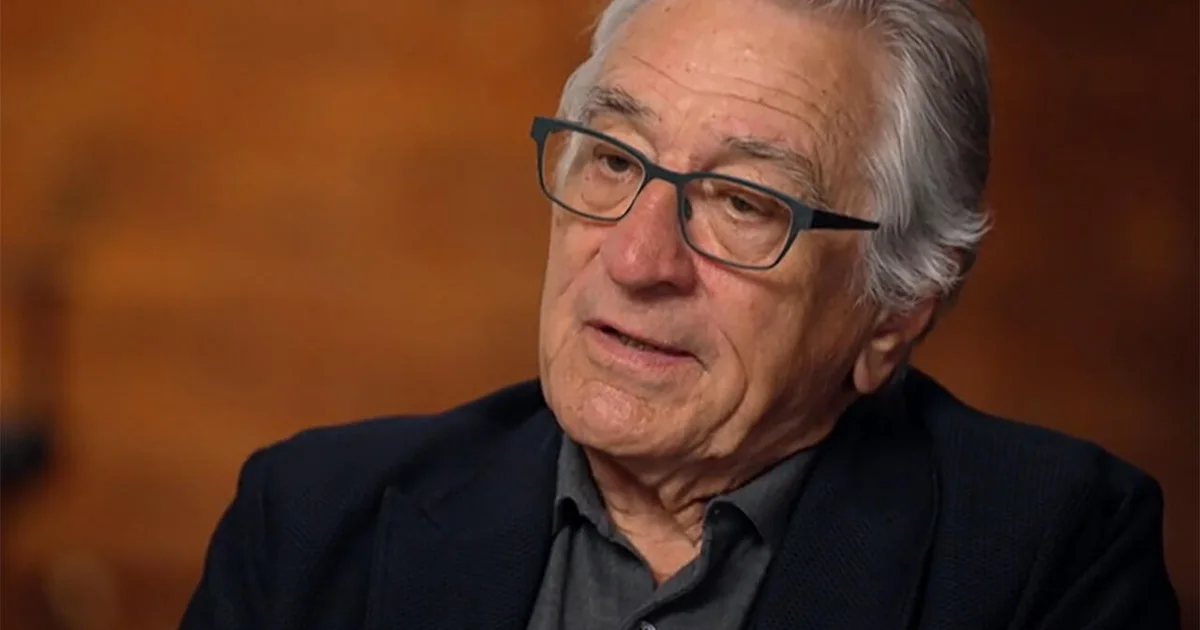

Film icon Robert De Niro, an influential figure in New York City, reflects on the profound impact of the September 11 attacks as they unfolded in his Lower Manhattan neighborhood. With a connection to the area, De Niro recounts his experiences during the tragedy and the subsequent transformation of the city. In response to this calamity, he and collaborator Jane Rosenthal founded the Tribeca Film Festival, which opened its doors just eight months after the attacks, serving as a beacon of hope and resilience for the community.
| Article Subheadings |
|---|
| 1) The Personal Impact of 9/11 on De Niro |
| 2) The Birth of the Tribeca Film Festival |
| 3) De Niro’s Commitment to Community Healing |
| 4) The Festival’s Evolution and Cultural Impact |
| 5) Reflecting on 25 Years: The Future Ahead |
The Personal Impact of 9/11 on De Niro
The events of September 11, 2001, left an indelible mark on the lives of countless individuals, including Robert De Niro. With his roots firmly planted in Lower Manhattan, De Niro experienced the attacks both personally and deeply. He was preparing to fly to California on that fateful day when fate intervened. Instead of heading to the airport, he returned to his neighborhood, where he witnessed the catastrophic destruction firsthand. As described by him,
“I was at a meeting in Midtown, and instead of going to the airport, I came back down here, and saw the tower, the North Tower, the smoke coming out, and so on. And then saw the South Tower fall.”
Seeing one of the Twin Towers collapse was an unimaginable experience for De Niro, who stated,
“I couldn’t believe it. I looked to my left where I have a big television and so confirmed it on CNN.”
The shock and disbelief highlighted the surreal nature of the tragedy, as he affirmed that even when seeing it unfold live, it felt unreal. Days following the attacks, the once vibrant Lower Manhattan became eerily deserted, prompting a profound realization of the city’s fragility.
The Birth of the Tribeca Film Festival
In the unsettling aftermath of 9/11, both De Niro and his business partner, Jane Rosenthal, felt compelled to act. With their community in disarray, they sought innovative ways to foster healing and revival. Rosenthal recalled her feelings as a mother and a resident of the area, expressing the fear of potential future attacks but also a burning desire to take action. She posed the question that propelled their initiative forward:
“How can we help?”
The notion of organizing a film festival in Tribeca had been discussed prior to the attacks, but the urgency to employ art as a means of communal healing grew exponentially in light of the tragedy. In May 2002, only eight months after September 11, the inaugural Tribeca Film Festival commenced. The event attracted substantial attention, drawing both local and international crowds, and even notable figures like Nelson Mandela.
De Niro’s Commitment to Community Healing
The impetus behind the Tribeca Film Festival extended beyond mere entertainment; it represented a collective effort to knit together a fractured community. De Niro articulated the festival’s role, stating,
“It just seemed like the right thing to do.”
His determination to provide a respite from despair galvanized thousands of attendees during its first year. Rosenthal further emphasized the festival’s significance, asking:
“How do you give your neighbors a hug and say, ‘This is going to be okay?'”
Through the festival, the community sought a semblance of normalcy and something to look forward to amidst the grieving. The turnout of over 150,000 people during that first event demonstrated not only the appetite for cinema but also a yearning for connection and hope. De Niro’s unyielding belief in the festival’s necessity emerged as a crucial element, as he remarked,
“I wasn’t thinking, I was just being, ‘We’re going to do it.’
The Festival’s Evolution and Cultural Impact
Over the years, the Tribeca Film Festival has experienced significant growth, expanding beyond traditional film screenings to include a myriad of cultural events such as concerts, filmmaker talks, and industry panels. As the festival celebrates its 25th anniversary, a new documentary titled “Tribeca 25” will premiere, reflecting on its extraordinary journey since inception. De Niro emphasized that the festival not only spotlighted filmmakers but also acted as an essential platform for cultivating support for struggling artists and communities.
“In 25 years, the Tribeca Festival has brought thousands of films and millions of dollars to Lower Manhattan, helped launch careers of directors like Ryan Coogler and Damien Chazelle, among others, and revived a city,” he noted proudly. The festival challenged the narrative surrounding post-9/11 New York, reinventing it as a cultural hub rather than a site of trauma.
Reflecting on 25 Years: The Future Ahead
As the festival approaches its landmark anniversary, De Niro looks back with a sense of accomplishment. The Tribeca Film Festival was conceived in a moment of adversity and has emerged as a beacon for creative expression and resilience. “I’m very proud of what we’ve done,” he stated, reflecting on the significant impact the festival has made on both Lower Manhattan and the broader artistic community.
The ongoing mission to use art as a vehicle for healing remains at the forefront of the festival’s ethos. As both De Niro and Rosenthal aim to navigate contemporary challenges, they reaffirm their commitment to community engagement through the arts. De Niro articulated this fundamental belief:
“We’re a festival that was started because of an act of war. It was to say to the rest of the world, ‘We’re still here.'”
| No. | Key Points |
|---|---|
| 1 | De Niro witnessed the September 11 attacks firsthand, impacting his view of Lower Manhattan. |
| 2 | In response to 9/11, De Niro and Rosenthal initiated the Tribeca Film Festival as a healing platform. |
| 3 | The first festival attracted over 150,000 attendees, emphasizing a community desire for hope. |
| 4 | The festival has evolved to showcase a broad range of cultural events, highlighting resilience. |
| 5 | De Niro remains committed to using art to tackle contemporary issues and foster community evolution. |
Summary
The legacy of the Tribeca Film Festival highlights the power of art in responding to disaster and unimaginable loss. Founded in the turmoil of 9/11, the festival has continued to evolve as a pivotal cultural event, fostering hope, creativity, and resilience. In recognizing its extraordinary journey over the last 25 years, both De Niro and Rosenthal emphasize that art can serve as a response to trauma and a pathway towards healing a broken community.
Frequently Asked Questions
Question: Why was the Tribeca Film Festival created?
The Tribeca Film Festival was created in the aftermath of the September 11 attacks as a means to revitalize Lower Manhattan and provide a platform for artistic expression and community healing.
Question: Who were the key figures behind the festival’s founding?
The key figures behind the founding of the Tribeca Film Festival are film icon Robert De Niro and producer Jane Rosenthal, who sought to offer a positive outlet for their community after the tragedy.
Question: What impact has the Tribeca Film Festival had over the years?
The Tribeca Film Festival has positively impacted Lower Manhattan by boosting its economy, bringing cultural events to the area, and launching the careers of numerous filmmakers, while also serving as a space for community resilience and healing.
