

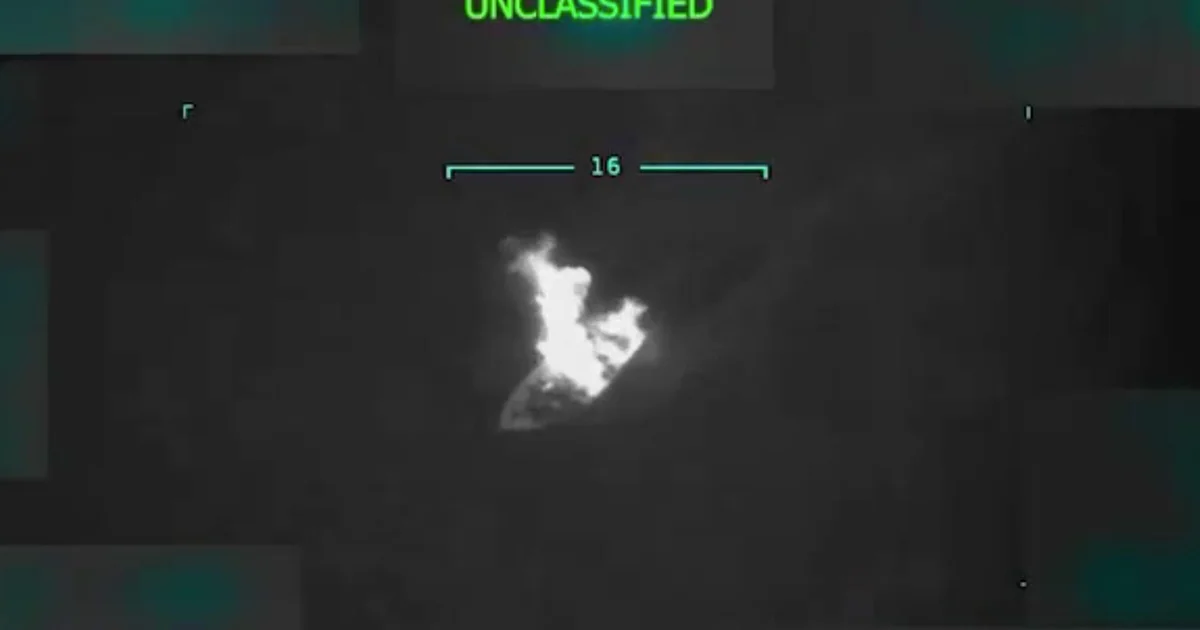

In a significant move, Congress is taking steps to scrutinize military operations by withholding part of Defense Secretary Pete Hegseth‘s travel budget until the Pentagon provides footage related to strikes on alleged drug-smuggling boats near Venezuela. This decision comes as part of the National Defense Authorization Act, an extensive defense policy bill that authorizes nearly $901 billion in military spending. Lawmakers hope to pass this bill with bipartisan support, reflecting a growing demand for transparency and accountability regarding military actions.
| Article Subheadings |
|---|
| 1) Background of the National Defense Authorization Act |
| 2) Recent Military Strikes and Their Controversies |
| 3) Congressional Actions and Funding Implications |
| 4) Political Reactions and Statements |
| 5) Implications for Future Military Engagement |
Background of the National Defense Authorization Act
The National Defense Authorization Act (NDAA) has served as an essential legislative vehicle for the United States government since its inception over six decades ago. The act outlines the budget and expenditures for the Department of Defense and establishes policies concerning military operations and personnel. This year’s bill proposes an authorization of nearly $901 billion, a figure that includes funding for personnel, operations, equipment, and research, ensuring that the military remains well-equipped to engage in various global conflicts. The NDAA has historically garnered bipartisan support, highlighting a unified approach to national defense amidst shifting political landscapes.
Recent Military Strikes and Their Controversies
Recent military operations have raised questions about legality and morality, particularly those concerning alleged drug-smuggling boats near Venezuela. On September 2, an initial strike targeting a boat resulted in the deaths of two presumed drug traffickers. Subsequent reports have surfaced about another strike that killed these two survivors, raising significant concern regarding military protocol. Reports indicate that the survivors were seen signaling for help before their demise, intensifying scrutiny from human rights defenders and lawmakers alike. Such incidents not only strain bilateral relations but also challenge the ethical stances of military engagements undertaken in the name of national security.
Congressional Actions and Funding Implications
In light of the aforementioned events, Congress has maneuvered to implement provisions within the NDAA that could affect the budget of Secretary Hegseth‘s office. Particularly, there is a mandate to withhold a quarter of the travel funds until the Pentagon provides previously unreleased footage of the military’s operations in the Caribbean Sea. Additionally, lawmakers are demanding overdue reports on military lessons learned from engagements in Ukraine, reflecting a desire for accountability in military spending. This move signals an emerging bipartisan consensus on the necessity for greater oversight, challenging existing military protocols and transparency practices.
Political Reactions and Statements
Political reactions have been swift in response to these developments. During a recent press briefing, President Trump expressed his willingness to support the release of the categorized footage, stating,
“I don’t know what they have, but whatever they have we’ll certainly release, no problem.”
However, the president subsequently tempered his enthusiasm, asserting he was comfortable with whatever his administration’s personnel decided regarding release of the footage. This inconsistency in messaging raises further questions about the administration’s commitment to transparency.
Implications for Future Military Engagement
The decision to withhold funding until footage is released could set a precedent for future military engagements. It signifies a shift within congressional attitudes toward military oversight, indicating that lawmakers are no longer willing to accept vague justifications for military actions. Looking ahead, it remains to be seen how the military will balance operational secrecy with the demands for accountability from Congress. The implications of this scrutiny could extend well beyond current operations, affecting the strategic choices made by military officials in the years to come.
| No. | Key Points |
|---|---|
| 1 | Congress is withholding part of Secretary Hegseth‘s travel budget until the Pentagon releases military operation footage. |
| 2 | The National Defense Authorization Act proposes a budget of nearly $901 billion for defense spending. |
| 3 | There have been concerns about the legality of the military’s recent strikes against alleged drug traffickers. |
| 4 | Calls for transparency are echoed by lawmakers seeking comprehensive reports on military actions. |
| 5 | The evolving congressional stance indicates a potential shift in military engagement protocols going forward. |
Summary
The recent actions by Congress to withhold part of the defense budget reflect a growing emphasis on military accountability and transparency. As lawmakers seek a comprehensive understanding of military operations, significant questions remain regarding the legality of current strikes and the ethical implications of U.S. military actions abroad. This scrutiny could reshape the dynamics of military engagements in the future, setting a standard for transparency and oversight that may redefine how the military operates in international contexts.
Frequently Asked Questions
Question: What conditions must be met for Secretary Hegseth’s travel funds to be released?
A quarter of Hegseth‘s travel budget will be withheld until the Pentagon submits unedited video footage of military strikes and overdue reports regarding military operations in Ukraine.
Question: Why has there been scrutiny over the military’s latest operations?
Critics are concerned about the legality of military actions, particularly following reports that survivors of an earlier strike were killed in subsequent operations, raising questions about adherence to military engagement rules.
Question: What role does the National Defense Authorization Act play?
The NDAA is an essential legislative measure that enables Congress to allocate funding for the Department of Defense and to set policies for military operations and personnel management.
