

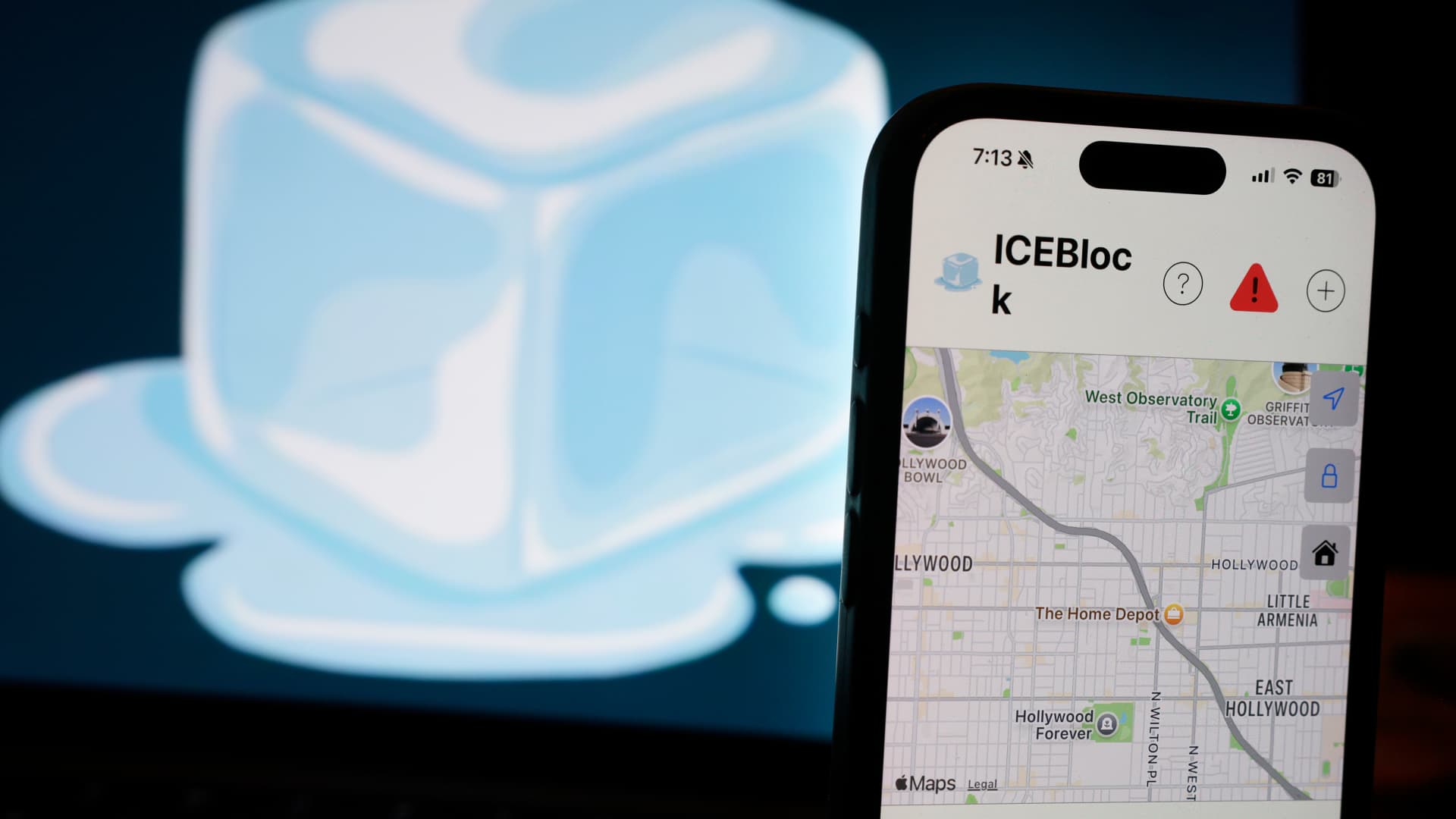

The recent legal dispute involving the developer of the ICEBlock app has sparked significant attention as it raises concerns about free speech and government intervention in technology. Joshua Aaron, the creator of the app that tracks local law enforcement sightings, has filed a lawsuit against the U.S. government, alleging that it pressured Apple into removing the application from its store. This case not only addresses the implications of First Amendment rights but also highlights a growing trend of tech companies facing the dilemma of regulatory compliance versus protecting user-generated content.
| Article Subheadings |
|---|
| 1) Background of the ICEBlock App |
| 2) Lawsuit Against the U.S. Government |
| 3) Implications for Free Speech |
| 4) Historical Context of Similar Cases |
| 5) Public Response and Future Outlook |
Background of the ICEBlock App
The ICEBlock app was launched by Joshua Aaron in April 2023, amid heightened tensions surrounding immigration enforcement in the United States. The app was designed to allow users to report sightings of U.S. Immigration and Customs Enforcement (ICE) agents and other law enforcement activities. Its creation stemmed from frustrations with what many saw as excessive crackdowns on immigrants, particularly during the Trump administration. Data collected by the University of California at Berkeley indicated that a significant portion of those arrested had no criminal history, reflecting the controversial nature of ICE operations.
Beyond merely serving as a reporting tool, ICEBlock aimed to facilitate community awareness and safety. However, the app’s removal from the Apple App Store in October 2023 raised questions regarding the treatment of surveillance-related tools in an era of complex immigration issues. With the app’s intended purpose being to empower citizens, its ban has elicited a wave of discussions about the intersection of technology and civil liberties.
Lawsuit Against the U.S. Government
Following the removal, Joshua Aaron decided to take a stand against the perceived infringement of his rights by filing a lawsuit against the U.S. government. This lawsuit claims that the Trump administration, particularly through efforts led by U.S. Attorney General Pam Bondi, coerced Apple into removing the app. According to Aaron’s legal team, this action violated his First Amendment rights by effectively suppressing a platform for free expression.
The suit highlights a critical communication between the U.S. Department of Justice (DOJ) and Apple, wherein the DOJ allegedly exerted regulatory pressure on the tech giant to eliminate the app under the pretext that it posed a risk to law enforcement officers. Aaron’s attorneys assert that this constitutes a blatant overreach of governmental authority, arguing that such coercion sets a dangerous precedent that silences dissent and quashes public discourse.
Implications for Free Speech
The ongoing case brings to light significant implications for free speech in the digital age. As technology continues to reshape how we communicate and access information, questions arise about the boundaries of expression through apps and digital platforms. The actions taken against ICEBlock serve as a stark reminder of the challenges faced by developers whose creations may face backlash from powerful entities.
Aaron’s assertion that civic engagement and vigilance are necessary to safeguard democracy underscores the historical importance of free expression. In defending his app, he has articulated a vision of a country where citizens engage actively with their government, especially when they perceive wrongdoing. “It is our duty to hold them accountable,” he has stated, reiterating the need for citizen involvement in a democratic society and the role technology plays in this dynamic.
Historical Context of Similar Cases
This is not the first instance where app removals have occurred under similar circumstances. In 2019, Apple faced criticism for removing an application that facilitated tracking police movements during protests in Hong Kong. The tech giant claimed its decision was based on concerns that the app was being misused by criminals to target police, drawing varied responses across the global community.
The historical precedent of technology companies being asked to censor or remove applications under governmental pressure reveals a complex relationship between regulation, privacy, and the public sphere. Such measures not only influence the availability of information but also alter the landscape of civil liberties. Many advocates fear that these trends could lead to broader censorship, wherein the availability of certain technologies is compromised based on governmental pressures.
Public Response and Future Outlook
As news of the lawsuit spreads, the public reaction has been mixed. Supporters argue that the case is a pivotal moment for free speech and the protection of digital rights, while critics contend it endangers law enforcement’s ability to protect the community. This case showcases the delicate balance between civil liberties and the imperative for safety.
Moving forward, the outcome of this lawsuit may set significant legal precedents regarding the obligations of tech companies in responding to governmental pressure. Observers are keenly waiting to gauge how Apple and other tech firms will navigate their responsibilities towards users while balancing governmental directives. Depending on the ruling, future applications faced with similar challenges could either flourish in a climate supportive of free expression or restrict themselves in fear of punitive actions from powerful governmental entities.
| No. | Key Points |
|---|---|
| 1 | Joshua Aaron’s ICEBlock app aimed to empower communities by tracking ICE activities. |
| 2 | The U.S. government pressured Apple to remove the app, igniting a lawsuit over First Amendment rights. |
| 3 | The lawsuit raises critical questions about free speech in the age of technology. |
| 4 | This case is part of a broader historical context of tech censorship pressures from governments. |
| 5 | Outcomes of the lawsuit could influence future tech-company-government relationships. |
Summary
The lawsuit filed by Joshua Aaron against the U.S. government over the removal of the ICEBlock app shines a light on the complexities surrounding free speech and technology. As the case unfolds, it raises substantive questions regarding the balance between public safety and civil liberties. The outcome could have far-reaching implications not only for similar apps but also for the ongoing dialogue about the role of technology in a democratic society.
Frequently Asked Questions
Question: What is the purpose of the ICEBlock app?
The ICEBlock app was designed to allow users to report sightings of ICE agents and other law enforcement activities to increase community awareness and safety.
Question: What triggered the lawsuit against the U.S. government?
The lawsuit was triggered by the U.S. government’s pressure on Apple to remove the ICEBlock app, which Joshua Aaron claims infringed on his First Amendment rights.
Question: How has public reaction been towards the lawsuit?
Public reaction has been mixed, with some supporting the case as a crucial fight for free speech while others express concern about its potential effects on law enforcement.
