

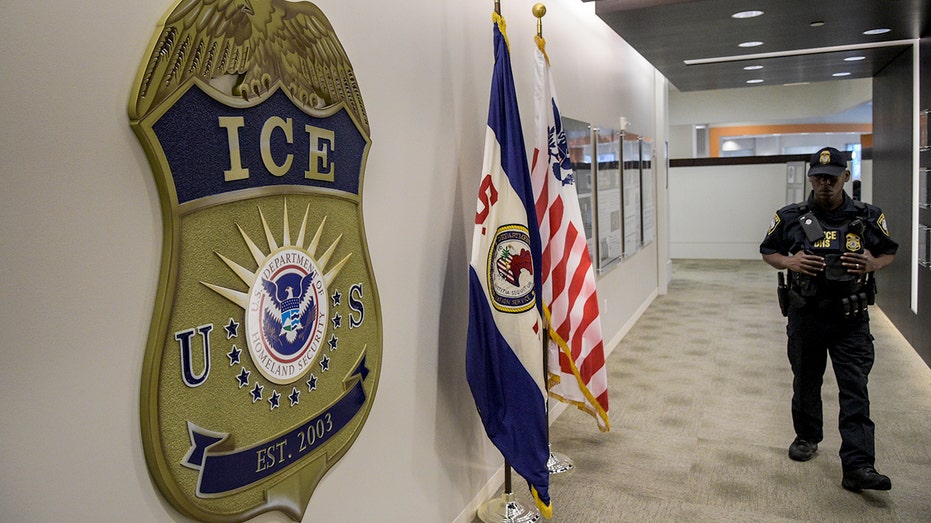

The Department of Homeland Security has issued immediate guidance directing ICE attorneys to seek early dismissal of asylum applications that appear legally insufficient. The instruction applies to cases handled by the Office of the Principal Legal Advisor and calls for motions to pretermit in immigration court. Immigration judges will make the final decisions on whether those motions should be granted. The policy is intended to speed valid asylum cases while challenging deficient applications earlier in the process.
| Article Subheadings | |
|---|---|
| 1) | Immediate guidance for ICE attorneys |
| 2) | How motions to pretermit work |
| 3) | The policy’s effect on asylum processing |
| 4) | Broader efforts to address asylum fraud |
| 5) | The administration’s wider asylum strategy |
Immediate guidance for ICE attorneys
The new Department of Homeland Security guidance took effect immediately and applies to all cases involving facially insufficient asylum claims handled by attorneys in U.S. Immigration and Customs Enforcement’s Office of the Principal Legal Advisor. Those government attorneys are expected to review asylum applications and identify claims that do not meet the legal standard based on the application itself.
When attorneys conclude that an application is legally deficient on its face, the guidance directs them to ask an immigration court to dismiss it before a full merits hearing. The change affects how the government litigates asylum cases and is designed to move legally viable claims through the system while addressing insufficient claims at an earlier stage.
How motions to pretermit work
A motion to pretermit is a request for an immigration judge to deny an asylum application without conducting a full evidentiary hearing on the merits. The government uses the motion when it argues that the application, even if its factual allegations are accepted for purposes of the legal review, does not satisfy the requirements for asylum.
The directive does not give ICE attorneys final authority to reject a claim. Immigration judges retain responsibility for deciding whether a motion to pretermit should be granted. The court process therefore remains the mechanism for determining whether an application is legally insufficient and whether the case should proceed to a full hearing.
The policy’s effect on asylum processing
DHS said the approach is intended to improve the handling of asylum cases by separating claims that meet the legal requirements from those that do not. Applications that appear legally sufficient can continue toward adjudication, while claims identified as deficient may be challenged before the government and the court spend additional time preparing for a merits hearing.
The guidance comes as the administration seeks to reduce delays in the immigration court system. Earlier this year, officials streamlined parts of the affirmative asylum process by allowing certain applications to move directly to immigration court without first undergoing asylum interviews. The administration said that change would reduce duplicative reviews and help address the court backlog.
Broader efforts to address asylum fraud
The new litigation instruction also extends the administration’s focus on alleged fraud in the asylum system. Officials have continued efforts to hold attorneys accountable when they believe lawyers facilitated fraudulent applications, adding enforcement and financial penalties to the government’s response.
In recent months, ICE announced a policy allowing the agency to pursue civil penalties against attorneys accused of facilitating fraudulent asylum claims. The agency later sought nearly $500,000 in financial penalties against a New York immigration attorney accused of filing fraudulent applications. Those allegations and any related penalties are separate from the early-dismissal procedure described in the new guidance.
The administration’s wider asylum strategy
The directive is part of a broader effort by the Trump administration to reshape asylum processing through changes in enforcement, case review and immigration court litigation. Rather than waiting for every claim to reach a full evidentiary hearing, government attorneys are being directed to contest applications they believe fail to satisfy the law at the outset.
The policy places greater emphasis on early legal screening while leaving immigration judges to make the final rulings. Its practical effect will depend on how frequently prosecutors file motions, how courts evaluate them and how quickly valid asylum claims can move through a system facing a substantial backlog.
| Number | Key Point |
|---|---|
| 1 | The guidance took effect immediately. |
| 2 | ICE attorneys are directed to seek early dismissal of facially insufficient asylum claims. |
| 3 | Immigration judges will decide whether motions to pretermit are granted. |
| 4 | The policy is intended to accelerate valid cases and challenge deficient claims earlier. |
Summary
DHS’s immediate directive changes the government’s approach to asylum litigation by encouraging early challenges to applications that do not meet legal requirements on their face. The policy preserves immigration judges’ authority to decide those challenges and forms part of a wider effort to reduce backlogs, streamline processing and combat alleged fraud. Its implementation will determine how many cases are resolved before full merits hearings.
Frequently Asked Questions
What is the new DHS guidance?
It directs ICE attorneys in the Office of the Principal Legal Advisor to seek early dismissal of asylum applications they determine are legally insufficient on their face.
What is a motion to pretermit?
It is a request asking an immigration judge to deny an asylum application before a full merits hearing because the government argues that the claim does not satisfy the legal standard.
Who makes the final decision?
Immigration judges decide whether motions to pretermit should be granted. The directive does not transfer that authority to ICE attorneys.
Why was the policy issued?
The administration says the approach can speed the adjudication of legally sufficient claims, address deficient applications earlier and support broader efforts to reduce immigration court backlogs and combat asylum fraud.
