

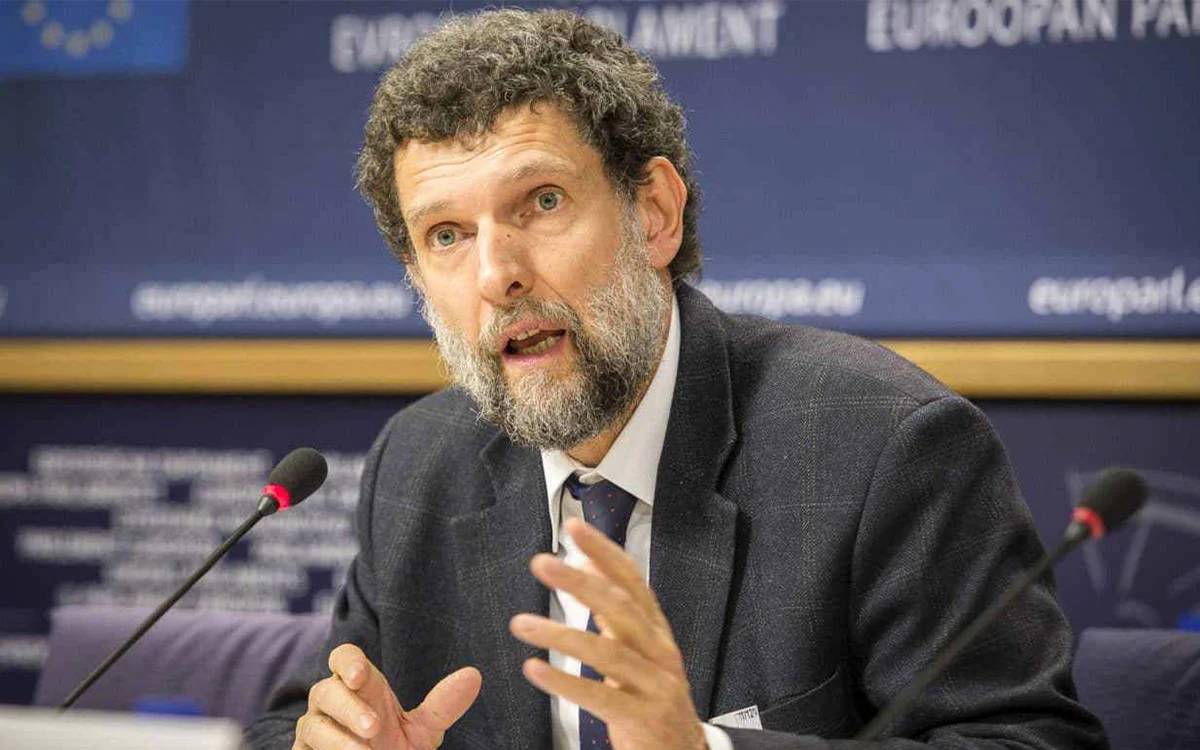

The European Court of Human Rights (ECtHR) has issued a significant ruling concerning the case of Turkish philanthropist and businessman Osman Kavala, determining that Turkey must release him from custody as soon as possible. Kavala’s long-standing detention, which originated from his alleged involvement in the Gezi Park protests in 2013, has drawn international attention due to claims of political motivation behind his imprisonment. This latest ruling, noted for its extensive examination of the fairness of Kavala’s criminal proceedings, not only confirms violations of multiple articles of the European Convention on Human Rights but also highlights systemic issues within Turkey’s judiciary.
| Article Subheadings |
|---|
| 1) Who is Osman Kavala? |
| 2) Prior ECtHR rulings on the Kavala case |
| 3) Kavala’s domestic proceedings in Turkey |
| 4) A chilling effect on civil society |
| 5) Kavala’s case is evidence of a systemic problem |
Who is Osman Kavala?
Osman Kavala is a prominent Turkish businessman, philanthropist, and advocate for civil rights. His initial arrest took place in 2017, primarily due to accusations related to funding the Gezi Park protests that occurred in 2013, which were aimed at opposing government policies. Kavala’s involvement in various civil society initiatives and his commitment to human rights have made him an influential figure despite his detention. His case has garnered widespread attention from numerous human rights organizations worldwide, who argue that his imprisonment is politically motivated and part of an effort to suppress dissenting voices in Turkey.
Prior ECtHR rulings on the Kavala case
The legal saga surrounding Osman Kavala has taken several turns, with the ECtHR issuing multiple rulings over the years. The first significant judgment occurred on December 10, 2019, when the court addressed Kavala’s pre-trial detention related to the Gezi Park actions and the failed coup attempt of July 15, 2016. In this ruling, the ECtHR concluded that there was insufficient evidence to justify Kavala’s detention, finding that it had served ulterior motives not permitted by the European Convention on Human Rights. As a result of these findings, the court mandated Kavala’s immediate release.
After Kavala remained imprisoned even following the Court’s 2019 ruling, the Committee of Ministers initiated infringement proceedings against Turkey in early 2022 to address the non-compliance with the binding judgment. A subsequent ruling on July 11, 2022, again found Turkey in violation of the Convention. Despite these legal setbacks for Turkey, Kavala’s legal troubles continued as the charges against him were reformulated rather than substantiated with new evidence, leading to further calls for his release.
Kavala’s domestic proceedings in Turkey
Following his initial detention on October 18, 2017, Kavala faced an array of charges ranging from attempting to violently overthrow the government related to the Gezi Park protests to espionage accusations. In February 2020, the İstanbul 30th Assize Court unexpectedly acquitted him and ordered his release, a decision that was not honored as Kavala was re-arrested the same day under new charges. This legal back-and-forth continued until an April 2022 verdict led to Kavala being sentenced to aggravated life imprisonment. Throughout the proceedings, there has been a consistent lack of evidence linking Kavala directly to any violence or illegal activities.
A chilling effect on civil society
The ECtHR has underscored that many of Kavala’s activities fall well within the protected realms of freedom of expression and peaceful assembly. Actions such as promoting public dialogue, supporting civil initiatives, and engaging in documented human rights activities are typical of an active civil society participant. However, the Turkish government has contended that Kavala’s actions were overly politicized, claiming they could be seen as incitement given the incidents of violence during the Gezi protests. The ECtHR emphatically rejected this reasoning, asserting that individuals retain their rights to free expression and assembly even amid chaotic events, provided their own actions remain peaceful. This distinction is crucial as it sets a precedent against equating lawful civil engagement with criminal liability.
Kavala’s case is evidence of a systemic problem
In issuing its ruling, the ECtHR articulated that Kavala’s situation reflects broader, systematic issues plaguing the Turkish judicial system. The court recognized his plight as representative of ongoing legal injustices faced by numerous political opponents, activists, and journalists who have been similarly targeted under ambiguous or exaggerated accusations. This ruling speaks to the chilling atmosphere regarding civil rights in Turkey, where dissent is frequently suppressed under the guise of legality. The wider implications of this case highlight a critical need for reform within the Turkish judiciary to ensure fair trials and protect freedoms outlined in the European Human Rights Convention.
| No. | Key Points |
|---|---|
| 1 | Osman Kavala was detained in 2017, accused of funding protests, and has been imprisoned despite acquittal of initial charges. |
| 2 | The ECtHR ruled in favor of Kavala, mandating his release and citing violations of multiple articles of the European Human Rights Convention. |
| 3 | Kavala’s legal challenges reflect broader systemic issues in Turkey’s judiciary, impacting many activists and political opponents. |
| 4 | The Turkish government argues Kavala’s activities contributed to the unrest, a claim rejected by the ECtHR. |
| 5 | The case underscores the importance of judicial independence and the protection of civil liberties in a democratic society. |
Summary
The ruling by the European Court of Human Rights represents a critical moment for civil liberties and human rights advocacy in Turkey. By emphasizing systemic injustices and mandating the release of Osman Kavala, the Court has highlighted the necessity for ongoing scrutiny of the Turkish judicial system. This case serves as a reminder of the importance of adhering to international human rights standards and the role of legal institutions in safeguarding the freedoms of expression and assembly. As developments continue to unfold, the implications of this ruling may reverberate beyond Kavala’s case, impacting the broader landscape of civil society in Turkey.
Frequently Asked Questions
Question: What charges was Osman Kavala facing?
Osman Kavala was initially arrested on accusations related to the Gezi Park protests, including attempting to overthrow the government through violence and political espionage.
Question: What did the ECtHR rule regarding Kavala’s detention?
The ECtHR ruled that Kavala’s detention violated multiple articles of the European Convention on Human Rights, emphasizing the lack of a fair trial and the unjust nature of his prolonged imprisonment.
Question: What implications does Kavala’s case have for civil society in Turkey?
Kavala’s case highlights serious systemic issues within Turkey’s judiciary that threaten the freedoms of expression and assembly for activists and dissenters, emphasizing the need for reforms to uphold democratic principles.
