

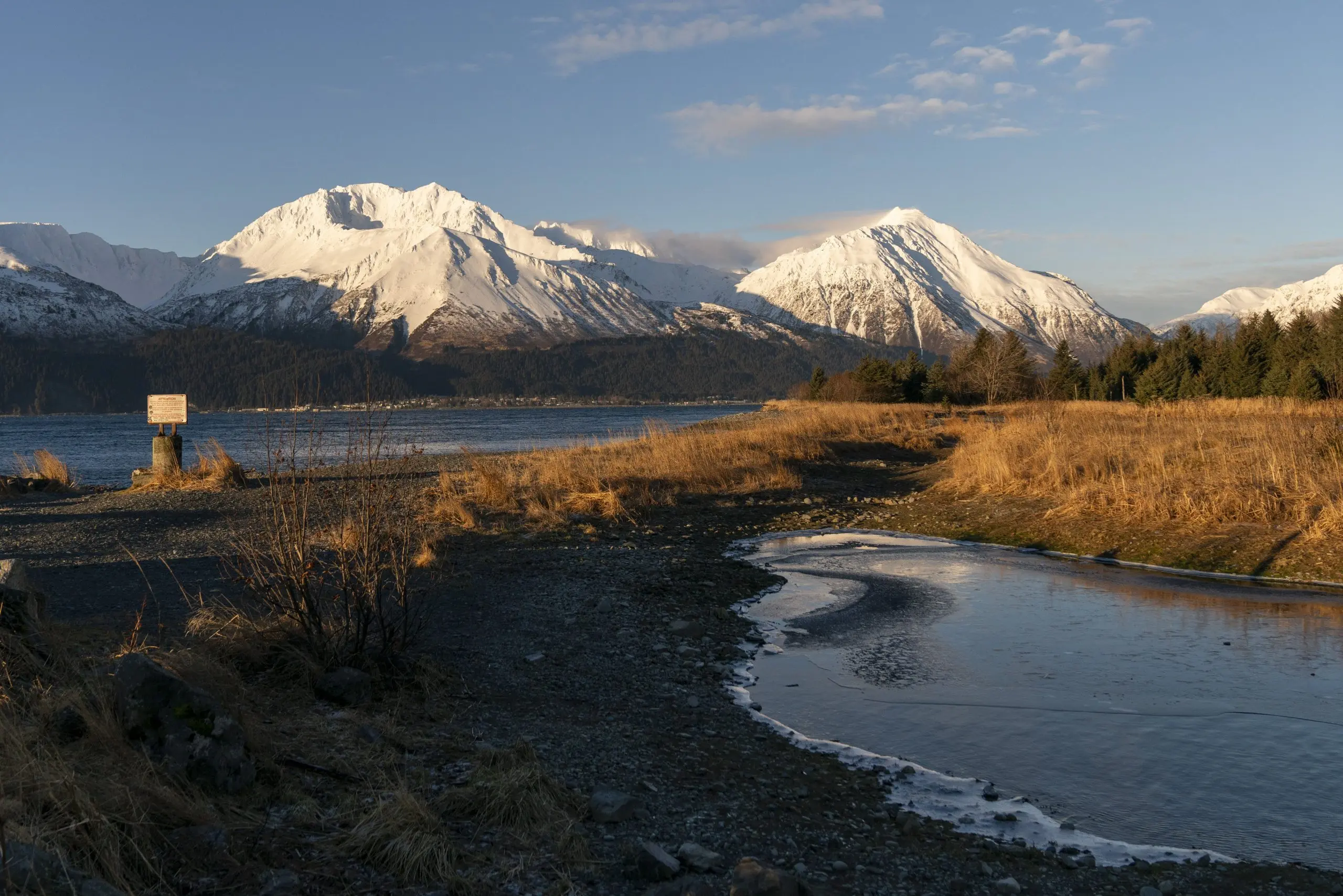

A tragic aviation accident occurred in western Alaska, claiming the lives of eight individuals on board a charter plane. The twin-engine Cessna, operated by Security Aviation, crashed while approaching the Cape Newenham Long Range Radar Site Airport, situated about 450 miles west of Anchorage. As authorities investigate the incident, local leaders express their condolences and gratitude to the responders involved in the search and rescue efforts.
| Article Subheadings |
|---|
| 1) Details of the Fatal Crash |
| 2) Response from Authorities and Officials |
| 3) Community Reactions and Condolences |
| 4) Investigation Overview |
| 5) Significance of Aviation Safety |
Details of the Fatal Crash
On Thursday, a tragic plane crash resulted in the death of all eight passengers aboard a chartered flight operated by Security Aviation. The incident took place as the aircraft—a twin-engine Cessna—was making its approach to the Cape Newenham Long Range Radar Site Airport. Authorities indicated that the plane was en route from Anchorage to Cape Newenham, which is around 450 miles west of Anchorage and approximately 40 miles south of Goodnews Bay.
The U.S. military confirmed the news through reports and stated that they were coordinating the crash response. The incident left no survivors, with both pilots and six passengers confirmed deceased. The Alaska Rescue Coordination Center swiftly launched a search-and-rescue operation upon receiving word of the crash, utilizing resources to locate and assist if possible, although sadly, it was soon learned that there were no survivors.
Response from Authorities and Officials
After the crash, officials from various agencies responded quickly. The U.S. Air Force, in particular, voiced their sorrow regarding the incident. Lt. Gen. Robert Davis, who commands Alaskan Command and is a key figure in the North American Aerospace Defense Command Region, expressed the sentiment shared among many within the military community. He stated,
“This is a devastating loss for our military family and the communities we serve.”
In addition to the Air Force, the National Transportation Safety Board (NTSB) dispatched personnel to begin investigating the crash. Clint Johnson, chief of the NTSB’s Alaska region, provided details about the plane’s prior operations and underscored that investigations would seek to understand the factors leading up to the accident.
Community Reactions and Condolences
The crash reverberated through local communities, prompting an outpouring of grief and solidarity. U.S. Senator Lisa Murkowski, representing Alaska, took to social media to share her condolences. She remarked on her own experiences with Security Aviation, highlighting the reliability and professionalism she had encountered with the pilots, stating,
“I join Alaskans in condolences as we learn of the plane crash in Cape Newenham today.”
Murkowski expressed her appreciation for the first responders and agencies that rushed to the site, including the U.S. Coast Guard, Alaska State Troopers, and personnel from the Rescue Coordination Center. The senator’s comments underscored the communal bonds felt among Alaskans during times of tragedy.
Investigation Overview
As part of the investigation into the accident, the NTSB will employ meticulous procedures to piece together the events leading to the crash. Their inquiry will involve examining flight data, weather conditions, pilot actions, and aircraft maintenance records. Safety experts will analyze these factors to formulate conclusions regarding the possible causes of the incident.
Historical context suggests that aviation incidents in remote areas such as western Alaska can be influenced by a variety of conditions, including adverse weather, challenging flight operations, and the inherent risks of flying in secluded regions. The case serves as a somber reminder of the importance of stringent safety measures within the aviation industry.
Significance of Aviation Safety
The crash highlights ongoing concerns about aviation safety, particularly in challenging environments like Alaska, where geography and weather can create significant challenges. The region is known for its remote locations and unpredictable conditions, which increase the complexity of aviation operations.
In light of this incident, stakeholders within the aviation sector may be prompted to reevaluate safety protocols for charter flights. This includes revisiting training programs for pilots and assessing the mechanical integrity of aircraft. There is a shared hope that through thorough investigations, industry-wide lessons can be learned to prevent similar tragedies in the future.
| No. | Key Points |
|---|---|
| 1 | A chartered Cessna plane crashed near Cape Newenham, Alaska, killing all eight people on board. |
| 2 | The aircraft was operated by Security Aviation and was en route from Anchorage when it went down. |
| 3 | Emergency response included local and military agencies, with no survivors reported. |
| 4 | Senator Lisa Murkowski expressed condolences and highlighted the community’s loss. |
| 5 | The NTSB has announced an investigation to determine the crash’s causes. |
Summary
The crash of the Security Aviation charter plane has resulted in a profound loss for Alaska, leaving families shattered and a community mourning. As investigations proceed to uncover the causes behind this tragedy, the importance of aviation safety remains paramount. This incident serves as a critical reminder of the potential dangers associated with aviation, particularly in remote areas, urging continuous improvements in safety protocols and training to safeguard future flights.
Frequently Asked Questions
Question: How many people were on board the crashed plane?
There were eight people on board the crashed Cessna, including two pilots and six passengers.
Question: What type of aircraft was involved in the crash?
The aircraft involved in the crash was a twin-engine Cessna, operated by Security Aviation.
Question: What is the role of the NTSB in this incident?
The National Transportation Safety Board (NTSB) is responsible for investigating the crash to determine its causes and contributing factors.
