

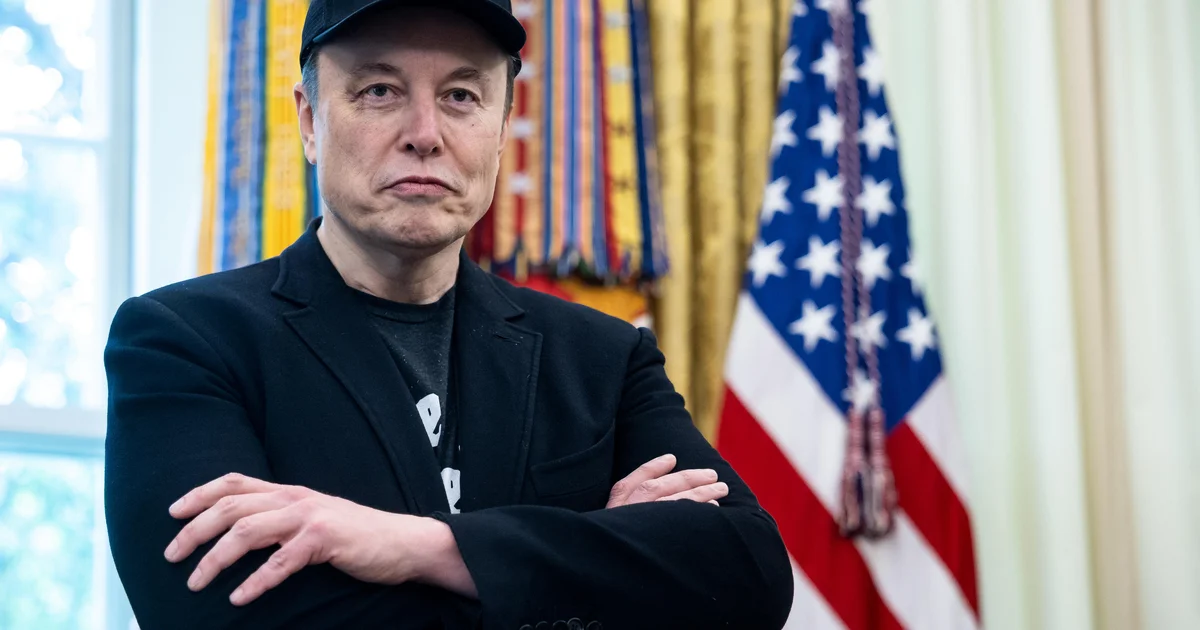

In a significant political maneuver, billionaire entrepreneur Elon Musk contributed $158 million to support Republican Senate candidates in Texas, according to recent filings from the Federal Election Commission (FEC). This major donation comes as the state’s Senate race heats up, with Republican candidate Ken Paxton facing off against Democratic challenger James Talarico. The competitive dynamic of this election and Musk’s return to large-scale political donations reveal the critical influence of big-money donors in shaping electoral outcomes as the 2024 election cycle approaches.
| Article Subheadings |
|---|
| 1) Musk’s Major Donation and Its Recipients |
| 2) The Competitive Landscape in Texas |
| 3) The Political Implications of Musk’s Support |
| 4) Future Political Contributions from Musk |
| 5) Reactions and Predictions for November |
Musk’s Major Donation and Its Recipients
In September, Elon Musk made headlines with a sizable donation of $158 million to the Senate Leadership Fund, a super PAC that supports Republican candidates. Federal Election Commission filings reveal that almost immediately after Musk’s donation, the funds were redirected to another political action committee, which is backing Ken Paxton, the Republican candidate for the Texas Senate. In total, Musk’s contributions included two large payments—$75 million on September 9 and an additional $83 million two weeks later. These donations constituted more than half of the total receipts reported by the super PAC in the third quarter of this year.
This influx of resources is crucial for candidates like Paxton, given the financial advantage it provides in terms of campaigning, advertising, and grassroots organizing. Furthermore, this strategic contribution is not only aimed at bolstering Paxton’s efforts but is also indicative of Musk’s broader political strategies, especially for the upcoming elections.
The Competitive Landscape in Texas
The Texas Senate race currently features a tight contest between Ken Paxton and his opponent, James Talarico. Recent polling indicates a neck-and-neck race, with Talarico leading within the margin of error. His campaign focuses on emphasizing Paxton’s controversial past and the internal rifts among Texas Republicans following a fierce primary battle against incumbent Senator John Cornyn. The ability to secure Texas’s Senate seat is crucial for both parties, as it plays a significant role in determining the political balance in the Senate.
Talarico aims to be the first Democrat in over 30 years to win a statewide race in Texas. Drawing on the public’s discontent around Paxton’s historical scandals, his campaign seeks to mobilize moderate and independent voters who may feel disenchanted with the current political landscape. On the other hand, Paxton and his supporters argue that Talarico’s platform and ideology position him too far left for a predominantly Republican electorate.
The Political Implications of Musk’s Support
Musk’s hefty donation signifies his return to large-scale political contributions, previously marked by his financial backing of more than $250 million in support of President Donald Trump and other Republican candidates in previous cycles. As the political climate shifts and elections approach, Musk’s involvement is likely to influence more than just the Texas Senate race; it could have ripple effects on various elections across the nation.
The prominent businessman, known for his ventures with SpaceX and Tesla, may shape the future of the Republican Party and influence its strategies leading into the pivotal years ahead. This renewed engagement in political funding raises questions about the evolution of party alignments and the growing role of billionaires in American politics.
Future Political Contributions from Musk
Following his significant donations this fall, observers are curious about Musk’s long-term political giving intentions. After previously serving as a top donor in the 2024 election cycle, speculation surrounded whether he would continue such large-scale contributions. In the past, he hinted at reducing his political spending, suggesting humorously that he “had done enough.” However, his latest donations indicate a willingness to engage actively in the political arena.
Musk’s political action committee, America PAC, has also received substantial funding—over $80 million—targeting not only the Texas Senate race but various congressional contests. As Musk pushes to support candidates aligned with his interests, the implications could reshape the election landscape in subsequent races. This level of funding could provide Republicans with a significant advantage in competitive districts, effectively intensifying the political climate nationwide.
Reactions and Predictions for November
The response to Musk’s political donations has generated mixed sentiments among stakeholders. Proponents, particularly within the Republican Party, view these contributions as vital for ensuring their competitiveness against potential Democratic gains.
“If Democrats take control of Washington and win key gubernatorial and attorney general races this November, then America risks becoming a socialist, woke and borderless country,”
stated America PAC spokesperson Andrew Romeo. The urgency conveyed in Romeo’s comments underscores the belief within GOP circles that supporting candidates like Paxton is essential in maintaining political stability on the state and national levels.
Conversely, Democrats are rallying against this substantial influx of funds into Republican campaigns, interpreting it as a sign of desperation as they seek to capitalize on Republican divisions and scandals. As November approaches, many experts predict that the results of the Texas Senate race could serve as a bellwether for the general mood of the electorate leading into the presidential cycle. Voter turnout and engagement in this close contest will likely reflect broader sentiments about national governance and priorities, providing insights into future electoral strategies.
| No. | Key Points |
|---|---|
| 1 | Elon Musk donated $158 million to support Republican candidates in Texas. |
| 2 | Ken Paxton faces a challenging race against Democrat James Talarico. |
| 3 | Polling indicates a tight competition in the Texas Senate race. |
| 4 | Musk’s financial contributions significantly influence Republican campaigns. |
| 5 | Reactions to Musk’s donations reflect broader tensions within the political landscape. |
Summary
The substantial donations made by Elon Musk to support Republican candidates in Texas highlight the critical interplay between wealth and politics as the 2024 elections approach. As the state Senate race intensifies between Ken Paxton and James Talarico, the outcome could signal larger trends in national elections. Musk’s financial backing not only fortifies Republican efforts but opens discussions about the role of billionaires in the democratic process and how their influence shapes the political landscape. As voters prepare for November, this election will be pivotal in determining the balance of power in Congress and assessing the sentiment of the electorate on crucial issues.
Frequently Asked Questions
Question: Why is Elon Musk’s donation significant?
Elon Musk’s donation is significant as it represents a substantial financial influence in the political landscape, particularly in the context of a crucial Senate race in Texas, which could have broader implications for the Republican Party.
Question: Who are the main candidates in the Texas Senate race?
The main candidates in the Texas Senate race are Republican Ken Paxton and Democrat James Talarico, both of whom are vying for a seat that could influence the balance of power in the Senate.
Question: What impact could Musk’s contributions have on the election?
Musk’s contributions could significantly impact the election by providing financial resources necessary for campaign activities, advertisements, and outreach efforts, which may decide the competitive outcomes in closely contested races.
