

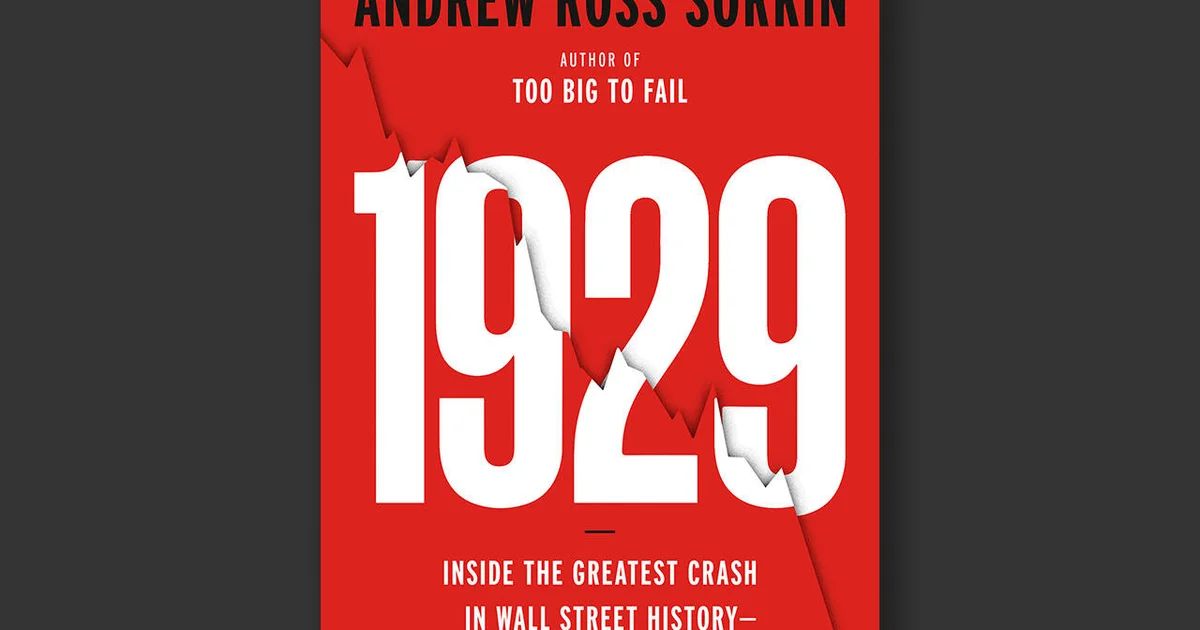

The events leading up to the stock market crash of 1929 showcased the turbulent financial climate of the time, revealing the tensions and vulnerabilities experienced by leading figures in the banking sector. In the aftermath of a significant market plunge, Charles Mitchell, chairman of the National City Bank, confronted a crisis that threatened not only his institution but also the global economic landscape. This article examines the tumultuous day of October 28, 1929, as retold in “1929: Inside the Greatest Crash in Wall Street History – and How It Shattered a Nation” by Andrew Ross Sorkin, offering insights into the decision-making processes that contributed to one of the most catastrophic market collapses in history.
| Article Subheadings |
|---|
| 1) The Setting: Wall Street on the Edge |
| 2) Charles Mitchell: A Leader in Crisis |
| 3) The Dramatic Market Decline |
| 4) The Implications of Excess Stock Holdings |
| 5) The Consequences of Panic on Banking Stability |
The Setting: Wall Street on the Edge
On the fateful evening of October 28, 1929, Wall Street was ablaze with a sense of dread. The stock market, which had long been viewed as a symbol of American prosperity, found itself in turmoil as traders scrambled to assess the damage after a staggering 13% drop earlier that day. The reactions from brokers, traders, and employees reflected a pervasive atmosphere of uncertainty as murmurs of market collapse filled the halls. Following an unprecedented week marked by consecutive downturns, the anxiety of financial institutions like the National City Bank was palpable. As darkness descended on the metropolis, the streets buzzed with speculation and trepidation regarding the market’s future.
Charles Mitchell: A Leader in Crisis
At the center of this maelstrom was Charles Mitchell, the fifty-two-year-old chairman of the National City Bank. Known within financial circles as “Sunshine Charlie,” Mitchell had built his reputation on optimism and calculated risk-taking. Unfortunately, on this particular day, he faced the moment that would test not only his leadership but also his entire career. As he walked into the grand hall of his bank—a symbol of American banking strength—his outward poise masked a stark worry brewing within. Having just attended an emergency meeting at the Federal Reserve, he understood that the market’s decline posed a grave risk to the assets and integrity of not just his bank but the entire economy. However, he had no time to reflect on his internal fears; his focus was on the urgent task of mitigating the crisis unfolding before him.
The Dramatic Market Decline
The day’s press coverage told a grim story, with headlines broadcasting the market’s unprecedented fall. Brokers in fedoras and capes rushed through the streets, engaged in frantic discussions about what might happen next. Allocating blame for the crash became a common theme; some pointed to rampant speculation, while others cited government policies that had contributed to an overheated market. As Mitchell settled into his desk, he received alarming news from Hugh Baker, the head of the National City stock-trading unit. Mitchell quickly learned that the bank had amassed a staggering 71,000 shares of its own stock—a precarious position for an institution already grappling with declining values.
The Implications of Excess Stock Holdings
This sudden revelation about the bank’s stock position ignited a deep concern for Mitchell. Without the means to cover such a hefty commitment, the risk of economic ruin loomed large. Mitchell’s strategy had involved purchasing additional shares to stabilize the price of the stock he needed to secure his bank’s future; however, the current market conditions negated his original calculations. With a desperate desire to maintain confidence in his institution, he now faced the dilemma of either selling off the shares in a plummeting market or holding onto them, risking a severe backlash. Sale would bring further scrutiny, leading potentially to a crisis of confidence and, worst of all, a bank run.
The Consequences of Panic on Banking Stability
Mitchell’s worries materialized as the day progressed; the fluctuating nature of financial markets bred anxiety, uncertainty, and, ultimately, panic. The immense pressure created an environment where stakeholders—from individual depositors to large investors—began to process information through a lens of fear. Each rumble of bad news exacerbated the situation, prompting many to withdraw their funds, leading to further erosion of confidence in the banking system. As the day wore on, it became painfully clear that Mitchell wasn’t just battling the market; he was fighting the public’s perception and distrust, a more tenacious foe than numbers on a financial ledger. If confidence continued to evaporate, it could lead to catastrophic consequences not only for his bank but also for the financial industry at large.
| No. | Key Points |
|---|---|
| 1 | The stock market experienced a severe drop on October 28, 1929, leading to widespread fear and uncertainty. |
| 2 | Charles Mitchell, chairman of National City Bank, faced a crisis as his bank was heavily invested in its own stock. |
| 3 | Mitchell’s decision to buy back shares backfired as market conditions worsened significantly. |
| 4 | The potential for a bank run posed a critical threat to national financial stability. |
| 5 | The panic was fueled not only by market performance but also by widespread fear among both investors and depositors. |
Summary
The analysis of October 28, 1929, reveals the intricate dynamics of financial institutions amid market turmoil. The events surrounding Charles Mitchell and the National City Bank serve as a stark reminder of how rapidly confidence can erode in times of crisis. The repercussions of those market decisions extend beyond their historical context, illuminating the importance of stability in financial systems and the lasting impact of investor sentiment on the broader economy.
Frequently Asked Questions
Question: What was the cause of the 1929 stock market crash?
The crash was triggered by a combination of speculative trading practices, excessive stock valuations, and a loss of confidence among investors, culminating in mass panic.
Question: Who was Charles Mitchell and why was he significant?
Charles Mitchell was the chairman of the National City Bank during the 1929 crisis, known for his optimistic leadership and significant role in the banking sector during the market crash.
Question: What were the immediate effects of the market crash on banking institutions?
The immediate effects included a significant drop in stock prices, a loss of investor confidence, and the potential for bank runs, which threatened the stability of financial institutions across the nation.
