

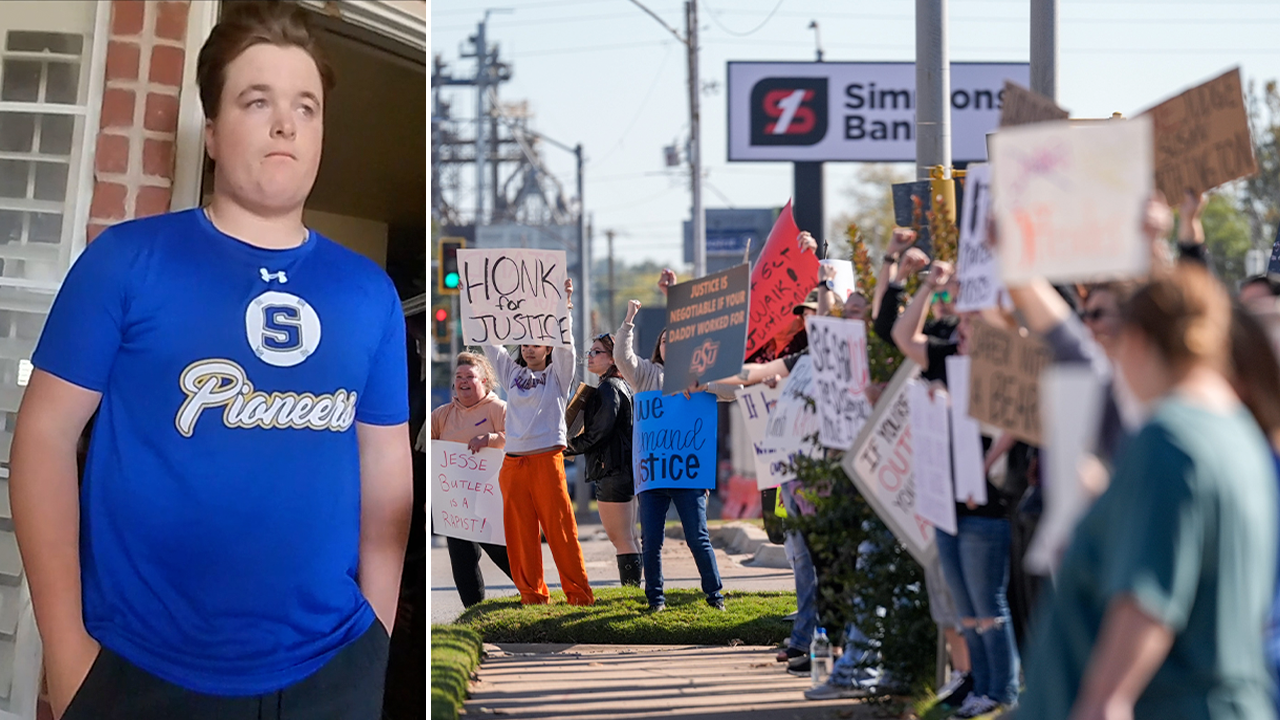

Families in Stillwater, Oklahoma, are expressing their outrage and disappointment after 18-year-old Jesse Mack Butler, who was accused of a series of violent sexual assaults, received a deferred plea decision allowing him to avoid prison time. Butler, previously a juvenile at the time of the offenses, pleaded no contest to 11 felony charges, including attempted rape and sexual battery. The leniency of his sentence has ignited protests in the community, as victims’ families and advocates for justice call for legal reforms to address the perceived shortcomings in the juvenile justice system.
| Article Subheadings |
|---|
| 1) Background on the Case |
| 2) Community Response and Protests |
| 3) Legal Perspectives and Reactions |
| 4) Impact on Victims and Their Families |
| 5) Future Implications for the Justice System |
Background on the Case
In early 2023, Jesse Mack Butler pleaded no contest to 11 felony charges, including serious offenses such as attempted rape and sexual battery. The charges arose from a series of incidents that occurred when Butler was only 16 and 17 years old. While he faced a potential sentence of up to 78 years, he was ultimately granted youthful offender status, which allowed him to avoid incarceration altogether. Instead, the judge required him to comply with terms including counseling, community service, and a curfew.
According to court documents, the allegations against Butler were severe. Victims reported being strangled, threatened, and forced into violent sexual acts. The individual accounts from the victims painted a chilling picture of repeated assaults that left each victim feeling trapped and in danger. A victim’s harrowing statement described how Butler had “strangled my voice, my joy, my ability to feel safe in my own body.”
Community Response and Protests
The decision to grant Butler youthful offender status has led to widespread protests in Stillwater, highlighting community dissatisfaction with the judicial response to such serious crimes. Protesters gathered outside the Payne County Courthouse during a compliance hearing for Butler to voice their frustration and demand justice. They argued that the sealed records protecting Butler serve to shield him from public scrutiny, rather than promoting transparency that could aid in restoring faith in the judicial system.
Community members, victims’ families, and advocates rallied, asserting that the leniency exhibited was unacceptable and called for a more robust approach to handling sexual assault cases involving minors. One protestor asserted, “Rape is rape, violence is violence, and it needs to end and so does systematic corruption.” This sentiment resonates strongly with many families who feel that the judicial system is “going easy” on young offenders and failing to adequately hold them accountable.
Legal Perspectives and Reactions
The legal community has weighed in on the situation, with some prosecutors defending the decision made in Butler’s case as consistent with state laws that prioritize rehabilitation for juvenile offenders. Laura Austin Thomas, the Payne County District Attorney, emphasized that only two of the 11 charges legally warranted adult prosecution. She elaborated that the objective was to keep the allegations publicly visible since juveniles typically have confidentiality protections in Oklahoma.
The authorities stressed the significant challenge posed by state laws which favor rehabilitative efforts over punitive measures for those under 18. Critics, however, see this as an injustice, pointing out the severe nature of Butler’s actions, which merit a more stringent response. There are calls not only for individual accountability but also for reforms that would ensure such cases are handled in a manner that reflects the gravity of the offenses.
Impact on Victims and Their Families
The impact of the case has been deeply felt by victims and their families, particularly for those like Kate, Butler’s former girlfriend. Kate’s mother, Ivonne, has expressed sorrow at the outcome, stating that community service and counseling do not adequately address the trauma inflicted on her daughter. Kate has refrained from important life milestones like prom and graduation, completing her senior year through online schooling instead.
Her father, Austin, expressed a desire for Butler’s name to accumulate public awareness, framing it as a protective measure for potential future victims. The family believes that speaking out is crucial and hopes their efforts can prevent further harm. Initial optimism regarding Butler’s influence on Kate quickly diminished as parents noticed concerning behavioral changes.
Future Implications for the Justice System
This case serves as a pivotal moment for potential reforms within the juvenile justice system in Oklahoma. Advocates believe that outcomes like Butler’s highlight systemic issues regarding how sexually-based crimes by minors are prosecuted. Families affected by these incidents are pushing for changes that would ensure more severe consequences for serious offenses, regardless of the perpetrator’s age.
Discussions surrounding this case may prompt legislative reviews of how sexual crimes are treated in juvenile court, focusing on how to balance rehabilitation with the need for justice and safety for victims. As the conversation about Butler’s situation unfolds, there is the potential for significant shifts in both law and societal perceptions regarding juvenile offenders. There is a growing sentiment that legislation should evolve in response to the evolving complexities of adolescent behavior and crime.
| No. | Key Points |
|---|---|
| 1 | Jesse Butler received a sentence that included probation instead of prison time for multiple felony charges. |
| 2 | Victims’ families are actively protesting the court’s decision, demanding justice and transparency in the judicial process. |
| 3 | Legal experts and the district attorney are divided on the appropriateness of the juvenile justice treatment applied in Butler’s case. |
| 4 | The emotional impact on victims like Kate has been significant, affecting their daily lives and future perspectives. |
| 5 | Future discussions may prompt reviews and reforms of juvenile justice laws concerning sexual offenses. |
Summary
The case of Jesse Mack Butler has ignited a profound conversation about the effectiveness and appropriateness of the juvenile justice system in handling serious crimes, particularly sexual assault. Families are feeling the ramifications of lenient sentences, and community members are calling for reform to ensure justice for victims. As Butler navigates his probation under surveillance, the outcomes of his case may well spur necessary dialogues about accountability, rehabilitation, and the need for systemic change in how society addresses youth crime.
Frequently Asked Questions
Question: What charges did Jesse Butler plead no contest to?
Jesse Butler pleaded no contest to 11 felony charges, including attempted rape, sexual battery, and forcible oral sodomy.
Question: Why did Butler receive youthful offender status?
Butler was granted youthful offender status, which allowed him to avoid prison and instead comply with terms including counseling and community service, due to his age at the time of the offenses and state laws favoring rehabilitation.
Question: How have victims’ families responded to the court’s decision?
Victims’ families have expressed outrage and disappointment, participating in protests and calling for legal reforms to hold juvenile offenders accountable for serious crimes more effectively.
