

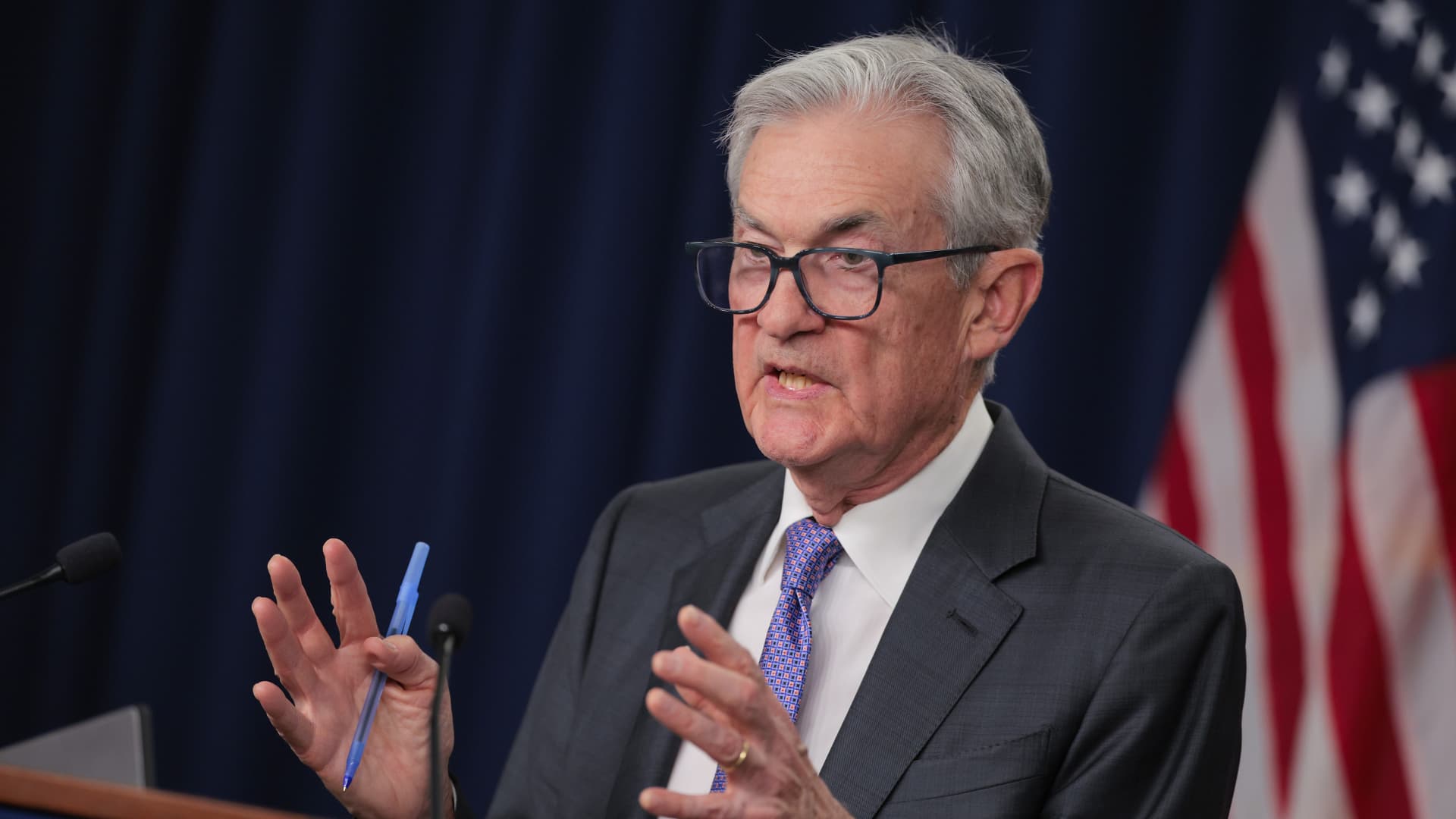

On Wednesday, the Federal Reserve announced a highly anticipated quarter percentage point interest rate cut during a meeting filled with unexpected implications. This decision, while welcomed by markets, was accompanied by notable dissent among committee members, which added layers of complexity to the narrative. Observations regarding the Fed’s future policies were delivered alongside mixed reactions from economists, highlighting the ongoing economic uncertainty in 2026.
| Article Subheadings |
|---|
| 1) The Implications of the Interest Rate Cut |
| 2) Dissent Within the Federal Open Market Committee |
| 3) Future Rate Projections and Market Reactions |
| 4) The Return of Bond Buying and Its Significance |
| 5) Economic Growth Outlook and Perspectives |
The Implications of the Interest Rate Cut
The Federal Reserve’s decision to cut interest rates by a quarter percentage point marks a significant moment in monetary policy, reflecting a cautious but strategic approach to stimulate economic growth. The cut, which many analysts had predicted, aims to address various underlying economic pressures while also providing a boost to market confidence. The overall effects are multifaceted, as this policy shift is expected to influence both consumer borrowing and spending patterns, alongside investment decisions in the business sector.
With this cut, officials aim to strike a balance between supporting economic activity and managing inflationary pressures. Particularly in an environment marked by fluctuations in economic indicators, such a recalibration could provide the necessary cushion for growth. Markets reacted positively, showing solid gains as investors welcomed the Fed’s proactive stance, even as uncertainties lingered in other corners of the economy.
Dissent Within the Federal Open Market Committee
Despite the apparent consensus reflected in the final vote of 9-3 during the Federal Open Market Committee (FOMC) meeting, the dissenting opinions reveal a divided outlook among members. Notably, three votes against the cut signify a substantial level of disagreement and a burgeoning caution regarding future monetary easing strategies. This level of dissent, the highest since September 2019, highlights the complexity and challenges facing the Fed as it navigates a changing economic landscape.
Among the dissenters, Chicago Fed President Austan Goolsbee stood out as a surprising voice against the cut. His stance, along with that of Governor Stephen Miran, who advocated for a more aggressive half-point reduction, emphasizes differing perspectives on the urgency and efficacy of the Fed’s current strategy. Goolsbee, along with the Kansas City Fed President Jeffrey Schmid, raised concerns regarding the potential implications of further relaxation, suggesting that the economic situation might not warrant such a step at this time.
Future Rate Projections and Market Reactions
In terms of future predictions, the FOMC conveyed a cautious optimism regarding the trajectory of interest rates. The “dot plot,” which reflects individual member outlooks, indicated minimal changes, with members forecasting only one additional rate cut in 2026. This perception aligns with broader market reactions, where futures pricing suggested a 38% probability of two cuts in the coming year, instilling a sense of buoyancy among investors.
Despite the underlying tensions, Wall Street appeared unfazed by the potential for these future adjustments. The solid gains observed in stock markets in response to the rate cut imply that investors are generally optimistic about the economic forecast and the Fed’s supportive monetary pathway. However, this optimism must be tempered by the recognition that visible risks remain, particularly in the labor market and other economic indicators that could impact the efficacy of the Fed’s measures moving forward.
The Return of Bond Buying and Its Significance
Another critical aspect of the Fed’s recent meeting was the announcement of a return to bond buying activities, specifically targeting short-term bills. Commencing on Friday, the central bank plans to purchase $40 billion in bills as part of a monthly initiative aimed at stabilizing short-term funding markets. This strategic move, while not exactly a return to traditional bond buying, signals the Fed’s readiness to employ tools that ensure liquidity and maintain the fed funds rate within a specific range.
Market analysts view this initiative as a kind of stealth easing, which could spur further investment in risk assets. By injecting liquidity into the market, the Fed hopes to alleviate pressure within overnight funding markets, ultimately helping to preserve economic stability. The renewed focus on short-term assets highlights the Fed’s responsiveness to the evolving financial environment and its commitment to fostering conditions conducive to growth.
Economic Growth Outlook and Perspectives
At the core of the Federal Reserve’s deliberations lies the undeniable optimism about economic growth. Federal Reserve Chair Jerome Powell exuded confidence during the meeting, asserting that the United States is experiencing an “extraordinary economy.” This sentiment was echoed by the FOMC officials, who raised their growth forecast for 2026, increasing GDP growth estimates by half a percentage point to 2.3%.
This bullish outlook remains tempered by the realities of slow data release and persistent uncertainty surrounding economic indicators, particularly with traditional labor statistics lagging due to various external factors. Economic experts like Rick Rieder and Bill Adams caution that a lack of consensus within the Fed, combined with impending leadership changes, could complicate future decision-making processes. The anticipation surrounding these dynamics points to the complexities inherent in the broader economic environment as 2026 unfolds.
| No. | Key Points |
|---|---|
| 1 | The Federal Reserve cut interest rates by a quarter percentage point, aiming to stimulate economic growth. |
| 2 | The FOMC meeting revealed significant dissent, the highest since September 2019. |
| 3 | Future rate projections suggest only one additional cut in 2026, according to the “dot plot.” |
| 4 | The Fed will resume buying short-term bills to stabilize markets, viewed as stealth easing. |
| 5 | Optimism regarding economic growth persists, with a raised GDP forecast for 2026. |
Summary
In conclusion, the Federal Reserve’s interest rate cut, reflective of a complex economic landscape, stands as a pivotal moment in current monetary policy. With notable dissent within the ranks of the FOMC and a cautious but optimistic economic outlook, stakeholders are urged to remain vigilant. The Fed’s strategic maneuvers, particularly in terms of bond buying, underscore a commitment to stabilizing financial markets while supporting growth—an intricate balancing act, especially as the economy navigates uncertainties in 2026.
Frequently Asked Questions
Question: What is the significance of the interest rate cut by the Federal Reserve?
The interest rate cut is intended to stimulate economic growth by lowering borrowing costs, encouraging consumer spending, and fostering business investment.
Question: Why is there dissent within the Federal Open Market Committee?
Dissent reflects differing views on the urgency and effectiveness of monetary easing, as some members believe the economy may not require further rate cuts.
Question: How does the Fed’s bond buying initiative relate to the interest rate cut?
The bond buying initiative aims to stabilize short-term funding markets, complementing the interest rate cut by ensuring liquidity and supporting overall economic conditions.
