

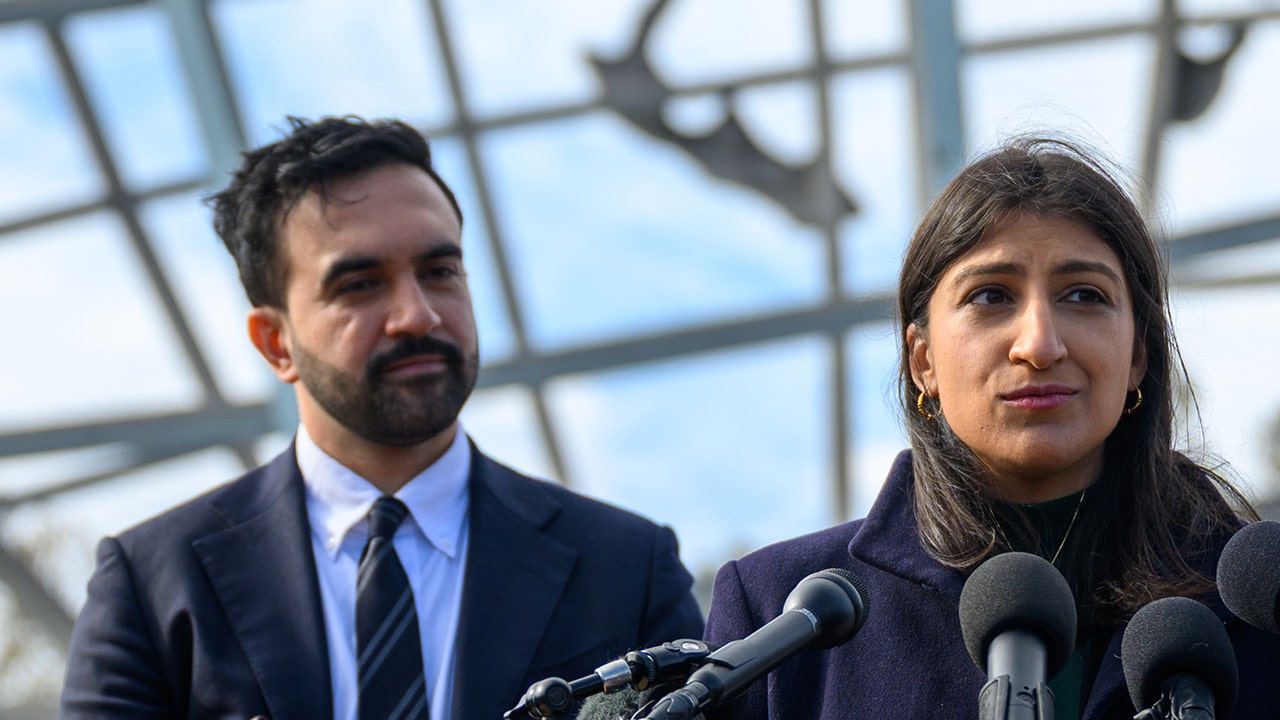

The political landscape of New York City is heating up as mayor-elect Zohran Mamdani selects prominent former Biden administration official Lina Khan as a key advisor. This decision has drawn significant criticism from Ronna McDaniel, the former chairperson of the Republican National Committee (RNC), who accuses Khan of undermining Mamdani’s claims of making the city more affordable. The fallout over Khan’s controversial history and perceived alignment with “Bidenomics” raises important questions about the future of business and economic policies in the city.
| Article Subheadings |
|---|
| 1) McDaniel’s Criticism of Khan’s Appointment |
| 2) Khan’s Historical Context as FTC Chair |
| 3) Concerns Over Economic Implications |
| 4) The Political Landscape of New York |
| 5) Conclusion and Implications for Mayor-Elect Mamdani |
McDaniel’s Criticism of Khan’s Appointment
Ronna McDaniel, the recently appointed leader of the Competitiveness Coalition, has openly criticized mayor-elect Mamdani for selecting Lina Khan as a key advisor. McDaniel, who served four terms as chair of the RNC, argues that Khan’s background as the former chair of the Federal Trade Commission (FTC) under President Biden makes her a questionable choice for the role. In a letter to Mamdani, McDaniel described Khan as a representative of “inflation in this country” and implicated her in policies that contradict the mayor-elect’s promises to lower living costs in New York City.
McDaniel’s letter highlights various concerns about Khan’s professional track record. She points out that Khan embodies the “dreaded Biden days” that many voters allegedly repudiated in the last election, emphasizing that appointing her contradicts the mayor-elect’s commitment to improving affordability for New Yorkers. By selecting someone with Khan’s credentials, McDaniel contends, Mamdani risks alienating the business community and undermining his campaign promises.
Khan’s Historical Context as FTC Chair
Lina Khan rose to prominence as the chairperson of the FTC, where she became known as a strong opponent of monopolistic practices and big business. Her tenure has been marked by a significant focus on regulating corporate practices to promote competition, which according to critics like McDaniel, has led to inflated prices for consumers across the country. McDaniel alleges that Khan’s policies have already had damaging effects, citing instances where her opposition to mergers has resulted in job losses and increased fiscal challenges for businesses.
For instance, McDaniel referenced Khan’s stance on the proposed merger between Amazon and iRobot, claiming that her resistance to this consolidation led to significant cutbacks within iRobot, resulting in 350 job losses. The concern is that Khan’s approach may reflect similar regulatory hindrances for New York’s businesses, which might deter new investments and growth in the city’s economy.
Concerns Over Economic Implications
McDaniel’s critiques extend to potential repercussions for the broader economic environment in New York City. She warns that over-regulation, as epitomized by Khan’s past strategies, could lead to businesses relocating to areas with more favorable tax structures and fewer regulatory burdens. “Businesses will flee New York City for places with better tax rates and less regulation,” McDaniel asserts, underlining the potential for a negative impact on job growth and business vitality in a city that has struggled financially in recent years.
Khan’s history raises alarms not just about immediate economic effects but also about the long-term viability of entrepreneurial ventures in New York. Critics suggest that her appointment may indicate an impending shift toward more stringent regulatory frameworks that could ultimately increase the cost of doing business. “That’s why socialism is sometimes confusing, especially for young voters,” McDaniel argues, noting that such practices inherently carry risks that could affect job availability and economic stability.
The Political Landscape of New York
New York’s political landscape has become increasingly polarized, particularly with regard to economic policies and fiscal management. Mamdani’s victory and subsequent appointments are being scrutinized against this backdrop of heightened tensions between progressive and conservative ideologies. The inclusion of Khan in Mamdani’s transitional team symbolizes not just a strategic choice but also an alignment with policies that reflect deeper national debates about capitalism, entrepreneurship, and government oversight.
As Mamdani sets out to implement his agenda, he faces the dual challenge of rallying support from a divided electorate while also navigating the complexities of governance in a major metropolis. McDaniel’s public rebuke illustrates the immediate political ramifications of his appointments, revealing the interconnectedness of local decisions and national narratives. The influence of various factions, from progressive activists to business leaders, will likely shape the practical outcomes of Mamdani’s mayoral tenure.
Conclusion and Implications for Mayor-Elect Mamdani
The selection of Lina Khan as a prominent advisor signifies a pivotal moment for mayor-elect Zohran Mamdani as he begins to shape his administration. While Khan’s credentials may align with some of the progressive initiatives that Mamdani championed during his campaign, the pushback from figures like Ronna McDaniel signals significant implications for his promises regarding affordability in New York City.
As Mamdani steps into office, he will need to carefully consider the potential consequences of his advisor’s regulatory approaches. Balancing progressive ambitions with the practical needs of New Yorkers will pose an ongoing challenge. Should he pursue a course similar to Khan’s past policies, businesses may indeed reconsider their presence in the city, and economic hardships could deepen. The outcome of this political saga will depend on Mamdani’s ability to navigate these conflicting interests while maintaining his inaugural commitments.
| No. | Key Points |
|---|---|
| 1 | Ronna McDaniel criticizes mayor-elect Zohran Mamdani for appointing Lina Khan, arguing it undermines his affordability promises. |
| 2 | Khan’s previous role as FTC chair and her strong anti-monopoly stance have raised concerns about economic impacts. |
| 3 | McDaniel warns that Khan’s policies could drive businesses away from New York City. |
| 4 | The political landscape in New York is increasingly polarized, complicating Mamdani’s governance. |
| 5 | The implications of Khan’s appointment will shape Mamdani’s administration and its policies moving forward. |
Summary
The appointment of Lina Khan as a key advisor to mayor-elect Zohran Mamdani has stirred significant controversy, predominantly driven by critiques from Ronna McDaniel. As Khan’s history as FTC chair comes under scrutiny, the potential economic ramifications for New York City become increasingly evident. Mamdani’s ability to navigate these challenges while staying true to his promises will be crucial for the future of his administration and the city itself.
Frequently Asked Questions
Question: Who is Lina Khan?
Lina Khan is a prominent legal scholar who served as the chair of the Federal Trade Commission under President Biden, known for her strong stance on regulating monopolistic practices and corporate behavior.
Question: Why is Ronna McDaniel critical of Khan’s appointment?
McDaniel believes that Khan’s affiliation with the Biden administration and her regulatory history contradicts Mamdani’s campaign promises to make New York City more affordable.
Question: What potential impact could Khan’s policies have on businesses in New York City?
There are concerns that Khan’s regulatory approaches may lead to increased operational costs for businesses, possibly driving them to relocate to states with more favorable conditions.
