

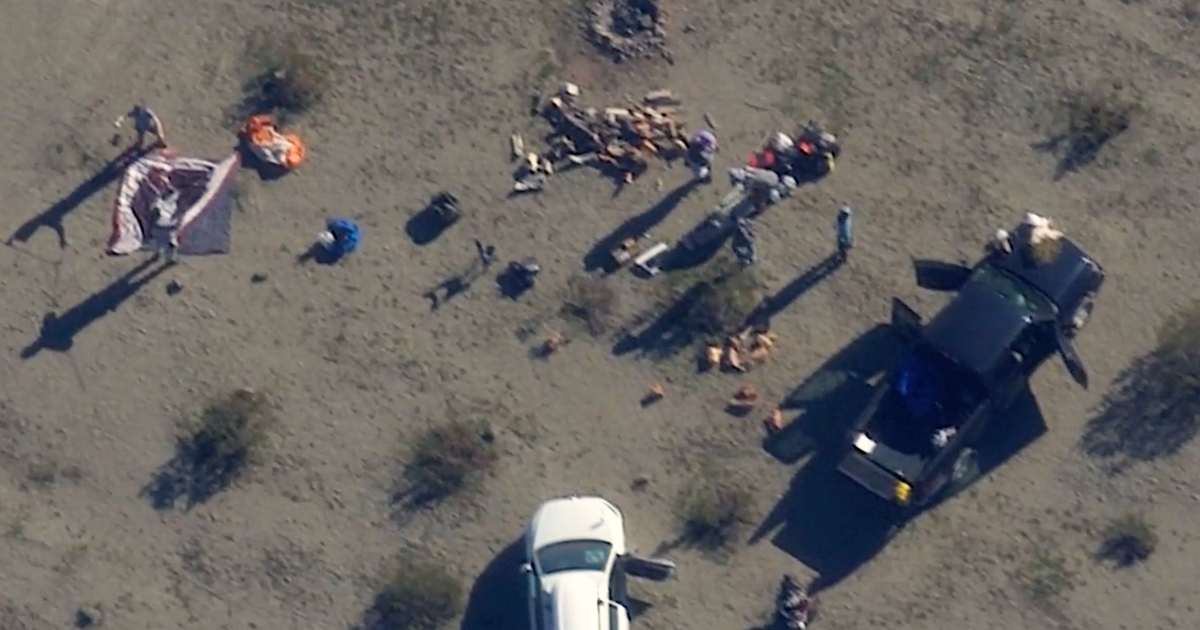

Federal law enforcement officials announced on Monday the arrest of four individuals linked to a militant anti-government group, accused of planning simultaneous bomb attacks intended for New Year’s Eve in Southern California. The arrests were made after an extensive investigation by the FBI, which described the suspects as members of the Turtle Island Liberation Front. The thwarted plot was detailed and involved logistics aiming to target significant facilities in Los Angeles and Orange County, marking a significant intervention in addressing domestic terrorism threats.
| Article Subheadings |
|---|
| 1) Arrest and Charges |
| 2) The Turtle Island Liberation Front |
| 3) The Nature of the Plot |
| 4) Law Enforcement Response |
| 5) Broader Implications |
Arrest and Charges
On Friday, law enforcement officials arrested four individuals, identified as Audrey Carroll, Zachary Page, Dante Gaffield, and Tina Lai, in San Bernardino County, California. These arrests were part of a larger initiative to combat domestic terrorism, particularly against radicalized groups. The suspects are facing serious charges, including conspiracy and possession of an unregistered destructive device. According to U.S. Attorney Bill Essayli, additional charges may follow as the investigation progresses.
The timing of the arrests plays a critical role, occurring just before the planned attacks were set to take place on New Year’s Eve. Federal officials stated that the suspects had gathered in the Mojave Desert to test explosive devices when they were apprehended, preventing potential catastrophe.
The Turtle Island Liberation Front
The defendants are associated with the Turtle Island Liberation Front, a group that has positioned itself as a political activist organization aiming for the liberation of what they term ‘occupied Turtle Island,’ a reference to Indigenous lands in North America. The group has expressed anti-capitalist and pro-Palestinian sentiments on various social media platforms, presenting itself as an advocate for marginalized communities.
The group’s presence is relatively unnoticed, amassing only a small following online; its Instagram account had fewer than 900 followers, while its Facebook presence attracted even less engagement. The group’s actions and ideologies have sparked concern among federal authorities, who believe that such organizations pose a risk to public safety and the rule of law.
The Nature of the Plot
The alleged plot involved a detailed and coordinated plan to detonate bombs at two logistics centers in Southern California around midnight on New Year’s Eve. According to an affidavit filed by the FBI, Audrey Carroll provided specific instructions about the targets and bomb construction, which were further discussed with Zachary Page.
The plot was not only ambitious in scale but also complex; it included details on how to avoid detection and minimize evidence. FBI officials noted that the suspects had even gone as far as constructing functional prototypes of the explosive devices. The intent was clear: to execute a synchronized attack that could lead to significant disruption and potential casualties.
Law Enforcement Response
The FBI’s intervention was crucial in stopping the planned attacks, illustrating law enforcement’s vigilance in combating domestic terrorism. Surveillance operations captured the defendants in the act of testing explosives, allowing agents to intervene before any harm could be done. FBI Director Kash Patel underscored the importance of the arrests, stating that they served as a reminder of the threats posed by radicalized anti-government factions.
The arrests were met with a strong public and media response, leading to heightened discussions about the nature of domestic terrorism and the factors driving individuals toward radical ideologies. The U.S. Attorney’s Office aims to not only prosecute the current defendants but also to dismantle networks that may offer support to organizations like the Turtle Island Liberation Front.
Broader Implications
The recent arrests also spotlight broader societal issues, including the rise of radicalization among young individuals and the influences of online radical communities. With anti-government sentiments spreading through various platforms, officials stress the need for vigilance from law enforcement and the public alike. The incident raises questions about how to effectively counteract extremist ideologies in a society characterized by diverse opinions and beliefs.
Moreover, the Turtle Island Liberation Front’s actions have prompted discussions about the fine line between political activism and terrorism, with officials emphasizing the dangers that can arise when political beliefs lead to violent actions. The legal consequences faced by the defendants may serve as a cautionary tale for potential sympathizers of far-left movements.
| No. | Key Points |
|---|---|
| 1 | Four members of the Turtle Island Liberation Front were arrested for planning New Year’s Eve bomb attacks in Southern California. |
| 2 | The group has expressed radical political beliefs, including pro-Palestinian and anti-capitalist sentiments, and is relatively unknown. |
| 3 | The plot aimed to execute simultaneous bombings at multiple logistics centers, displaying the group’s capability for organized violence. |
| 4 | Federal law enforcement successfully intervened before the attacks, highlighting the importance of surveillance and vigilance against domestic extremism. |
| 5 | The incident raises concerns about the growing radicalization of individuals and the challenges it poses to public safety. |
Summary
The arrests of members of the Turtle Island Liberation Front underscore the ongoing threat of domestic terrorism in the U.S., particularly as radical ideologies gain traction among certain groups. Officials responded decisively to stop a planned attack that could have had devastating consequences. This incident serves as a critical reminder of the need for continued vigilance and proactive measures to mitigate threats both from radical movements and those who engage in violence disguised as political activism. The societal implications of these events will likely continue to resonate as discussions around extremism and public safety evolve.
Frequently Asked Questions
Question: What charges were the suspects facing?
The suspects were charged with conspiracy and possession of an unregistered destructive device, among other possible charges that could emerge as the investigation continues.
Question: What is the Turtle Island Liberation Front?
The Turtle Island Liberation Front is a group that promotes the liberation of Indigenous lands in North America and holds anti-capitalist and pro-Palestinian views, often expressing these sentiments on social media.
Question: How did law enforcement become aware of the plot?
The FBI conducted surveillance operations that captured the suspects preparing explosives in the Mojave Desert, which led to their timely arrest prior to the planned attacks.
