

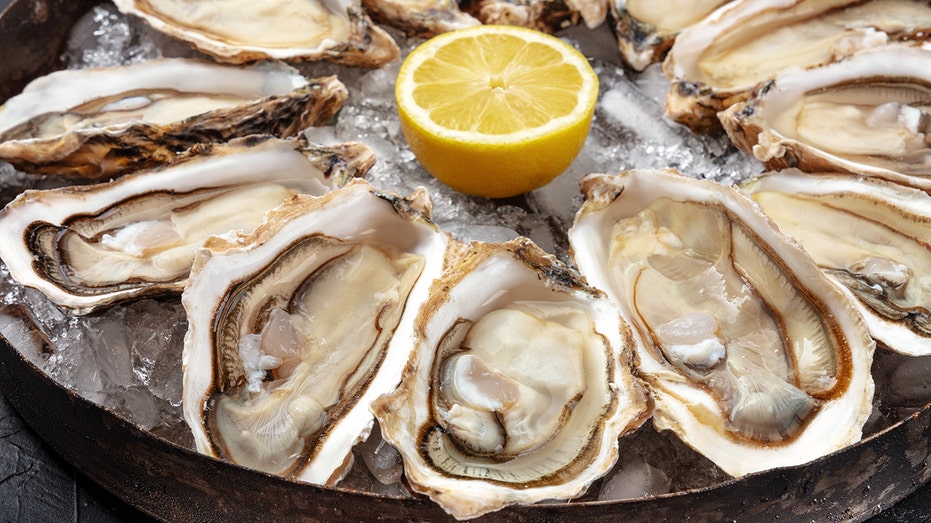

A fourth Florida resident has died after contracting Vibrio vulnificus, a bacterium associated with raw or undercooked oysters and exposure to contaminated coastal water. The Florida Department of Health has reported 21 cases and four deaths in the state during 2026. The latest death involved a Broward County resident between 75 and 79 years old, although officials have not determined how the infection was acquired. Health authorities are warning that severe infections can progress rapidly, especially among people with underlying medical conditions.
Vibrio vulnificus occurs naturally in warm, brackish seawater and can enter the body through contaminated food or an open wound. Flooding and standing water associated with severe weather can increase opportunities for exposure.
| 1) | Florida records a fourth death |
|---|---|
| 2) | How Vibrio vulnificus spreads |
| 3) | Who faces the greatest health risks |
| 4) | Severe symptoms and regional figures |
| 5) | Why weather conditions matter |
Florida records a fourth death
The Florida Department of Health added the death to its updated 2026 fatality count. The person lived in Broward County and was between 75 and 79 years old. Officials have not said whether the infection resulted from eating shellfish, contact with seawater, or another form of exposure. Earlier deaths were reported among residents of Bay, Palm Beach and Marion counties.
Florida has recorded 21 Vibrio vulnificus cases this year, including four deaths. The current figures are below the totals reported in some recent high-incidence years, but health officials continue to emphasize the potentially serious consequences of infection.
How Vibrio vulnificus spreads
Vibrio vulnificus is a naturally occurring bacterium found in warm, brackish seawater. People can become infected by eating raw or undercooked shellfish, particularly oysters contaminated with the organism. Infection can also occur when an open cut or other wound comes into contact with contaminated seawater or floodwater.
The Florida Department of Health says most people develop vibriosis after consuming contaminated raw or undercooked shellfish. Avoiding raw oysters and keeping wounds away from coastal or floodwater are among the precautions relevant to people in affected areas.
“Most people get vibriosis by eating raw or undercooked shellfish, particularly oysters,” the Florida Department of Health said.
Who faces the greatest health risks
Healthy people may experience a milder illness, but Vibrio vulnificus can cause severe disease in individuals with weakened immune systems or certain pre-existing medical conditions. Florida health officials said a recent study found that people with those conditions were 80 times more likely than healthy people to develop bloodstream infections from the bacterium.
The risk is particularly important for people who eat raw shellfish or spend time in warm coastal water while having an open wound. People with elevated medical risk should take extra care to avoid raw oysters and contact with potentially contaminated water.
Severe symptoms and regional figures
Severe Vibrio vulnificus infections may cause fever, chills, low blood pressure and blistering skin lesions. Low blood pressure can signal septic shock. Wound infections may damage tissue and, in some cases, result in amputation. Florida health officials estimate that bloodstream infections caused by the bacterium are fatal about half the time.
Other Gulf Coast states have also reported cases in 2026. Louisiana recorded 15 cases and six deaths as of September 9, with 14 cases attributed to wound or seawater exposure. Texas health officials say the state typically averages 33 cases annually, while Mississippi reported three cases as of August.
Why weather conditions matter
Severe weather can increase exposure risk by creating standing water and flooding that may contain the bacterium. Florida officials linked unusually high case activity in some recent years to counties affected by hurricanes Helene and Ian. Floodwater can come into contact with cuts and other wounds, creating a route for infection.
Florida reported 82 cases and 19 deaths in 2024, while 2022 saw 74 cases and 17 deaths. The figures illustrate how case numbers and fatalities can rise during periods when warm water, coastal exposure and severe weather overlap.
| Number | Key Point |
|---|---|
| 1 | Florida has reported 21 Vibrio vulnificus cases and four deaths in 2026. |
| 2 | The latest death involved a Broward County resident aged between 75 and 79. |
| 3 | Raw or undercooked oysters and contaminated water are recognized exposure routes. |
| 4 | Severe infections can cause septic shock, tissue damage and death. |
| 5 | Flooding and standing water can increase contact with the bacterium. |
Summary
Florida’s latest Vibrio vulnificus death brings the state’s 2026 total to four, amid 21 reported cases. The bacterium is linked to raw or undercooked oysters and contact between contaminated water and open wounds. Although infection can be mild in healthy people, it can become life-threatening, particularly for people with weakened immune systems or other medical conditions. Avoiding raw shellfish and contaminated water remains central to reducing exposure.
Frequently Asked Questions
What is Vibrio vulnificus?
Vibrio vulnificus is a bacterium that naturally occurs in warm, brackish seawater and can cause serious illness when ingested or introduced through an open wound.
How can people become infected?
People can become infected by eating raw or undercooked shellfish, especially oysters, or by exposing an open wound to contaminated seawater, floodwater or standing water.
What symptoms can indicate a severe infection?
Warning signs can include fever, chills, low blood pressure and blistering skin lesions. Wound infections may cause extensive tissue damage and require urgent medical attention.
