

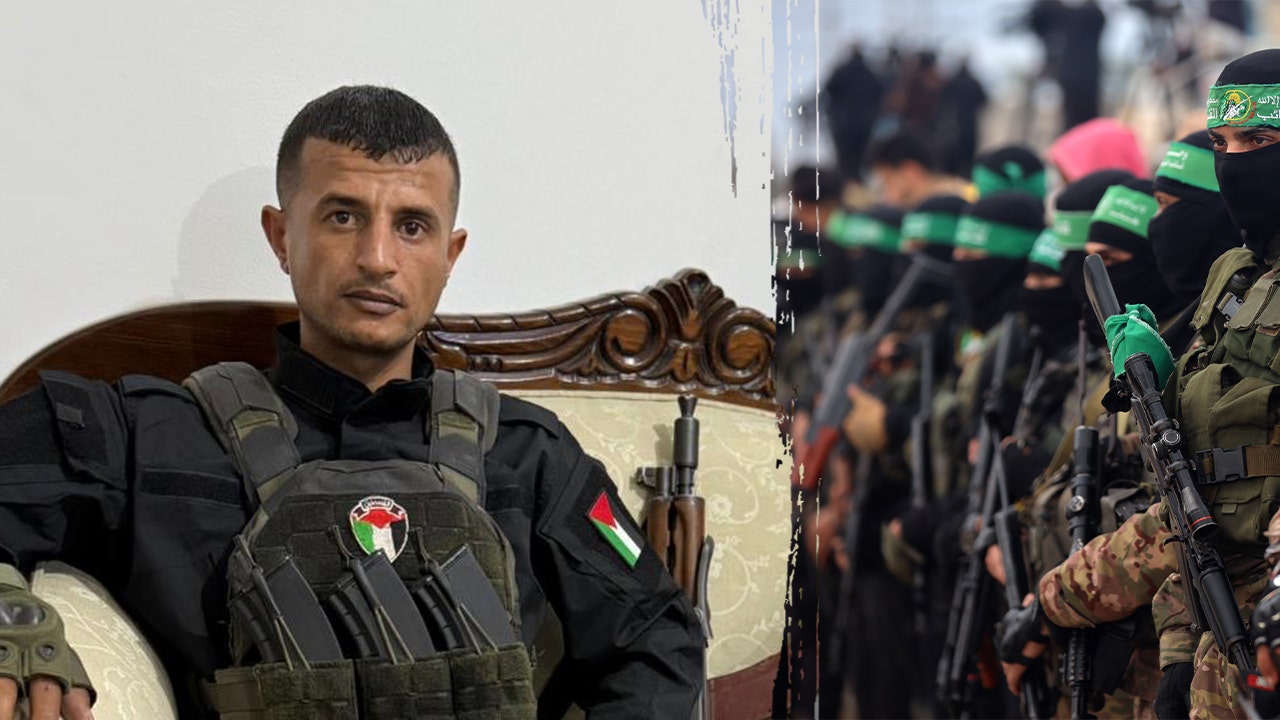

Recent protests in Gaza have seen residents openly challenging Hamas, marking a significant shift in local sentiment towards the militant group. For the first time since Hamas took control of Gaza 18 years ago, many individuals are risking personal safety to voice their dissatisfaction. Central to these movements is Yaser Abu Shabab, a former Hamas detainee now leading an armed group that has started to emerge as an alternative authority in Gaza, with a focus on protecting humanitarian efforts. This development has raised questions about the potential for a new governance structure should Hamas lose its grip on power.
| Article Subheadings |
|---|
| 1) Emergence of Anti-Hamas Sentiment |
| 2) Yaser Abu Shabab: A New Local Leader |
| 3) The Role of International Involvement |
| 4) Local Reactions and Implications |
| 5) Potential Outcomes for Gaza’s Future |
Emergence of Anti-Hamas Sentiment
For years, Hamas has maintained control over Gaza with a heavy hand, yet recent developments suggest a significant shift in public sentiment. Many residents are expressing their discontent through protests, openly criticizing the organization that has ruled since 2007. These protests indicate a growing frustration with the group’s management of resources, particularly humanitarian aid. Gazans are facing unprecedented challenges, notably due to the ongoing humanitarian crisis exacerbated by conflicts and blockades. The protests have seen a notable increase in intensity, signaling a potential turning point in Gaza’s socio-political landscape.
The backdrop of this unrest stems from years of perceived negligence by Hamas, alongside increasing frustrations over corruption and the mismanagement of aid. As humanitarian needs continue to rise due to various crises, residents are beginning to realize that expressing dissent may be essential for precipitating change. The protests have unfolded against the backdrop of dire economic conditions, where many families struggle to access essential goods and services.
Yaser Abu Shabab: A New Local Leader
At the center of this new wave of activism is Yaser Abu Shabab, an unconventional leader with a controversial past. Once imprisoned by Hamas for theft and corruption, he now commands a group termed the “Popular Forces.” These armed men have taken on roles beyond mere defense, escorting humanitarian convoys, distributing supplies, and challenging Hamas’s authority directly. Abu Shabab’s group claims to operate under the banner of protecting Palestinian human rights, emphasizing their role not as a militia but as counter-terror forces.
Abu Shabab began forming his group in early 2024, in response to changes on the ground after the Israel Defense Forces (IDF) entered Rafah, leading to a power vacuum previously held by Hamas. Understood to be operating with tacit support from Israel, his armed forces represent a homegrown response to the power dynamics in Gaza. In interviews, he has insisted, “We are not a militia. Our aim is to protect our people from Hamas terrorism.” This narrative aims to distinguish his group from the violent history associated with Hamas while positioning them as a legitimate authority looking to restore order.
The Role of International Involvement
The discussions about potential local governance post-Hamas often allude to the possibility of international intervention. While protests have instigated a shift in local sentiment, international stakeholders, particularly Israel and the United States, are also scrutinizing how to fill the governance void, should Hamas fall from power. Joseph Braude, president of the Center for Peace Communications, expressed optimism regarding the potential for entities like Abu Shabab’s group to emerge as foundational blocks for a new political structure in Gaza. “They will need to work towards a civil administration alongside their military efforts,” he explained.
Abu Shabab’s growing influence has raised questions of legitimacy and sustainability, especially with concerns about long-standing ties that are alleged between him and other external players, including claims of arms and resource support from Israel. While officials maintain there is no organized effort to support him militarily, the sophistication of his operations suggests some level of involvement behind the scenes. This strategic ambiguity raises concerns regarding potential future conflicts that could arise from competing interests among various factions in Gaza.
Local Reactions and Implications
Within Gaza, responses to Abu Shabab’s emergence have been decidedly mixed. On one hand, some residents view him as a savior who challenges Hamas at a critical juncture. Others remain skeptical, suggesting that support for him stems more from fear of Hamas rather than genuine allegiance. Political analysts, such as Mkhaimar Abusada, point out that many locals believe his power is contingent upon external factors and alliances, suggesting his leadership may lack depth. “He’s been disowned by his own tribe,” Abusada reflected, indicating strained relationships and questions of loyalty among the local power structures.
The reactions can be seen as symptomatic of broader divisions within Gazan society, where loyalty to traditional factions is deeply rooted. Some locals fear Hamas’s wrath more than they choose to support a new rising authority. The underlying tension suggests that the path forward will be fraught with complications, not just politically, but also socially as the community grapples with definitions of leadership and authority.
Potential Outcomes for Gaza’s Future
As discussions about Gaza’s future heat up, one major consideration looms: whether homegrown leaders can effectively replace Hamas, or if such efforts will simply lead to further fragmentation and violence. Dr. Michael Milshtein from Tel Aviv University warns against the recklessness of current strategies, arguing that supporting grassroots leaders without a cohesive plan may lead to re-emergence of chaos. “It’s delusion — and it’s dangerous,” he stated, cautioning that historical errors may repeat themselves if the focus remains on tactical maneuvering instead of long-term solutions.
The situation could also reflect a power struggle for control among various factions in Gaza, including the potential for clashes between rival armed groups. If Abu Shabab’s group gains more control, it could shape a new order in Gaza, potentially leading to less centralized authority or instigating violent responses from Hamas and its supporters. Thus, while the emergence of local leadership brings hope for change, the outcomes remain unpredictable and fraught with challenges.
Key Points
| No. | Key Points |
|---|---|
| 1 | Growing protests in Gaza indicate heightened anti-Hamas sentiment among residents. |
| 2 | Yaser Abu Shabab is emerging as a challenger to Hamas, leading a group focused on humanitarian aid protection. |
| 3 | International stakeholders are observing closely how local actors may fill the governance void post-Hamas. |
| 4 | Local responses to Abu Shabab are mixed, reflecting both hope and skepticism regarding his motivations. |
| 5 | Potential future conflicts may arise from competing factions as the situation in Gaza evolves. |
Summary
The ongoing challenges in Gaza have forced residents to confront Hamas’s authority, leading to a precarious emergence of alternative leadership embodied by figures like Yaser Abu Shabab. As the landscape shifts, local responses reveal a complex interplay between fear and hope, further complicated by potential external influences. The future remains uncertain, with many questioning whether grassroots movements can sustainably replace entrenched powers like Hamas or whether they will lead to more regional instabilities.
Frequently Asked Questions
Question: Who is Yaser Abu Shabab?
Yaser Abu Shabab is a former Hamas detainee currently leading an armed group called the “Popular Forces,” which has started to challenge Hamas by protecting humanitarian efforts in Gaza.
Question: What are the main reasons residents are protesting against Hamas?
Residents are mainly protesting against Hamas due to perceived corruption, mismanagement of resources, and a lack of adequate humanitarian aid during ongoing crises.
Question: What implications could Abu Shabab’s rise have on Gaza’s future?
Abu Shabab’s influence could lead to a shift in Gaza’s governance structure, creating challenges related to power dynamics between rival factions while also raising concerns about potential conflicts.
