

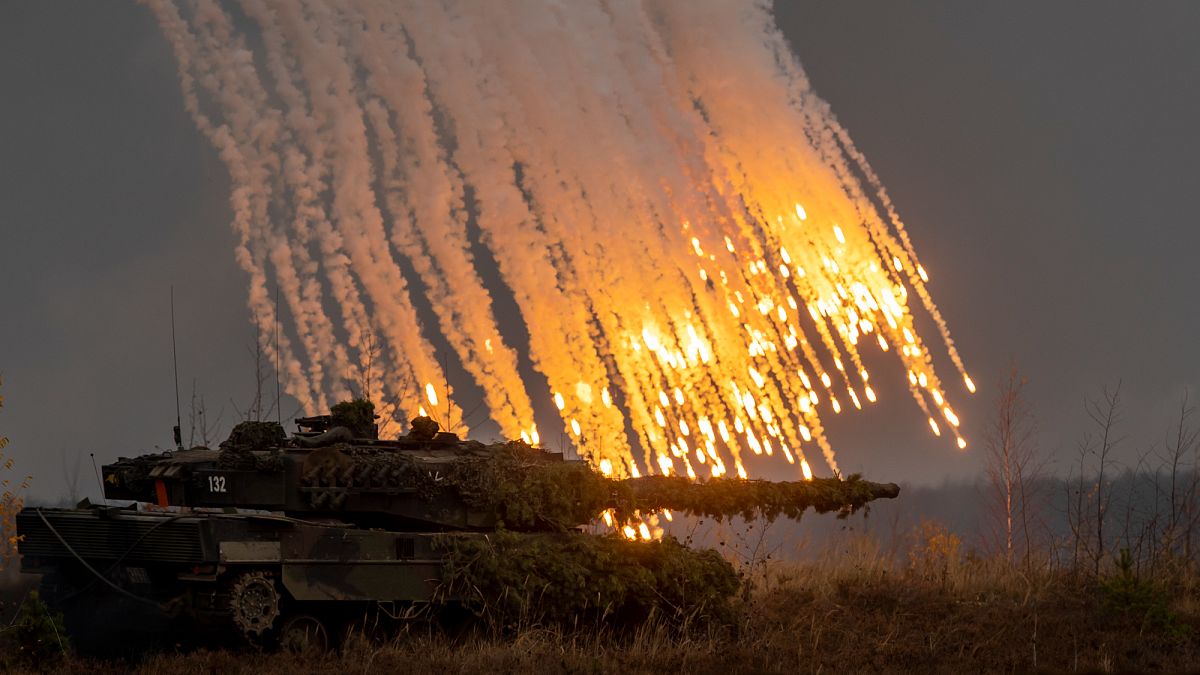

Following a recent announcement by US President Donald Trump regarding a significant increase in tariffs on steel and aluminum, the European Commission has indicated that it is preparing to respond with retaliatory measures. This situation presents potential challenges for the German economy, particularly its steel sector, which has been facing difficulties due to high energy costs and international competition. Despite these hurdles, there are signs of hope as Germany ramps up its defense spending, potentially benefiting the steel industry amid rising geopolitical tensions and increased demand for military supplies.
| Article Subheadings |
|---|
| 1) Impacts of Tariff Increases on the Steel Industry |
| 2) Revival Opportunities for German Steel |
| 3) Challenges Facing Steel Manufacturers |
| 4) Economic Implications of ThyssenKrupp’s Decisions |
| 5) Future of the Steel Industry in Germany |
Impacts of Tariff Increases on the Steel Industry
The recent enactment of steel and aluminum tariffs by President Donald Trump, escalating from 25% to 50%, has stirred significant concern among European officials. This decision has prompted the European Commission to prepare possible retaliation measures, indicating a test of trade relations between the United States and the European Union. German officials are apprehensive that rising costs from tariffs could lead to an oversupply within the EU steel market, which may further drive down prices and undermine the economic stability of the German steel industry, crucial for Germany’s overall manufacturing base.
Revival Opportunities for German Steel
Interestingly, the German steel sector may be on the verge of a resurgence despite the tariff challenges. In light of the increased focus on defense spending amid geopolitical tensions, German arms manufacturer Rheinmetall is witnessing a boom in demand for steel. As the government, now led by Friedrich Merz of the center-right Christian Democratic Union (CDU), allocates billions of euros towards strengthening defense capabilities, the steel industry stands to benefit from the production needs associated with armament. This investment presents a crucial opportunity for the steel industry to rebound as its output aligns more with national security interests.
The confidence in the industry is also bolstered by anticipated reductions in energy costs due to reforms aimed at decreasing electricity taxes and surcharges, as part of the coalition agreement established by the new German government. However, industry experts assert that merely reducing energy expenses might not be sufficient to secure the sector’s future amid broader economic challenges.
Challenges Facing Steel Manufacturers
The German steel sector faces numerous challenges that pose risks to its viability. Ongoing issues stemming from cheap imports predominantly from China combined with a rapid transition to cleaner hydrogen-based production methods have put significant pressure on local manufacturers. In 1990, the workforce within the steel industry was approximately 175,000, but current figures show this has plummeted to just over 78,000, illustrating a dramatic decline that highlights the urgent need for revitalization in this industry. The transition from fossil fuels to climate-friendly technologies is further complicating operations as businesses adapt to new production standards while mitigating their economic footprint.
Industry insiders, including Tobias Aldenhoff from the German Steel Association, acknowledge that falling global steel production—down by 12% in recent months—exacerbates the struggles of the domestic steel industry. They emphasize that a strong customer demand from sectors like automotive and engineering could help revive steel production capacity, contingent upon establishing conducive market conditions.
Economic Implications of ThyssenKrupp’s Decisions
The trajectory of ThyssenKrupp, a major German industrial player, further illustrates the precarious state of the steel industry. The corporation is reportedly poised to divest an additional 30% of its steel division holdings to Czech billionaire Daniel Křetínský. This move represents a continued unraveling of a historical giant as the company works towards significant workforce reductions of about 11,000 jobs. Observers interpret this dismantling as a microcosm for the broader issues affecting the German steel sector.
High energy rates, lack of fruitful overseas investments, and increasing global steel oversupply contribute significantly to ThyssenKrupp’s dwindling profitability. Early reports cite a €23 million loss in earnings during the first half of the current financial year, raising questions about the long-term sustainability of their operations. The views from ThyssenKrupp further underscore the need for governmental guidance and intervention to stabilize the industry amidst these growing pressures.
Future of the Steel Industry in Germany
Ultimately, the future of the German steel industry remains uncertain. Although the defense sector’s expansion offers a glimmer of hope, whether this momentum will be sufficient to revitalize manufacturing capabilities and job growth is debatable. As experts indicate, the lack of competitive advantages for steel companies operating in Germany under current regulations breeds pessimism. Moreover, global collaborations, particularly between Germany and its neighbors like the Czech Republic in automotive production, suggest that the inner workings of the steel sector may need reevaluation to adapt to the changing economic landscape.
With international trade dynamics shifting and local economic challenges compounding, the future of the steel industry must be analyzed through the lens of evolving market demands and government policies aimed at fostering industry resilience. Without addressing the foundational issues of international competitiveness and systemic reform, the steel sector risks facing continued decline, despite the potential for increased defense-related opportunities.
| No. | Key Points |
|---|---|
| 1 | The European Commission is poised to impose retaliatory measures against the US tariffs on steel and aluminum. |
| 2 | The increased demand from the defense sector may present revival opportunities for the struggling German steel industry. |
| 3 | High energy prices and international competition continue to pressure the German steel sector, leading to job losses. |
| 4 | ThyssenKrupp’s potential divestment and job cuts underline the challenges facing the larger German economy. |
| 5 | The future of the German steel industry remains uncertain amid evolving market conditions and government policy adjustments. |
Summary
In summary, the German steel industry stands at a crossroads as it grapples with the implications of US tariff increases, geopolitical pressures, and challenges stemming from international market dynamics. While the burgeoning defense industry offers hope for growth, significant hurdles remain in terms of international competition, energy costs, and structural industry decline. A concerted approach involving government incentives and strategic industry alliances will be vital for restoring stability and fostering future growth within this critical sector.
Frequently Asked Questions
Question: What are the recent tariff changes proposed by the US?
President Trump announced an increase of steel and aluminum tariffs from 25% to 50%, affecting various international trade dynamics.
Question: How does the German government plan to assist the steel industry?
The new government has committed to reducing electricity taxes and surcharges to alleviate pressures on the steel industry due to high energy costs.
Question: What are the implications of ThyssenKrupp’s divestiture for the steel industry?
ThyssenKrupp’s divestiture signifies ongoing struggles within the German steel sector, raising concerns about job losses and future company viability amid global oversupply.
