

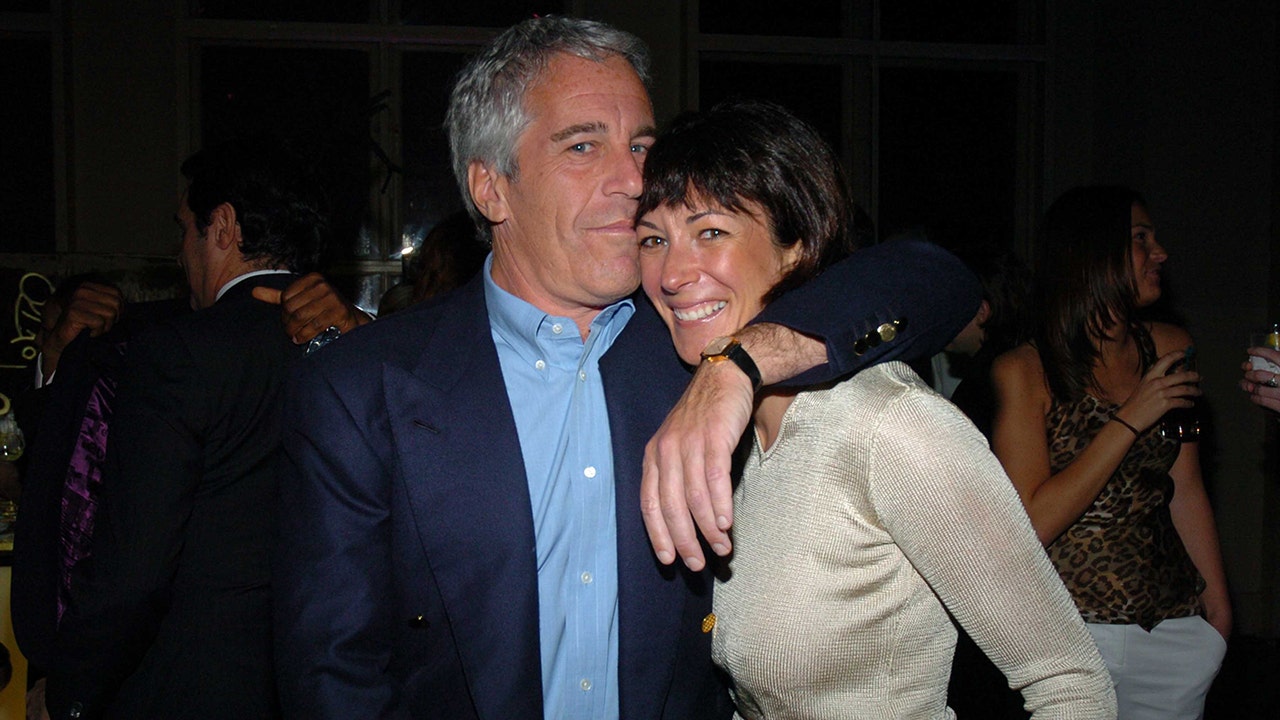

Ghislaine Maxwell is actively seeking to overturn her sex-trafficking conviction, citing juror misconduct and alleged trial irregularities in a newly filed petition. The 63-year-old, currently serving a 20-year sentence, claims that vital evidence was suppressed and that there was improper coordination between prosecutors and the accusers’ lawyers. This legal maneuver coincides with the Department of Justice’s impending compliance with the Epstein Files Transparency Act, which mandates the release of sealed documents related to Jeffrey Epstein and his associates.
| Article Subheadings |
|---|
| 1) Overview of Maxwell’s Petition for Appeal |
| 2) Key Allegations of Misconduct |
| 3) The Epstein Files Transparency Act |
| 4) Impact of New Evidence on Retrial Claims |
| 5) Future Implications for the Justice System |
Overview of Maxwell’s Petition for Appeal
Ghislaine Maxwell has formally requested a federal judge to vacate her conviction stemming from a trial in which she was found guilty of facilitating Jeffrey Epstein’s extensive sex trafficking operations. In her petition, submitted pro se, she identifies a number of factors that she claims tainted her trial. Her argument particularly hinges on allegations of juror misconduct, including revelations that one juror, identified as Juror No. 50, failed to disclose his history of being sexually abused as a child during the screening process. Maxwell asserts that this omission had a significant influence on the deliberations, thereby compromising the integrity of the jury’s verdict.
Key Allegations of Misconduct
In her petition, Maxwell’s legal team contends that Juror No. 50’s failure to disclose crucial personal history constitutes a breach of the juror’s duty, claiming it was not merely an oversight. The petition suggests that other jurors may have engaged in similar conduct, thereby calling into question the impartiality of the jury as a whole. Additionally, Maxwell argues that the prosecutors failed to disclose exculpatory evidence, including certain internal documents and grand jury records that could have benefited her defense. This claim is grounded in the belief that had her defense team had access to this information, they could have effectively countered the prosecution’s case.
The Epstein Files Transparency Act
As Maxwell’s legal maneuvers unfold, the Department of Justice finds itself under pressure to comply with the recently enacted Epstein Files Transparency Act. This act, signed into law by former President Donald Trump, mandates the release of previously sealed records related to Jeffrey Epstein and his numerous associates. The law requires the DOJ to unveil a significant amount of documentation by December 19, heightening public interest in the case. This expansive release may provide insight that intersects with Maxwell’s claims, as well as shed light on the broader network of individuals involved in Epstein’s activities.
Impact of New Evidence on Retrial Claims
Maxwell’s petition cites the emergence of what she deems “newly discovered evidence.” This is highlighted particularly in her claims regarding physical evidence presented at her trial, including a controversial massage table that prosecutors argued linked her to the interstate commerce element of the charges. In her view, discrepancies in how and where the table was obtained raise doubts about its authenticity. Maxwell’s legal argument seeks to initiate a reevaluation of the physical evidence used against her, suggesting that this could play a pivotal role in her fight for a retrial.
Future Implications for the Justice System
The trajectory of Maxwell’s legal battle could have widespread implications for the justice system, especially in high-profile criminal cases. Her case has already sparked widespread dialogue regarding the ethics and integrity of juror conduct, prosecutorial transparency, and the overall treatment of defendants within the justice system. Should the court find merit in her claims regarding juror misconduct or any failures in prosecutorial obligation, it may set a precedent for future cases, particularly those involving similarly sensitive subject matters.
| No. | Key Points |
|---|---|
| 1 | Ghislaine Maxwell is seeking to overturn her conviction by arguing that juror misconduct occurred during her trial. |
| 2 | Maxwell’s petition claims that prosecutors suppressed critical exculpatory evidence that could have aided her defense. |
| 3 | The Epstein Files Transparency Act mandates the DOJ to release sealed records related to Epstein by December 19, potentially impacting Maxwell’s case. |
| 4 | Maxwell alleges discrepancies in physical evidence presented at trial, asserting that it raises questions about the legitimacy of the prosecution’s case. |
| 5 | The outcome of this case may influence juror conduct and prosecutorial practices in future high-profile criminal cases. |
Summary
Ghislaine Maxwell’s petition to vacate her sex-trafficking conviction raises significant questions about juror misconduct and prosecutorial integrity. As her legal team argues for a reevaluation based on newly discovered evidence, the implications of her case extend beyond her personal circumstances, potentially reshaping the landscape of how high-profile trials are conducted. The unfolding situation not only highlights the complexities within the justice system but also underscores the pressing need for transparency in legal proceedings related to sensitive cases.
Frequently Asked Questions
Question: What specific claims does Ghislaine Maxwell make in her petition?
Maxwell claims juror misconduct, suppression of exculpatory evidence, and issues with the authenticity of the physical evidence presented during her trial.
Question: What is the Epstein Files Transparency Act?
The Epstein Files Transparency Act is a law requiring the Department of Justice to release sealed records related to Jeffrey Epstein and his associates by December 19.
Question: How could Maxwell’s case affect future legal proceedings?
If her claims are upheld, it may set a precedent for addressing juror misconduct and prosecutorial practices in high-profile cases, potentially leading to more rigorous scrutiny in similar situations.
