

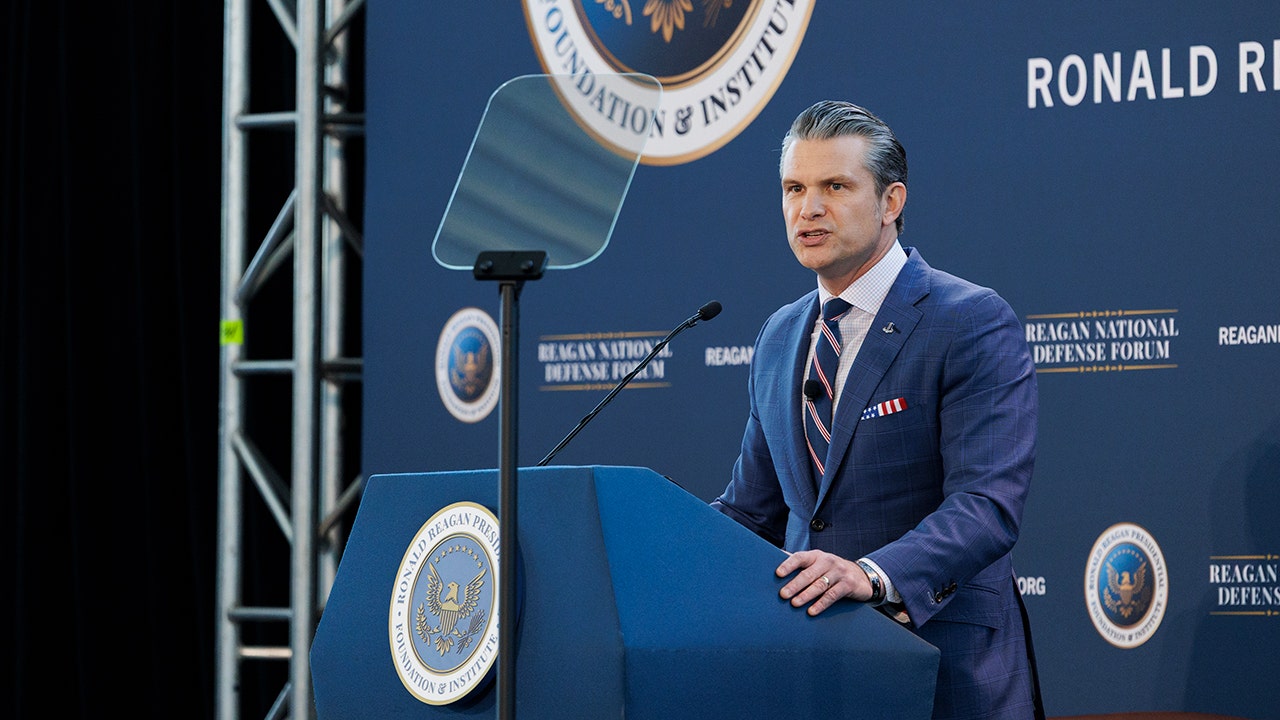

In a recent keynote address at the Reagan National Defense Forum, Secretary of War Pete Hegseth provided significant insights into the Trump administration’s military strategy against drug trafficking in Venezuela. Highlighting the operation conducted on September 2, Hegseth stated he personally authorized the strike against a suspected narco-terrorist vessel while monitoring the event live from the Pentagon. This operation marked the beginning of a series of over 20 planned strikes against cartel-associated networks, illustrating a significant shift in U.S. military engagement in the Caribbean.
| Article Subheadings |
|---|
| 1) Overview of the September 2 Strike |
| 2) Strategic Implications of the Operations |
| 3) Hegseth’s Defense Against Misreporting |
| 4) Future Military Strategies and Defense Spending |
| 5) Summary of Reactions and Moral Perspectives |
Overview of the September 2 Strike
The operation on September 2, which involved the targeting of a suspected drug-smuggling vessel off the coast of Venezuela, was the first authorized military strike by the Trump administration against cartel-linked organizations since President Donald Trump took office. The strike aimed to incapacitate drug-trafficking routes that have been a significant source of illegal narcotics entering the U.S. Hegseth clarified that adequate intelligence was accumulated over a period of several weeks prior to the operation to ensure the mission’s success and to minimize collateral damage. The decision to act stemmed from longstanding discussions surrounding the threat posed by narco-terrorist organizations to U.S. national security, emphasizing the need for proactive engagement.
Strategic Implications of the Operations
Hegseth indicated that the September strike was not an isolated event but rather part of a larger strategy aimed at dismantling drug-trafficking networks in the Caribbean. He stated that U.S. military resources were recalibrated from other global operations to effectively execute the operation. The Pentagon’s reorientation aimed to address a burgeoning threat in the Caribbean, reflecting a shift in strategic focus from regions like the Middle East. Hegseth stressed that securing American interests required a responsive and agile military, which has evolved to meet modern challenges posed by international drug trafficking.
Hegseth’s Defense Against Misreporting
During the Q&A session that followed his address, Hegseth addressed various claims surrounding the operation, particularly concerning accusations that he had authorized a ‘kill all’ order. He emphatically rejected such assertions, stating,
“You don’t walk in and say, ‘Kill them.’ It’s just patently ridiculous.”
This claim underscores the complexities of military decision-making, especially in operations with high stakes. He remarked that the approval process included extensive consultations with intelligence analysts and legal advisors to ensure compliance with military protocols and ethical guidelines.
Future Military Strategies and Defense Spending
Looking ahead, Hegseth expressed concerns about the U.S. defense budget and its ability to meet evolving security demands. He indicated that discussions regarding funding for FY26 and FY27 had already begun and that an increase in defense spending as a percentage of GDP is anticipated. Hegseth underscored the importance of revitalizing the U.S. defense industrial base to maintain military readiness. He noted that developments in technology, such as AI integration, are essential for enhancing operational capabilities. This forward-looking approach suggests a recognition of the rapidly changing nature of warfare and an eagerness to adapt accordingly.
Summary of Reactions and Moral Perspectives
The operation received a mixture of support and criticism within policy-making circles and among the public. Hegseth asserted that these military engagements would have a deterrent effect on drug trafficking, stating,
“We’re putting them at the bottom of the Caribbean… it will make the American people safer.”
This perspective reflects a growing sentiment among some lawmakers who view military action as a necessary tool in combating drugs and related violence. However, the moral implications of military strikes and their long-term effectiveness are subjects of heated debate, indicating that while operational tactics may evolve, underlying ethical discussions continue to resonate deeply in national security dialogues.
| No. | Key Points |
|---|---|
| 1 | Secretary of War Pete Hegseth authorized the first military strike of the Trump administration against drug traffickers in Venezuela. |
| 2 | The operation is part of a broader strategy involving over 20 planned strikes against cartel-connected networks. |
| 3 | Hegseth rejected misreports regarding his orders concerning the strike’s nature. |
| 4 | Concerns over defense spending were raised, with indications of an expected increase in the defense budget. |
| 5 | The operations aim to bolster national security and diminish drug trafficking threats to the U.S. |
Summary
The recent address by Pete Hegseth highlights a pivotal moment for U.S. military strategy concerning narco-terrorism. By authorizing significant military operations in the Caribbean, the Trump administration aims to exert control and deter threats linked to drug trafficking networks. The implications for national security, resource allocation, and military ethics remain topics of discussion as the U.S. navigates its role in combating global drug-related issues.
Frequently Asked Questions
Question: What was the primary objective of the September 2 strike?
The primary objective was to incapacitate a suspected drug-smuggling vessel linked to narco-terrorist organizations and disrupt traffic routes involving illegal narcotics into the U.S.
Question: What strategic changes preceded this military action?
The Pentagon reoriented military resources, shifting focus from operations across the globe to address the specific threats posed by drug trafficking in the Caribbean.
Question: How did Hegseth respond to claims about his orders during the strike?
Hegseth strongly denied any allegations that he issued a ‘kill all’ order, emphasizing a careful and legal approach to military engagement. He stressed that extensive consultations were made before the strike was executed.
