

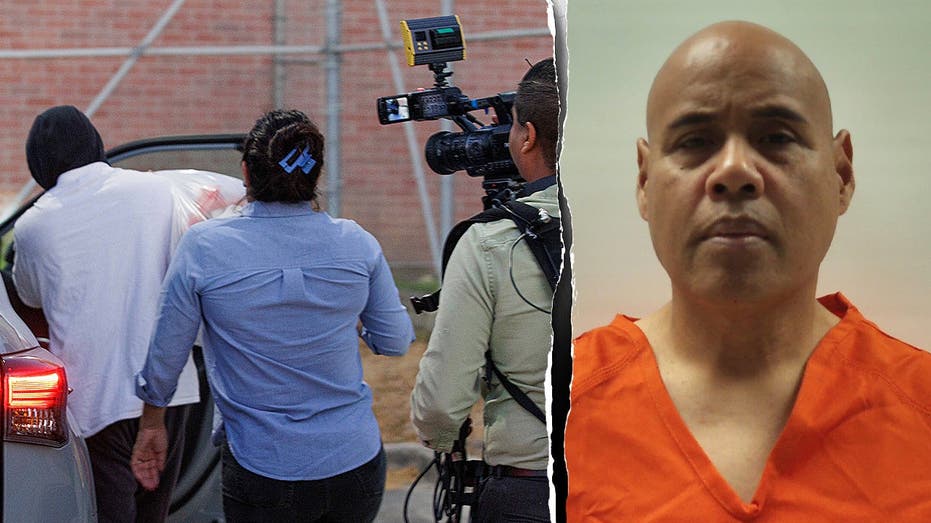

U.S. Immigration and Customs Enforcement officer Christian Castro pleaded not guilty in Texas to six federal charges alleging he made false statements about a January shooting in Minneapolis. Federal prosecutors say video evidence contradicted Castro’s account of a confrontation before he shot a Venezuelan man in the leg. A judge released Castro on a $75,000 unsecured bond and ordered him to wear an ankle monitor. The case is also tied to separate Minnesota charges and a dispute over his extradition.
| 1) | Plea and federal allegations |
| 2) | January shooting and people inside the home |
| 3) | Video evidence and disputed account |
| 4) | Texas release and Minnesota extradition dispute |
| 5) | Broader immigration enforcement context |
Plea and federal allegations
Christian Castro appeared Friday in federal court in Texas and entered a not-guilty plea. The six charges accuse the ICE officer of making materially false statements to investigators after the shooting. Castro turned himself in to authorities Thursday evening, and the judge permitted his release without requiring a cash bond while imposing electronic monitoring.
The federal case focuses on what Castro told investigators about the encounter, rather than directly determining the separate Minnesota allegations. Prosecutors contend that his statements were significant because they were offered to justify his use of a service weapon during an immigration enforcement operation.
January shooting and people inside the home
The incident occurred on Jan. 14 in Minneapolis during a targeted immigration crackdown. Castro and another officer attempted to stop a vehicle whose driver, also a Venezuelan citizen, ran away. Castro pursued the driver on foot, and prosecutors say a physical struggle followed.
Julio Cesar Sosa-Celis, a Venezuelan man, attempted to help the fleeing driver. According to the indictment, both men entered a nearby apartment duplex and closed the door. Castro then drew his service weapon and fired one shot through the front door, striking Sosa-Celis in the leg.
Federal prosecutors said two one-year-old children and two women were inside the home when the shot was fired. The details of the occupants and the location of the shooting are central to the prosecution’s account of how the incident unfolded and why Castro’s statements are being challenged.
Video evidence and disputed account
Investigators later reviewed video that prosecutors say conflicted with Castro’s description of the confrontation. Castro allegedly claimed that several people brutally assaulted him with tools, including a broom and a snow shovel. He also reportedly said he was lying on his back when he fired toward the men as they fled.
Prosecutors dispute those claims. They say the video showed Castro standing when he fired and indicated that the physical struggle lasted about 11 seconds, rather than the roughly three minutes he described. The alleged differences prompted the federal investigation and form the basis of the false-statement charges.
Texas release and Minnesota extradition dispute
Castro faces separate charges in Minnesota and was previously arrested in Texas in May. His latest federal court appearance took place in Texas because authorities there are also handling the dispute over his transfer to Minnesota.
Texas Gov. Greg Abbott has refused to extradite Castro to Minnesota. The governor’s position has produced a legal conflict between the states, while a federal judge in Texas blocked Minnesota’s attempt to secure Castro’s extradition. The case therefore involves both the federal allegations about statements to investigators and an unresolved question about where the Minnesota proceedings will proceed.
Broader immigration enforcement context
The shooting occurred during the Trump administration’s immigration enforcement campaign in Minneapolis, where federal officers were conducting operations aimed at people suspected of being in the country illegally. The incident drew attention because it involved a federal officer, a Venezuelan resident and a shot fired into an occupied residence.
The federal prosecution now centers on the accuracy of Castro’s account and the significance of the video evidence. The Minnesota charges and extradition dispute remain separate parts of the broader legal process. Castro remains entitled to the presumption of innocence unless prosecutors prove the allegations in court.
| Number | Key Point |
|---|---|
| 1 | Castro pleaded not guilty to six federal false-statement charges in Texas. |
| 2 | The January shooting wounded Julio Cesar Sosa-Celis in the leg. |
| 3 | Prosecutors say video contradicted Castro’s description of the struggle and shooting. |
| 4 | A judge released Castro on a $75,000 unsecured bond with electronic monitoring. |
Summary
The federal case against Christian Castro is based on prosecutors’ claim that he misrepresented the events surrounding a Minneapolis shooting. Video evidence allegedly conflicts with his account of being attacked and firing while on the ground. His federal plea, Minnesota charges and the dispute over extradition will determine the next stages of the case.
Frequently Asked Questions
What charges does Christian Castro face?
He faces six federal charges alleging that he made materially false statements to investigators about the January shooting.
Who was injured in the shooting?
Julio Cesar Sosa-Celis, a Venezuelan man, was shot in the leg after entering an apartment duplex during the incident.
Why is extradition disputed?
Castro faces separate Minnesota charges, but Texas Gov. Greg Abbott has refused to extradite him, and a federal judge blocked Minnesota’s extradition effort.
