

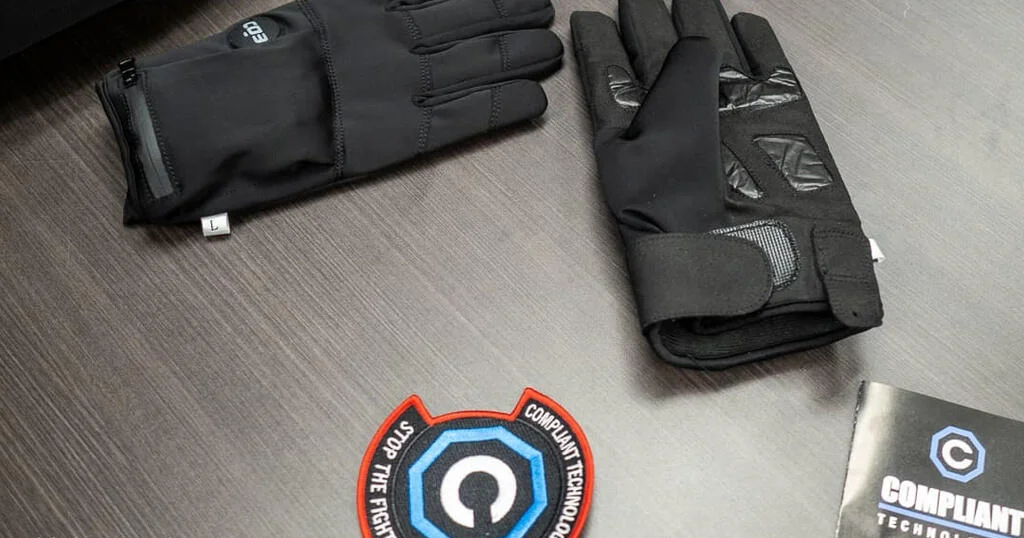

U.S. Immigration and Customs Enforcement (ICE) is proceeding with plans to equip its officers with innovative gloves capable of delivering painful electric shocks as a means of compliance in high-stress situations. These devices, known as G.L.O.V.E. (Generated Low Output Voltage Emitter), are set to cost between $10 million to $20 million and could see deployment as early as March. While proponents argue they are effective tools for de-escalation, civil rights organizations are raising alarms about potential misuse and the implications for civil liberties.
| Article Subheadings |
|---|
| 1) Overview of G.L.O.V.E. Technology |
| 2) Planned Implementation Timeline |
| 3) Responses from Civil Rights Advocates |
| 4) Potential Uses and Criticism |
| 5) Future Implications for ICE Tactics |
Overview of G.L.O.V.E. Technology
The G.L.O.V.E., an innovative device developed by Compliant Technologies LLC, is designed to aid law enforcement personnel in gaining control of volatile situations. According to the manufacturer, the gloves function like regular patrol gloves until a specific switch is activated to deliver a charge designed to momentarily distract and inflict pain. This method is expected to assist officers in achieving compliance from resistant individuals almost instantaneously. The concept is based on the principle that a brief, sharp stimulus can often disrupt aggressive behavior, facilitating safer arrests.
Detailed descriptions by the manufacturer suggest that the device must make direct contact with the skin of the individual to be effective. The development comes amid increasing pressure on law enforcement agencies to equip their officers with non-lethal measures that can still exert control when necessary. However, the main concern remains whether such technologies might inadvertently escalate situations rather than de-escalate them, given the inherent unpredictability of human interactions.
Planned Implementation Timeline
ICE plans to finalize its procurement of the G.L.O.V.E. devices by March, aligning with an intent to enhance the operational capabilities of its agents in the field. The funding stipulated for this initiative ranges from $10 million to $20 million, which indicates a significant financial commitment to integrate these units into standard enforcement practices. Officials noted that a solicitation for a no-bid contract could be announced as early as the upcoming Friday, setting the stage for faster procurement and deployment. This pace aligns with ICE’s mission to effectively manage immigration enforcement as pressures mount from various sources to enhance operational efficiency.
This timeline is critical, as ICE is currently operating under directives aimed at ramping up arrests, with an ambitious target of detaining 2,000 individuals each day. The urgency behind acquiring these gloves underscores the agency’s ongoing review of its tools amidst criticisms surrounding its enforcement tactics and broader implications for the community, particularly vulnerable populations.
Responses from Civil Rights Advocates
The move to introduce electric shock gloves has sparked immediate concern among civil rights advocates, such as the American Civil Liberties Union (ACLU). These organizations have been vocal critics of ICE’s methods and have warned that the usage of such technology represents a troubling escalation in the use of force against civilians. Advocates argue that the introduction of the G.L.O.V.E. adds a new layer of potential risk, particularly as individuals may be subjected to electric shocks without warning.
In statements to the press, representatives from civil rights groups have expressed that this technological advancement could lead to severe consequences, including dubbed “distraction” tactics that might be misused to justify excessive force.
“ICE has shown they are too quick to use force; introducing gloves that facilitate pain just exacerbates the issue,”
asserted a spokesperson from the ACLU. This perspective highlights a fundamental apprehension regarding the accountability and training provided to personnel who will wield such devices, raising pertinent questions about oversight and adherence to existing standards of law enforcement practices.
Potential Uses and Criticism
Proponents of the G.L.O.V.E. technology argue that when utilized properly, these gloves can be effective in situations where officers face immediate danger or resistance. Supporters suggest that the gloves should primarily serve as a non-lethal option for line-of-duty interactions, not as a broad means of contact. The emphasis is placed on specific scenarios like detaining combative individuals, where traditional methods may present higher risks or result in prolonged confrontations.
However, critics remain skeptical. Concerns have been raised about the training and protocols in place to govern the use of this technology. Critics argue that even in specific scenarios, the gloves can create an environment of fear and unpredictability, compromising trust between law enforcement and communities. The manufacturer has indicated that extensive training and certification every two years will be required, and while such measures may ensure some level of accountability, there is still skepticism about their effectiveness in practice.
Future Implications for ICE Tactics
The planned deployment of the G.L.O.V.E. gloves comes amid a broader scrutiny of ICE tactics, particularly given the agency’s recent involvement in controversial incidents, including fatal shootings during arrest attempts. Critics argue that introducing additional non-lethal weapons could lead to increased violence, as they function well as tools for compliance but may embolden officers to escalate situations unnecessarily.
Within this landscape, the emphasis is on the need for clear guidelines and ethical standards regarding the application of such devices. The anticipation of a more widespread use of body cameras by ICE agents is recognized as a step toward greater transparency, yet many remain concerned about the potential normalization of electric shock devices as part of standard enforcement. The impacts of such a shift could reshape community-police dynamics and provoke deeper societal conversations about the future of law enforcement in America.
| No. | Key Points |
|---|---|
| 1 | ICE intends to acquire G.L.O.V.E. gloves for enhanced compliance in high-stress situations. |
| 2 | The agency has committed $10 million to $20 million for developing these technologies by March. |
| 3 | Civil rights advocates fear misuse and call for strict oversight on usage protocols. |
| 4 | Supporters of the technology assert it can foster safer arrest situations when used correctly. |
| 5 | Concerns grow regarding accountability and the ethical implications of using electric shock devices in enforcement. |
Summary
The impending use of G.L.O.V.E. technology by ICE represents a significant shift in how law enforcement may approach compliance tactics. While proponents tout it as an effective means of achieving compliance with minimal physical confrontation, the concerns voiced by civil rights advocates underscore the potential pitfalls of such an approach. As training protocols and oversight measures are put to the test, the broader implications for civil liberties and public safety will need to be carefully examined to ensure that these devices do not exacerbate existing tensions between communities and law enforcement.
Frequently Asked Questions
Question: What is the G.L.O.V.E. technology?
The G.L.O.V.E. technology is a specialized glove developed for law enforcement that can deliver electric shocks to gain compliance from individuals in high-stress situations.
Question: How much is ICE spending on the G.L.O.V.E. gloves?
ICE plans to spend between $10 million and $20 million on the acquisition and deployment of these gloves by March.
Question: What concerns are being raised about the use of G.L.O.V.E. gloves?
Civil rights advocates are worried about potential misuse, lack of accountability, and the ethical implications of introducing electric shock devices into standard law enforcement practices.
